The Smart Choice for Flat Roof Systems: TPO Roofing
Combining Durability, Energy Efficiency, and Cost-Effectiveness
In the world of commercial and industrial roofing solutions, TPO (Thermoplastic Polyolefin) roofing has emerged as a standout choice for flat or low-slope roofs. This innovative roofing system offers a compelling combination of durability, energy efficiency, and cost-effectiveness, making it an attractive option for business owners and property managers seeking a reliable and sustainable roofing solution.
Expert & Professional Engineers
Consistent 5-star project satisfaction⭐⭐⭐⭐⭐
We are Award Winning Company
Always Work With Energetic Team
Durability
Request a Complimentary Quotation Coastal Durability
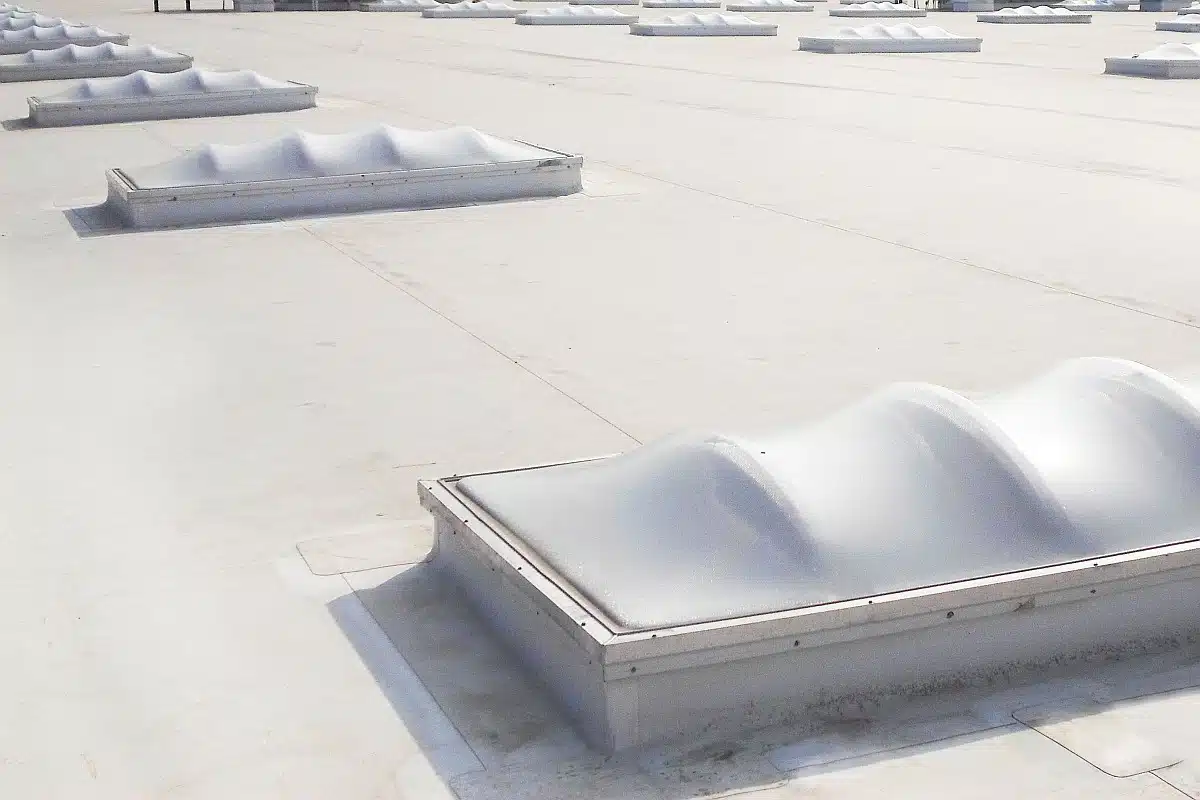
One of the key advantages of TPO roofing is its remarkable durability and resistance to harsh weather conditions. Manufactured from a robust thermoplastic material, TPO membranes are designed to withstand extreme temperatures, ultraviolet radiation, and exposure to chemicals and pollutants. This exceptional resilience translates into a longer lifespan for your roof, reducing the need for frequent replacements and minimizing maintenance costs over time.
Expert & Professional Engineers
Consistent 5-star project satisfaction⭐⭐⭐⭐⭐
We are Award Winning Company
Always Work With Energetic Team
TPO roofing systems
Cost-Effective and Low-Maintenance Solution
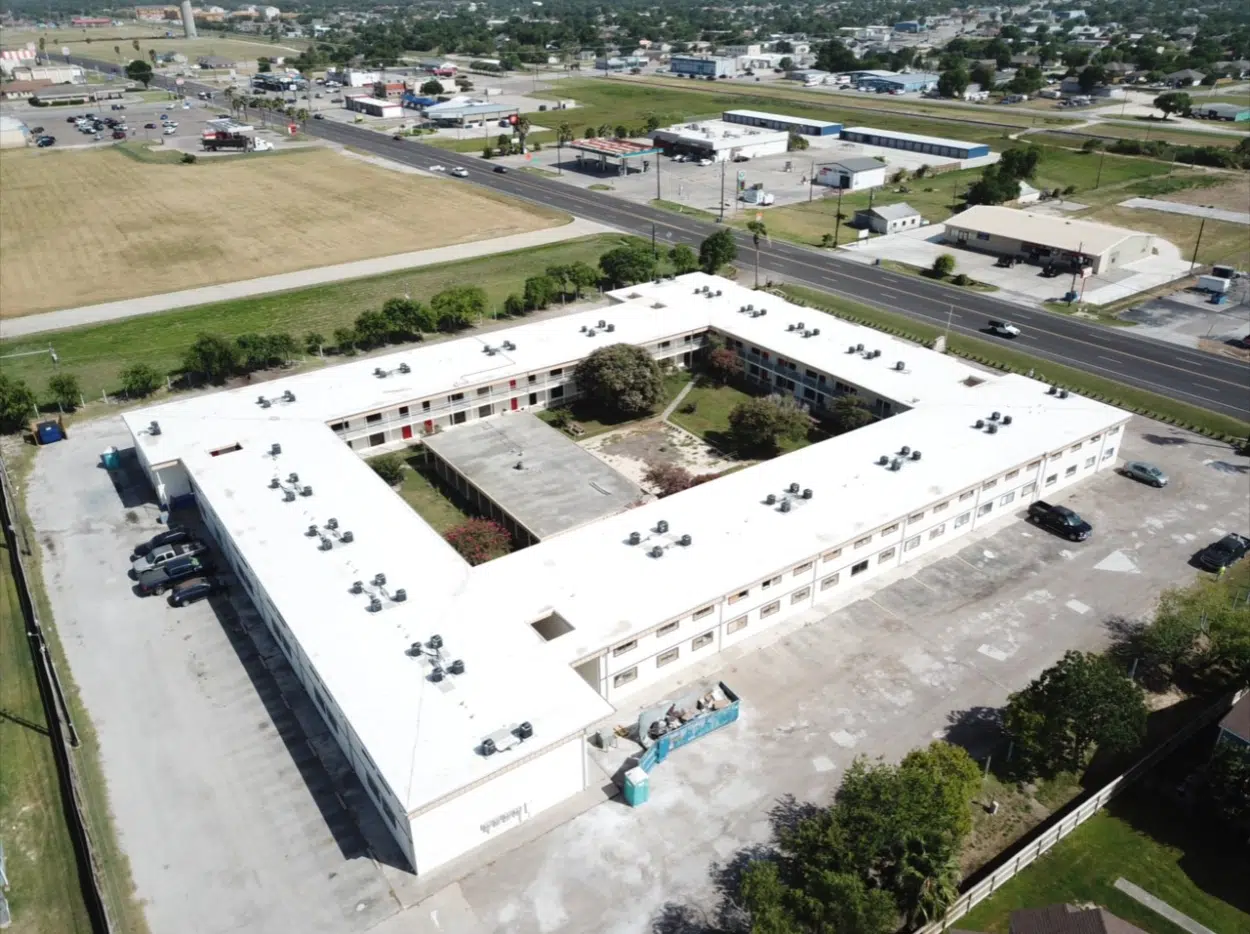
While TPO roofing systems boast exceptional performance and longevity, they also offer a cost-effective solution compared to many other flat roofing options. The relatively simple installation process and the material’s inherent flexibility make TPO roofing a budget-friendly choice, particularly for larger commercial or industrial facilities.
Furthermore, the low-maintenance nature of TPO membranes means fewer disruptions and lower ongoing costs associated with repairs and upkeep.
The highly reflective nature of TPO membranes helps to reduce heat absorption, which in turn lowers cooling costs and energy consumption during the warmer months.
This energy-efficient performance not only translates into lower utility bills but also contributes to a reduced carbon footprint, aligning with today’s growing emphasis on eco-friendly building practices.
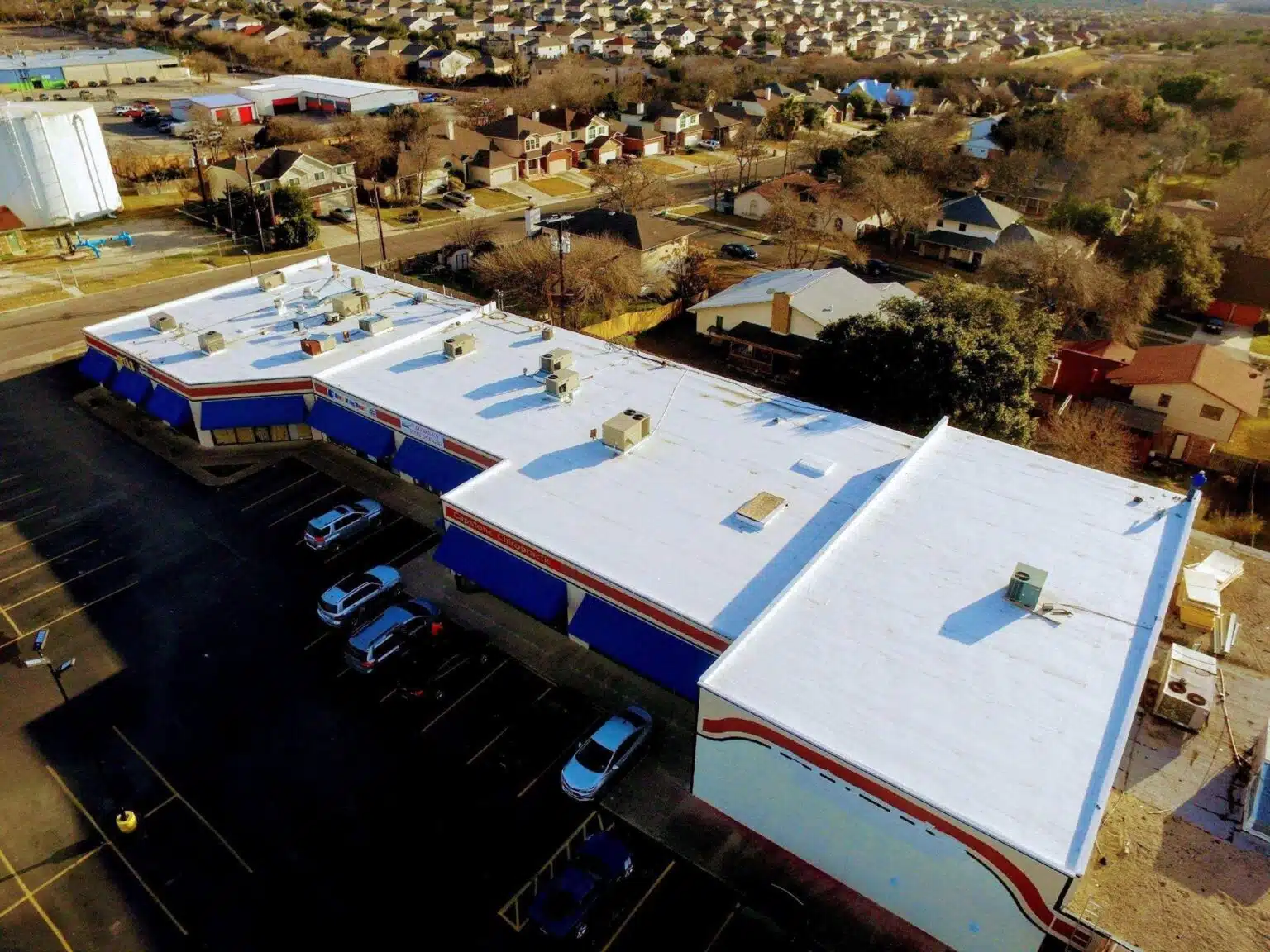
TPO roofing systems are highly versatile, making them suitable for a wide range of commercial and industrial applications. From warehouses and manufacturing facilities to office buildings and retail spaces, TPO roofing can be tailored to meet the specific needs of your property. Additionally, TPO membranes are available in various colors, allowing you to choose a roofing system that complements the overall aesthetics of your building.
TPO roofing systems are highly versatile, making them suitable for a wide range of commercial and industrial applications. From warehouses and manufacturing facilities to office buildings and retail spaces, TPO roofing can be tailored to meet the specific needs of your property. Additionally, TPO membranes are available in various colors, allowing you to choose a roofing system that complements the overall aesthetics of your building.
At Cool Roofs, we understand the unique demands of commercial and industrial roofing projects. Our team of experienced professionals is well-versed in the latest TPO roofing technologies and installation techniques, ensuring a seamless and efficient implementation process. We pride ourselves on delivering high-quality TPO roofing solutions that offer exceptional durability, energy efficiency, and long-term value for your investment.
Cool Roofs provides expert TPO roofing services for commercial and industrial properties. Our team delivers energy-efficient, durable, and cost-effective TPO roof installations, repairs, and maintenance—ensuring long-lasting protection and performance for your building.
TPO (Thermoplastic Polyolefin) roofing is a durable, energy-efficient, and cost-effective roofing system composed of a thermoplastic membrane. It offers advantages such as long lifespan, heat reflectivity, and low maintenance, making it a popular choice for commercial and industrial roofing applications.
How long does a TPO roof last?
The average lifespan of a TPO roof is 15-20 years, though it can last up to 30 years with proper maintenance. TPO roofing systems are known for their durability, resistance to weathering, and long-lasting performance.
Is TPO roofing expensive?
TPO roofing is generally less expensive than many other commercial roofing options, making it a cost-effective choice. The simple installation process and low maintenance requirements contribute to its affordability.
What colors does TPO roofing come in?
TPO roofing membranes are available in a variety of colors, including white, gray, and tan. The reflective nature of the light-colored options can help enhance the energy efficiency of the roofing system.
What is the best TPO roofing material?
TPO (Thermoplastic Polyolefin) roofing is an excellent choice for flat or low-slope roof systems, offering durability, energy efficiency, and cost-effectiveness. TPO membranes are designed to withstand extreme conditions, reduce energy costs, and require minimal maintenance.
How to seal TPO roofing?
Here are some steps to effectively seal TPO roofing:
Clean the surface thoroughly to remove any dirt, debris, or contaminants.
Apply a compatible TPO primer to the area to be sealed.
Use a TPO-specific sealant or caulk to seal any seams, edges, or penetrations.
Ensure the sealant is properly applied and tooled to create a watertight seal.
Allow the sealant to fully cure per the manufacturer's instructions.
Can TPO roofing be repaired?
Yes, TPO roofing can be repaired. TPO membranes can be patched or sealed to address minor damage or leaks, extending the lifespan of the roof system. Repairs are typically straightforward and cost-effective compared to full roof replacement.
TPO roofing how to install?
TPO roofing is installed by adhering the membrane to the roof deck using adhesives or mechanical fasteners. The seams are then heat-welded to create a seamless, watertight surface. Proper substrate preparation and detailing around roof penetrations are crucial for a successful TPO roofing installation.
How to install TPO rubber roofing?
Here are the steps to install TPO rubber roofing:
Clean and prepare the roof surface.
Unroll and position the TPO membrane.
Secure the TPO membrane using adhesive or mechanical fasteners.
Seal the seams and edges with TPO-compatible sealants.
Install any necessary flashing, vents, or accessories.
Inspect the completed roof for proper installation and performance.
When was TPO roofing first used?
TPO (Thermoplastic Polyolefin) roofing was first developed and introduced in the 1980s as a durable, energy-efficient, and cost-effective flat roofing solution for commercial and industrial buildings.
What is TPO rubber roofing?
TPO (Thermoplastic Polyolefin) roofing is a durable, energy-efficient, and cost-effective flat roof system. It offers superior resistance to UV, chemicals, and weathering, making it a popular choice for commercial and industrial buildings.
How long do TPO roofs last?
TPO roofs typically have a lifespan of 20-30 years when properly maintained, making them a durable and long-lasting choice for commercial and industrial flat roofing systems.
What does TPO roofing look like?
TPO roofing membranes are available in various colors, including white, gray, and tan, allowing for customization to complement the aesthetics of commercial or industrial buildings. The smooth, seamless appearance of TPO roofs provides a clean, modern look.
What is roof TPO?
TPO (Thermoplastic Polyolefin) roofing is a durable, energy-efficient, and cost-effective flat roofing solution. It is made from a robust thermoplastic material that can withstand extreme weather, UV radiation, and chemical exposure, offering long-lasting performance.
What are TPO roofings thermal properties?
TPO roofing systems offer excellent thermal properties, with a highly reflective surface that helps reduce heat absorption and lower cooling costs. The material's insulating qualities also contribute to improved energy efficiency.
Does TPO roofing resist hail damage?
Yes, TPO roofing is highly resistant to hail damage due to its flexible thermoplastic membrane that can withstand impact without cracking or tearing. The material's durability makes it a suitable choice for areas prone to hail storms.
Are TPO roofs energy efficient?
TPO roofs offer excellent energy efficiency due to their highly reflective membranes, which help reduce heat absorption and lower cooling costs. This contributes to reduced energy consumption and a smaller carbon footprint.
How does TPO roofing handle wind uplift?
TPO roofing systems are designed to withstand high wind conditions. The heat-welded seams and secure attachment methods help the membrane resist wind uplift, providing a durable and reliable roofing solution for commercial and industrial properties.
Can TPO roofing be recycled?
Yes, TPO roofing membranes can be recycled. TPO is a thermoplastic material, which means it can be melted down and reused in new products, reducing waste and promoting sustainability.
How does TPO compare to PVC roofing?
TPO roofing offers similar durability and energy efficiency as PVC, but is generally more cost-effective. Both are durable thermoplastic membranes suitable for commercial and industrial flat roofs.
What maintenance does TPO roofing require?
TPO roofing requires minimal maintenance, such as periodic inspections for any damage or debris buildup, and prompt repair of any punctures or tears. Regular cleaning helps maintain the roof's reflective properties.
Do TPO membranes come with warranties?
Yes, TPO roofing membranes typically come with manufacturer warranties ranging from 10 to 30 years, providing long-term protection and peace of mind for building owners.
Are TPO roofs UV radiation resistant?
Yes, TPO roofs are highly resistant to ultraviolet (UV) radiation due to the thermoplastic polyolefin material used in their construction. The UV-resistant properties of TPO help extend the lifespan of the roofing system.
How does temperature affect TPO roofing?
TPO roofing is highly resistant to temperature extremes, withstanding both hot and cold conditions without degradation. The thermoplastic material maintains its flexibility and durability across a wide temperature range, ensuring long-lasting performance.
Can TPO be installed over existing roofs?
Yes, TPO roofing systems can often be installed over existing roofs, provided the existing roof is in suitable condition. The flexibility of TPO allows it to be adhered or mechanically fastened over the current roofing material, minimizing the need for complete tear-off and replacement.
What is the reflectivity rate of TPO roofing?
TPO (Thermoplastic Polyolefin) roofing has a highly reflective surface that can reduce heat absorption, with a typical initial reflectivity rate of over 80%.
How are seams sealed on a TPO roof?
Seams on a TPO roof are sealed using a heat-welding process. The TPO membrane edges are overlapped and then hot-air welded together, creating a strong, continuous, and watertight seal.
Does TPO roofing support solar panel installation?
Yes, TPO roofing is compatible with solar panel installation. The reflective and durable nature of TPO membranes makes them an ideal choice for integrating solar systems onto commercial and industrial roofs.
What is the fire rating for TPO roofing?
TPO roofing systems typically have a Class A fire rating, which is the highest rating for fire resistance. This rating indicates that the roofing material has a high degree of fire resistance and can withstand the spread of flames.
How does TPO roofing perform in extreme weather?
TPO roofing systems are designed to withstand extreme temperatures, ultraviolet radiation, and exposure to chemicals and pollutants, making them highly durable and resilient in adverse weather conditions.