
How Long Does a Roof Last in Texas?
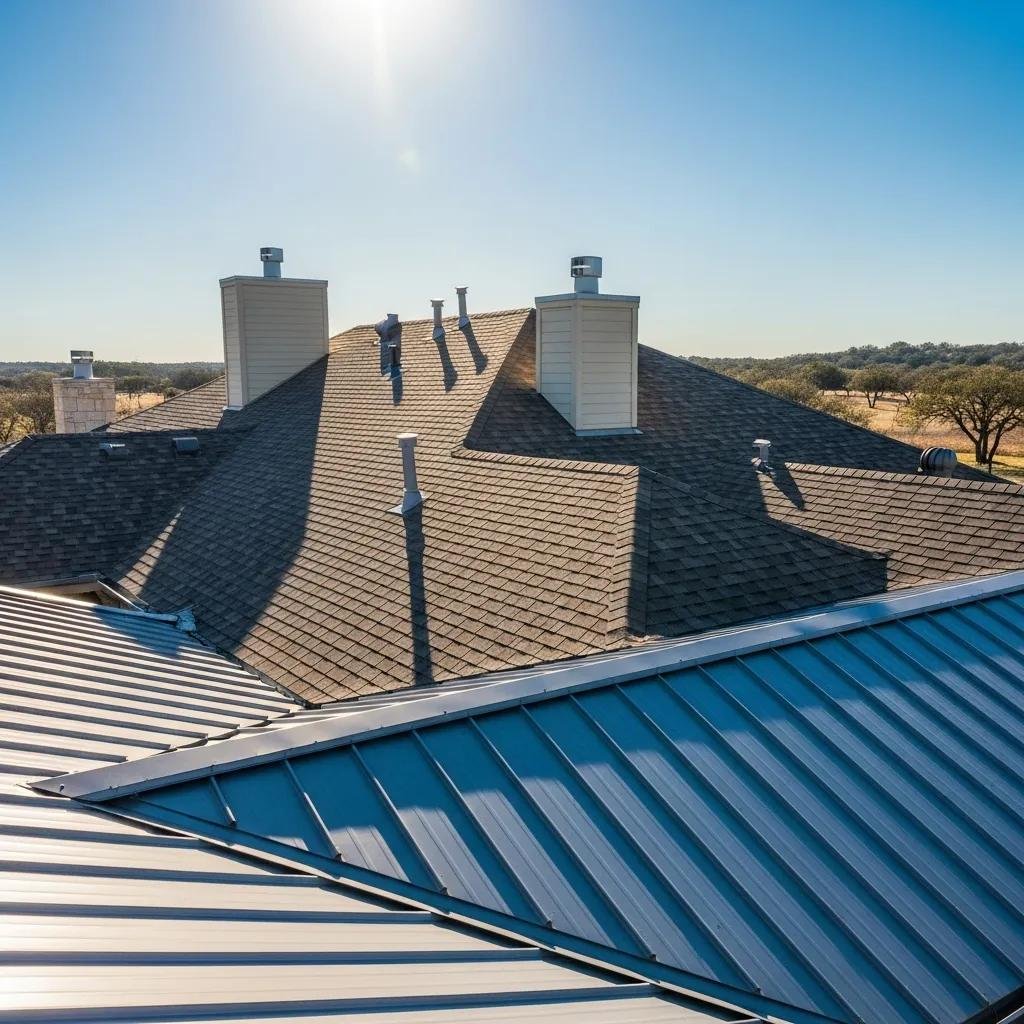
The lifespan of a roof in Texas can vary significantly based on several factors, including the type of roofing material, climate conditions, and maintenance practices. Homeowners often seek to understand how long their roofs will last to make informed decisions about repairs or replacements. In this article, we will explore the various factors that influence roof lifespan in the Texas heat, the impact of the state’s climate on roofing materials, and the typical lifespan of different roofing types, including asphalt shingles. Additionally, we will discuss the benefits of cool roofs, how they can improve energy efficiency, and essential maintenance tips to extend the life of your roof.
What Factors Affect Roof Lifespan in Texas Heat?
How Does Texas Climate Impact Roofing Materials?
What Is the Typical Lifespan of Asphalt Shingle Roofs in Texas?
Innovative approaches are also being explored to further extend the life of asphalt shingles, even those that have already aged.
Extend Asphalt Shingle Lifespan with Soybean Oil Emulsions Here we report the revitalization of aged asphalt roofing shingles by applying semi-epoxidized soybean oil (SESO) as an aqueous emulsion. The results suggest that SESO is effective in penetrating and reacting with asphalt in aged shingles, restoring many key aspects of shingle performance to those of new shingles. This strategy could support the circular economy by extending the service life of asphalt shingles. Restoring Asphalt Shingle Integrity with Soybean Oil-Based Emulsions: A Case Study on Performance, Durability, and Sustainability, B Kuehl, 2025
What Are the Benefits of Cool Roofs for Texas Homes?
|
Benefit
|
Description
|
Impact Level
|
|---|---|---|
|
Energy Efficiency
|
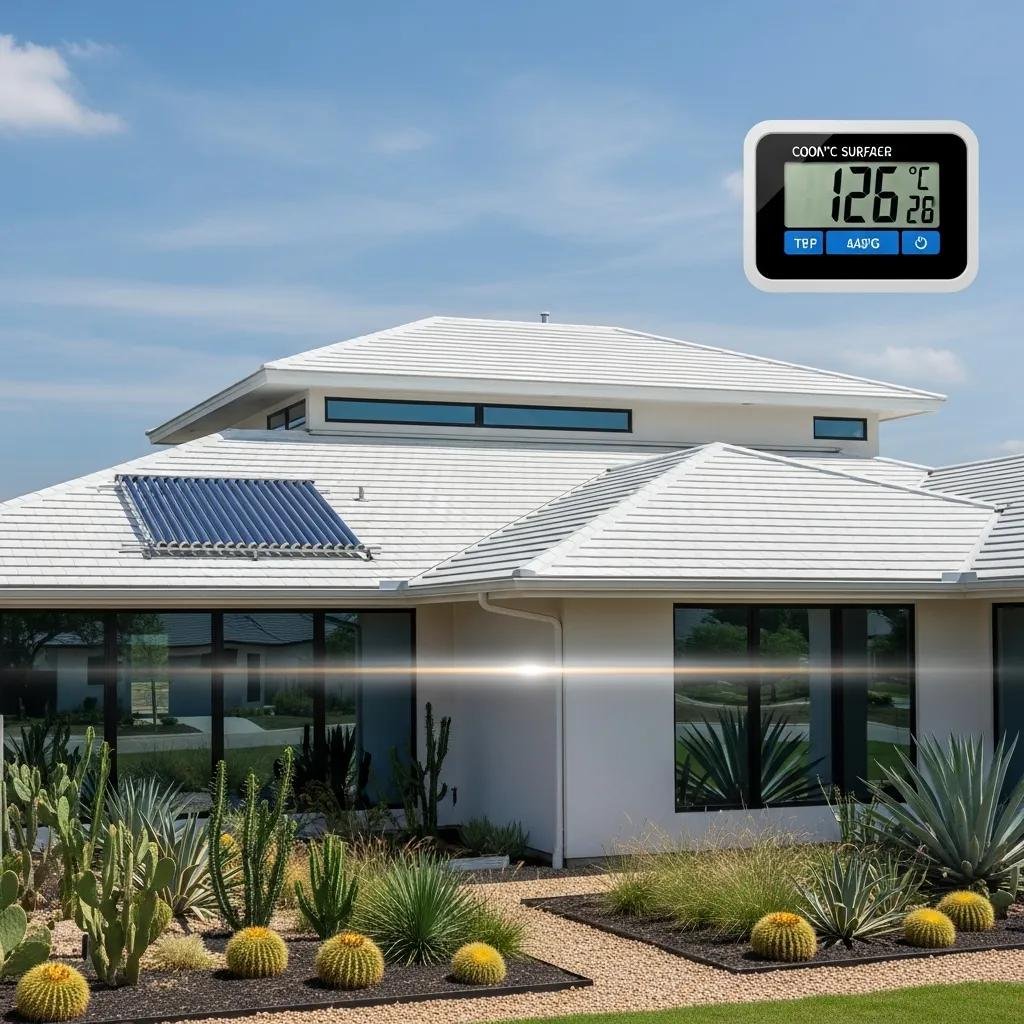
Reduces cooling costs by reflecting sunlight
|
High
|
|
Indoor Comfort
|
Maintains stable indoor temperatures
|
High
|
|
Extended Lifespan
|
Reduces thermal stress on roofing materials
|
Medium
|
For those considering a cool roof installation, Cool Roofs Co. specializes in solutions designed to enhance energy efficiency and extend roof lifespan in hot climates.
How Do Cool Roofs Improve Energy Efficiency in Texas?
Cool roofs improve energy efficiency primarily through their reflective surfaces, which minimize heat absorption. This characteristic allows buildings to stay cooler, reducing the demand for air conditioning. Improved insulation also plays a role, as it helps to minimize energy loss. As a result, homeowners can experience significant energy savings, particularly during the peak summer months when cooling costs can soar.
Can Cool Roofs Extend Roof Lifespan in Hot Climates?
Further research supports the multifaceted benefits of cool roofs, highlighting their potential for energy savings, enhanced durability, and reduced maintenance in challenging climates.
Cool Roofs: Energy Savings, Durability & Maintenance in Hot Climates While cool roofs provide substantial energy savings in hot climates, further research is needed to validate modeling approaches against real-world studies, investigate the impact of cool roofs on building durability and maintenance, and explore their long-term performance under various environmental conditions. State-of-the-art review: effects of using cool building cladding materials on roofs, C Aggarwal, 2024
How Should Roofs Be Maintained to Last Longer in Texas?
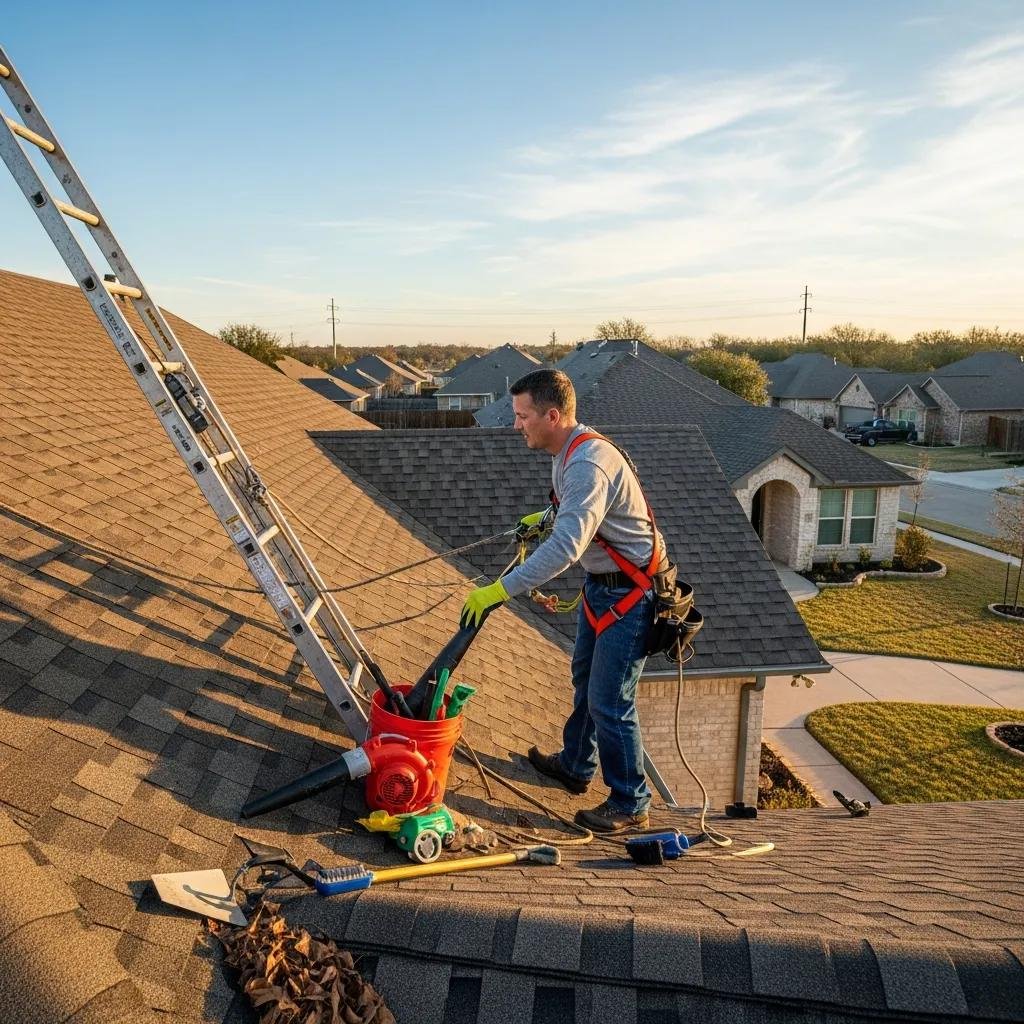
Proper maintenance is crucial for extending the lifespan of roofs in Texas. Homeowners should adopt several best practices to ensure their roofs remain in good condition:
-
Regular Inspections: Conduct inspections at least twice a year to identify potential issues early.
-
Gutter Maintenance: Keep gutters clean to prevent water damage.
-
Prompt Repairs: Address any damage immediately to avoid larger problems down the line.
By following these maintenance tips, homeowners can significantly enhance the durability and performance of their roofs.
-
Inspect Roofs Biannually: Regular inspections help catch issues before they escalate.
-
Clean Gutters Regularly: Prevent clogs that can lead to water damage.
-
Trim Overhanging Branches: Reduce the risk of damage from falling branches during storms.
How Often Should Roof Inspections Be Conducted in Texas?
Homeowners in Texas should conduct roof inspections at least twice a year. Additionally, it is crucial to perform inspections after severe weather events, such as storms or hail. Regular inspections can help identify and address issues early, preventing costly repairs and extending the roof‘s lifespan.
What Are the Cost and Energy Savings of Energy Efficient Roofing in Texas?
Roof Lifespan & Energy Savings in Hot Climates A conventional concrete roof (R–C) was considered as a reference. In Mexico have a 30-year ordinary service life, the use of these materials can be a good option to reduce the energy consumption in buildings. Thermal performance analysis of a roof with a PCM-layer under Mexican weather conditions, A Rodriguez-Ake, 2020
Where Can You Request a Free Quote for Cool Roof Installation in Texas?
-
RCAT Licensed
-
Premier Contractors with CertainTeed
-
National Roofing Contractors Association Members
-
Master Commercial Roofing Contractors with GAF
-
ShingleMaster Premier Credentialed with CertainTeed
-
Fortified Roofing Credentialed