
The Future of Roofing: AI Roof Inspections & Drone Mapping in 2026
The roofing industry is evolving rapidly as new technologies transform how roofs are inspected, maintained, and repaired. In 2026, AI roof inspectionsand drone mapping for roofing are redefining traditional roofing practices by making inspections faster, safer, and more accurate. These technologies are not only improving efficiency for contractors but also providing property owners with clearer insights into the health of their roofs.
As the future of roofing technology unfolds, companies like Cool Roofs are adopting innovative solutions to deliver better roofing assessments and long-term protection for residential and commercial buildings.
The Evolution of Roof Inspection Technology
Traditionally, roof inspections required professionals to physically climb onto a roof using ladders and safety gear. While this approach worked for decades, it also carried significant risks and limitations. Inspectors could miss hidden damage, and the process often required hours to complete, especially on large or complex roofs.
Today, technological innovation is transforming this process. Modern roofing companies now rely on drones equipped with high-resolution cameras and AI-powered analysis tools to inspect roofs from above. These technologies can capture detailed imagery and analyze roof conditions within minutes, delivering accurate results without the need for manual climbing.
This shift marks a significant step toward smarter and more efficient roofing practices.
What Are AI Roof Inspections?
AI roof inspectionsinvolve the use of artificial intelligence to analyze images and data collected from drones or other aerial devices. Instead of relying solely on human observation, advanced software examines roof imagery to detect damage, structural issues, and early signs of deterioration.
AI-powered systems can identify problems such as:
- Missing or damaged shingles
- Cracked flashing
- Hail or storm damage
- Water pooling or leaks
- Structural wear over time
Because AI analyzes thousands of data points in seconds, it can detect subtle problems that might otherwise go unnoticed during manual inspections. This level of precision helps contractors create accurate reports and recommend the right repairs.
Drone Mapping for Roofing: A Game Changer
Another major innovation shaping the future of roofing technology is drone mapping for roofing. Drones are now widely used in the roofing industry because they can fly over buildings and capture detailed aerial imagery of the entire roof surface.
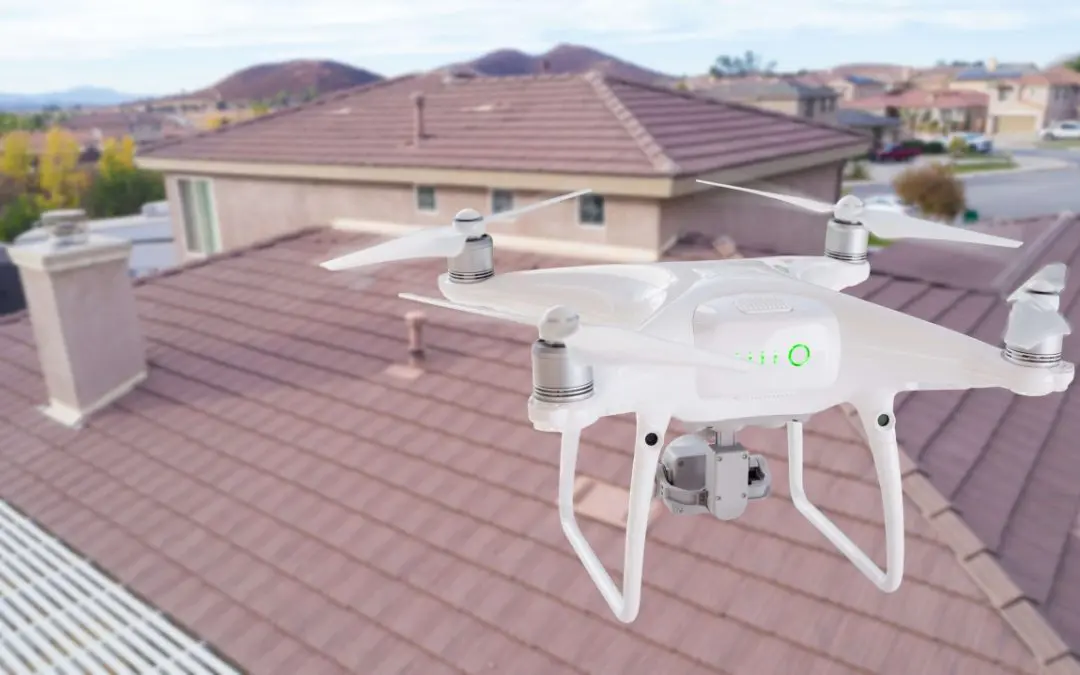
These drones are equipped with advanced cameras, sensors, and thermal imaging tools that allow contractors to analyze roofs more thoroughly than ever before.
Key capabilities of drone roof inspections include:
1. High-Resolution Imaging
Modern drones capture high-definition images and videos of the roof surface. These images reveal small cracks, loose shingles, or other structural issues that may not be visible from the ground.
2. Thermal Imaging
Thermal cameras detect temperature differences across a roof, helping inspectors identify moisture trapped beneath roofing materials or insulation issues before visible leaks appear.
3. 3D Roof Modeling
Drone mapping can generate 3D models of roofs, allowing contractors to measure slopes, dimensions, and structural components with precision. These models help plan repairs, replacements, or installations such as solar panels.
Benefits of AI Roof Inspections and Drone Technology
The combination of artificial intelligence and drone technology is delivering significant advantages for homeowners, businesses, and roofing professionals.
1. Improved Safety
One of the biggest benefits is safety. Inspectors no longer need to climb steep roofs or unstable structures. Drones allow inspections to be conducted from the ground, reducing the risk of accidents or injuries.
2. Faster Inspections
Traditional roof inspections can take several hours, but drone inspections can often be completed in less than an hour. This speed is especially valuable after storms when many properties require immediate assessments.
3. Greater Accuracy
AI-powered analysis ensures precise detection of roof damage, including hairline cracks, moisture intrusion, and structural weaknesses that might be overlooked by manual inspections.
4. Cost Efficiency
Because drone inspections require fewer workers and less equipment, they can reduce operational costs while still delivering highly detailed inspection reports.
5. Detailed Documentation
Drone technology captures timestamped photos and videos, creating a digital record of the roof’s condition. This documentation can be useful for insurance claims, maintenance planning, and property management.
How AI and Drone Technology Help Homeowners
For homeowners, the integration of AI and drone technology means faster, clearer, and more reliable roofing assessments.
Instead of waiting days for inspection reports, property owners can receive detailed digital reports that highlight problem areas and recommended solutions. This transparency helps homeowners understand the condition of their roof and make informed decisions about repairs or replacements.
Additionally, early detection of damage can prevent costly repairs in the future. Small issues such as cracked shingles or minor leaks can be addressed before they escalate into major structural problems.
The Role of Data and Predictive Maintenance
One of the most exciting aspects of AI roof inspections is the ability to use data for predictive maintenance. By analyzing inspection data over time, AI systems can predict when certain roofing components are likely to fail.
This predictive approach allows roofing companies to schedule maintenance before damage occurs, extending the lifespan of roofing systems and reducing long-term repair costs.
For property managers and commercial building owners, predictive maintenance can be especially valuable, as it helps protect large investments and minimize unexpected downtime.
Why Roofing Companies Are Adopting AI and Drone Inspections
Roofing contractors across the world are embracing these technologies because they improve both service quality and operational efficiency.
Companies like Cool Roofs are integrating modern inspection tools into their roofing services to deliver more accurate assessments and faster response times. By using drones and AI-powered analysis, roofing professionals can identify issues quickly and recommend the best solutions for homeowners and businesses.
This technology-driven approach also helps roofing companies handle larger inspection volumes, especially after severe weather events when many roofs require evaluation.
The Future of Roofing Technology
Looking ahead, the future of roofing technology will continue to evolve with even more advanced tools and innovations.
Some trends expected in the coming years include:
- Fully autonomous inspection drones
- Real-time AI damage detection
- Integration with smart building systems
- Advanced thermal and LiDAR roof scanning
- Digital twin models for building maintenance
These innovations will allow roofing professionals to monitor roof conditions continuously and respond to issues before they become major problems.
Conclusion
The roofing industry is entering a new era driven by technology. AI roof inspections and drone mapping for roofing are transforming how roofs are inspected, maintained, and repaired. These innovations provide safer inspections, faster results, and more accurate data for both contractors and property owners.
As the future of roofing technology continues to advance, roofing companies that embrace these tools will be able to deliver better service and more reliable solutions. Forward-thinking companies like Cool Roofsare already leveraging these technologies to provide modern roofing inspections and long-term protection for homes and businesses.
By combining artificial intelligence, drone technology, and expert craftsmanship, the roofing industry is building smarter, safer, and more efficient solutions for the years ahead.
FAQs
1. What are AI roof inspections and how do they work?
AI roof inspections use artificial intelligence to analyze images captured by drones or cameras. The system detects roof damage such as cracks, leaks, or missing shingles quickly and accurately, helping roofing professionals identify issues without manual inspection.
2. How does drone mapping for roofing improve inspections?
Drone mapping for roofing captures high-resolution aerial images and creates detailed roof maps. This technology allows roofing experts to examine the entire roof safely, measure roof dimensions, and detect damage that may not be visible from the ground.
3. Are AI roof inspections more accurate than traditional inspections?
Yes, AI roof inspections can be more accurate because advanced software analyzes thousands of data points in roof images. This helps identify small issues like minor cracks or early leaks that traditional inspections may overlook.
4. Is drone roof inspection safe for residential and commercial properties?
Drone roof inspections are considered very safe because inspectors do not need to climb onto the roof. The drone captures images from the air, reducing risks while providing detailed visual data for roofing analysis.
5. What are the benefits of using drone technology in roofing?
Drone technology in roofing offers several advantages, including faster inspections, improved safety, precise roof measurements, and detailed digital reports that help homeowners and businesses understand roof conditions.
6. How is the future of roofing technology evolving?
The future of roofing technology is focused on AI-powered inspections, drone mapping, predictive maintenance, and digital roof modeling. These innovations help roofing companies, including brands like Cool Roofs, deliver faster, smarter, and more reliable roofing solutions.