
Homeowners insurance is a crucial safety net for property owners, especially in Texas, where severe weather can lead to significant roof damage. Understanding the nuances of what this insurance covers can save homeowners from unexpected expenses. This article delves into the specifics of homeowners insurance in Texas, particularly regarding roof damage. Readers will learn about the types of damage typically covered, the claims process, and how factors like deductibles and policy limits can affect coverage. Additionally, we will explore the benefits of energy-efficient cool roofing solutions and how they can influence insurance premiums and claims outcomes.
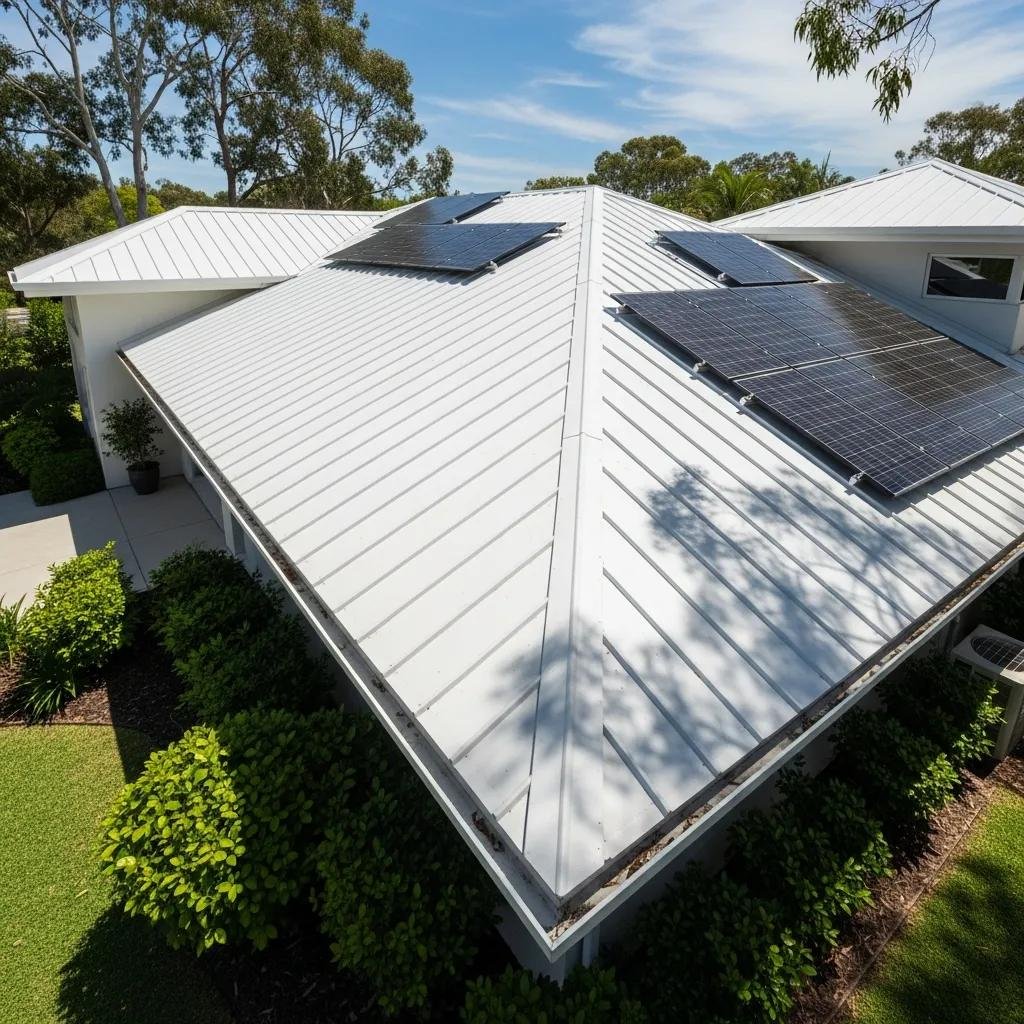
Given Texas’s vulnerability to severe weather, researchers have developed models to predict and assess financial losses from events like hurricanes, aiding both homeowners and insurance companies.
Texas Hurricane Damage & Insurance Claim Prediction Following growing public awareness of the danger from hurricanes and tremendous demands for analysis of loss, many researchers have conducted studies to develop hurricane damage analysis methods. This paper has utilized the Geographic Information System to facilitate collecting and managing data, and has combined vulnerability factors to assess the financial losses suffered by Texas coastal counties. In addition, insurance companies could utilize the model to predict hurricane damage. Estimating the Texas Windstorm Insurance Association claim payout of commercial buildings from Hurricane Ike, JM Kim, 2016
Weather-related damages are a significant concern for Texas homeowners. Most policies cover damage from hail and wind, which are common in the region. However, some insurance providers may require separate policies or endorsements for specific types of weather-related damage, such as flooding or tornadoes. Homeowners should consult with their insurance agents to ensure they have adequate coverage for these potential risks.
Understanding the specifics of hail damage is crucial, as studies have evaluated its impact on property insurance claims and coverage limits.
Hail Damage Roof Claims & Coverage Limits Average roof claim severity normalized by Coverage A limits by roof cover type. Locations of all policies with roof claims (red) and without roof claims (green) within the 20 ZIP codes Evaluating hail damage using property insurance claims data, 2015
How Does the Texas Roof Insurance Claim Process Work?
Filing a roof insurance claim in Texas involves several key steps. Homeowners should contact their insurance provider promptly after discovering damage. It is essential to document the damage thoroughly, including taking photographs and keeping records of any repairs. Following up on the claim status is also crucial to ensure timely processing. Understanding this process can help homeowners navigate their claims more effectively.
-
Assess and Document Damage: Take clear photographs and notes of the damage.
-
Review Your Insurance Policy: Understand your coverage limits and exclusions.
-
File Your Claim: Contact your insurance provider to initiate the claim process within the required timeframe, typically 60 days.
What Is the Difference Between Actual Cash Value and Replacement Cost Value in Texas Roof Insurance?
How Does Actual Cash Value Impact Roof Damage Claims?
When a roof damage claim is settled based on Actual Cash Value, homeowners may face higher out-of-pocket costs due to depreciation. This means that the payout may not cover the full cost of repairs or replacement, leaving homeowners to cover the difference. Understanding how ACV works is crucial for policyholders to make informed decisions about their insurance coverage and potential claims.
What Are the Benefits of Replacement Cost Value for Roof Repairs or Replacement?
Replacement Cost Value (RCV) offers several advantages for homeowners needing roof repairs or replacement. Key benefits include:
-
Comprehensive Estimates: RCV provides a more accurate estimate for repairs, ensuring homeowners can fully restore their roofs.
-
Flexible Financing Options: Homeowners may find it easier to finance repairs when they know they will receive full replacement costs.
-
Quality Assurance and Warranties: RCV often allows for higher-quality materials and workmanship, leading to longer-lasting repairs.
What Are the Insurance Benefits of Energy-Efficient Cool Roofing?
-
Potential Discounts on Premiums: Insurers may offer lower premiums for homes with energy-efficient roofing systems.
-
Longer Lifespan: Cool roofs tend to have a longer lifespan, reducing the frequency of claims.
-
Environmental Benefits: By reducing energy consumption, cool roofs contribute to a more sustainable environment.
How Does Installing a Cool Roof Affect Insurance Premiums and Claim Outcomes?
Our Credentials
-
RCAT Licensed
-
Premier Contractors with CertainTeed
-
National Roofing Contractors Association Members
-
Master Commercial Roofing Contractors with GAF
-
ShingleMaster Premier Credentialed with CertainTeed
-
Fortified Roofing Credentialed