
What Does Hail Damage Look Like on a Roof?
Hail damage can significantly impact the integrity of a roof, making it crucial for homeowners to recognize its signs early. Understanding what hail damage looks like on a roof can help prevent costly repairs and ensure the safety of your home. This article will explore the various indicators of hail damage, the differences in damage across roofing materials, and the steps to conduct a thorough roof inspection. Additionally, we will discuss how hail damage affects repair needs and costs, as well as the process for filing insurance claims. By the end of this guide, you will be equipped with the knowledge to identify hail damage and take appropriate action.
How Can You Identify Common Signs of Hail Damage on Roof Shingles?
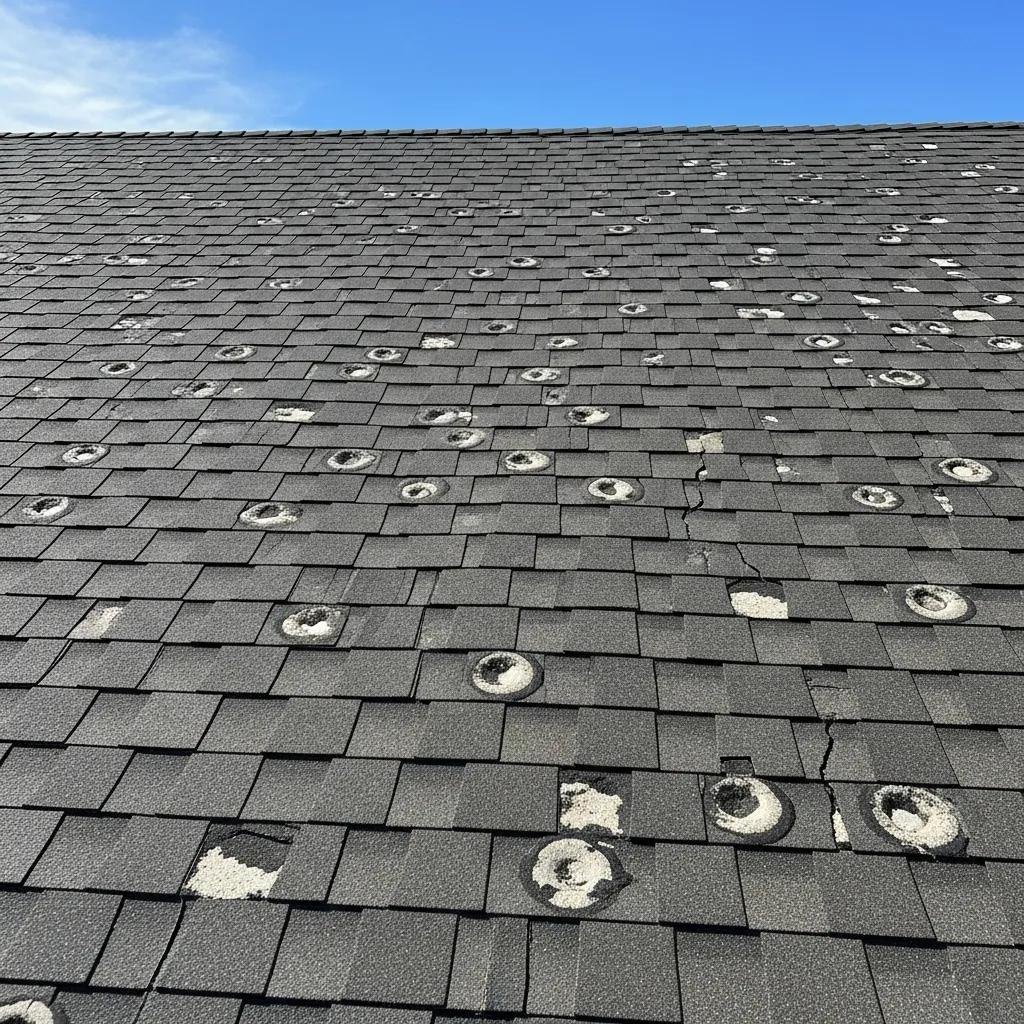
Identifying hail damage on roof shingles involves recognizing specific signs that indicate impact. Homeowners should look for the following common indicators:
-
Dents or Dimples: Hail can create small dents or dimples on the surface of shingles, which may be visible from the ground.
-
Bruising or Missing Granules: The protective granules on shingles may be dislodged, leading to bare spots that expose the underlying material.
-
Cracked or Broken Shingles: Hail can cause shingles to crack or break, compromising their ability to protect the roof.
These signs are essential for determining the extent of hail damage and the need for further inspection.
What Are Visible Indicators of Hail Impact on Asphalt Shingles?
Visible indicators of hail impact on asphalt shingles can help homeowners assess the damage. Key signs include:
-
Dents on Shingles: Look for small, round indentations that indicate where hail has struck.
-
Dark Spots Indicating Granule Loss: Areas where granules are missing may appear darker than the surrounding shingles.
-
Cracked Shingles: Hail can cause visible cracks, which may lead to leaks if not addressed promptly.
Recognizing these indicators is crucial for timely repairs and maintaining the roof‘s integrity.
How Does Hail Damage Differ Across Various Roofing Materials?
Hail damage can vary significantly depending on the roofing material used. Different materials exhibit different levels of resistance to hail impacts. For instance, asphalt shingles are more susceptible to damage compared to metal roofs, which often have higher impact resistance.
-
Asphalt Shingles: These are prone to dents, granule loss, and cracking.
-
Metal Roofs: Typically, they can withstand hail impacts better, often resulting in minor dents without significant damage.
-
Slate Tiles: While durable, slate can crack under severe hail conditions, leading to costly repairs.
Understanding these differences can guide homeowners in selecting roofing materials that offer better protection against hail damage.
Cool Roofs Co. specializes in sustainable cool roofing solutions, focusing on energy efficiency and hail damage roof repair services. Choosing durable materials can significantly reduce the risk of hail damage and enhance the longevity of your roof.
What Is the Step-by-Step Process for Conducting a Hail Damage Roof Inspection in Texas?
Conducting a hail damage roof inspection involves several critical steps to ensure a thorough assessment. Here’s a step-by-step guide:
-
Safety Precautions: Always prioritize safety by using proper gear and ensuring stability when accessing the roof.
-
Visual Inspection: Begin with a visual inspection from the ground, looking for obvious signs of damage.
-
Detailed Examination: If safe, climb onto the roof to inspect shingles closely for dents, cracks, and granule loss.
-
Professional Assessment Recommendation: If significant damage is suspected, consider hiring a professional for a comprehensive evaluation.
Following these steps can help identify hail damage effectively and determine the necessary repairs.
Which Tools and Techniques Are Used During a Professional Roof Inspection?

Professional roof inspections utilize various tools and techniques to assess hail damage accurately. Common tools include:
-
Moisture Detection Devices: These help identify hidden leaks that may not be visible during a visual inspection.
-
Infrared Cameras: Used to detect temperature variations that indicate moisture intrusion.
-
Digital Documentation Systems: Professionals often use these systems to document findings and provide detailed reports.
These tools enhance the accuracy of inspections and ensure that all potential damage is identified.
How to Use a Hail Damage Roof Inspection Checklist Effectively?
Using a hail damage roof inspection checklist can streamline the inspection process. Here are some best practices:
-
Safety Gear: Always wear appropriate safety gear, including helmets and harnesses.
-
Preliminary Inspection: Start with a ground-level inspection to identify any visible damage.
-
Documenting Findings: Use the checklist to document all observations, including photos and notes on specific areas of concern.
An effective checklist ensures that no detail is overlooked during the inspection process.
How Does Hail Damage Affect Roof Repair Needs and Replacement Costs?
Hail damage can significantly influence both repair needs and costs. The extent of the damage determines whether repairs or a full replacement is necessary.
-
Average Repair Costs: Minor repairs may range from a few hundred to several thousand dollars, depending on the damage.
-
Factors Influencing Costs: The type of roofing material, the extent of the damage, and labor costs all play a role in determining the final price.
-
Importance of Prompt Repairs: Addressing hail damage quickly can prevent further deterioration and higher repair costs.
Understanding these factors can help homeowners make informed decisions regarding their roof maintenance.
|
Roofing Material
|
Average Repair Cost
|
Impact Resistance
|
|---|---|---|
|
Asphalt Shingles
|
$1,000 – $3,000
|
Low
|
|
Metal Roofs
|
$500 – $1,500
|
High
|
|
Slate Tiles
|
$2,000 – $5,000
|
Medium
|
This table illustrates the average repair costs associated with different roofing materials and their respective impact resistance levels.
What Factors Influence the Cost of Hail Damage Roof Repair?
Several factors can influence the cost of hail damage roof repair, including:
-
Type of Roofing Material: Different materials have varying repair costs associated with them.
-
Extent of Damage: More extensive damage typically results in higher repair costs.
-
Labor Costs: The cost of labor can vary based on location and the complexity of the repairs.
Understanding these factors can help homeowners budget effectively for repairs.
When Is Roof Replacement Necessary After Hail Damage?
Determining when roof replacement is necessary after hail damage involves assessing the extent of the damage. Key signs indicating replacement may be necessary include:
-
Extensive Damage: If a large portion of the roof is damaged, replacement may be more cost-effective than repairs.
-
Visible Leaks: Leaks that persist despite repairs indicate that the roof‘s integrity is compromised.
-
Granule Loss: Significant granule loss can expose the underlying material, necessitating replacement.
Recognizing these signs can help homeowners make timely decisions regarding their roofing needs.
What Should Homeowners Know About Filing Insurance Claims for Hail Damage Roof Repair?
Filing insurance claims for hail damage roof repair requires careful attention to detail. Homeowners should be aware of the following:
-
Documentation Requirements: Collect all necessary documentation, including photos of the damage and repair estimates.
-
Timely Filing: Ensure that claims are filed promptly to avoid complications.
-
Understanding Insurance Adjuster Inspections: Be prepared for an insurance adjuster to assess the damage and provide their report.
Being informed about the claims process can help homeowners navigate it more effectively.
How to Document and Report Hail Damage for Insurance Purposes?
Documenting and reporting hail damage for insurance purposes involves several key steps:
-
Taking Photos and Videos: Capture clear images of the damage from multiple angles.
-
Filing Claims Promptly: Submit claims as soon as possible to expedite the process.
-
Obtaining Repair Estimates: Gather estimates from reputable contractors to support your claim.
Proper documentation is essential for a successful insurance claim.
What Are Common Challenges in Hail Damage Insurance Claims and How to Overcome Them?
Homeowners may face several challenges when filing insurance claims for hail damage. Common issues include:
-
Understanding Coverage: Many homeowners are unaware of what their policy covers regarding hail damage.
-
Timely Filing: Delays in filing claims can lead to denials or complications.
-
Claim Denials: Some claims may be denied due to insufficient documentation or policy limitations.
To overcome these challenges, homeowners should familiarize themselves with their insurance policies and maintain thorough documentation throughout the claims process.
If you’re in Austin, San Antonio, or Texas, and suspect hail damage, it’s essential to get a professional inspection. Cool Roofs Co. in Austin can provide a thorough assessment and help with any necessary repairs.
For homeowners looking to protect their roofs from future hail damage, exploring different roofing options is crucial. Cool Roofs Co. offers a variety of durable roofing materials designed to withstand harsh weather conditions. Get your free quote today to learn more about how we can help safeguard your home.
To learn more about our services and how we can assist you with your roofing needs, visit Cool Roofs Co.
Our Credentials
Cool Roofs Co. is proud to hold the following industry credentials, reflecting our commitment to quality and professionalism:
-
RCAT Licensed
-
Premier Contractors with CertainTeed
-
National Roofing Contractors Association Members
-
Master Commercial Roofing Contractors with GAF
-
ShingleMaster Premier Credentialed with CertainTeed
-
Fortified Roofing Credentialed