
Leveraging Custom Weather Reports for Roof Damage Claims
By Cool Roofs Inc. Editorial Team · Updated 2026-07-10
Custom weather history reports for roof damage assessment deliver property-specific hail size, wind speed. Storm dates covering a full three-year period. Backed by NOAA-verified data, these reports give roofing contractors. Property owners documented, objective evidence to validate insurance claims and build defensible damage estimates with confidence.
Why Data-Backed Reports Strengthen Storm Damage Claims
- Custom weather reports provide property-specific storm data, helping roofers validate damage claims with objective evidence.
- Cool Roofs Inc. has installed over 6 million square feet of roofing protection across Texas, Tennessee, and New Jersey.
- Extreme Weather Reports give roofing professionals instant access to documented wind and hail event histories per address.
- Cool Roofs Inc. holds a 5.0-star rating from over 1,000 verified reviews, backed by full licensing and insurance.
What Do You Need Before Starting?
Before filing a storm damage claim or scheduling repairs, homeowners need two core resources: a custom weather report documenting past storm activity at the property address. A professional roof inspection confirming physical damage. Skipping either resource leaves claims unsupported and risks denial by the insurance carrier.
What does a storm impact report include?
A storm impact report — also called a weather history report. Covers three years of hail and wind activity tied to a specific address. Documented details include hail size, wind speed, and the exact dates storms occurred. Without this data, homeowners rely on undocumented assertions that adjusters routinely reject.
Why does roof damage weather history matter for a claim?
Roof damage weather records provide a data-backed, documented timeline that connects a specific storm event to a specific property. This objective evidence replaces guesswork and strengthens the homeowner’s position during the claims process. Cool Roofs Inc. provides free roof inspections, giving property owners a professional assessment that pairs directly with the weather record.
Prerequisites checklist before starting:
- Property address confirmed and accessible
- A custom weather report pulled for that address
- Free roof inspection scheduled with a licensed contractor such as Cool Roofs Inc.
How Do You Obtain and Read a Storm Report?
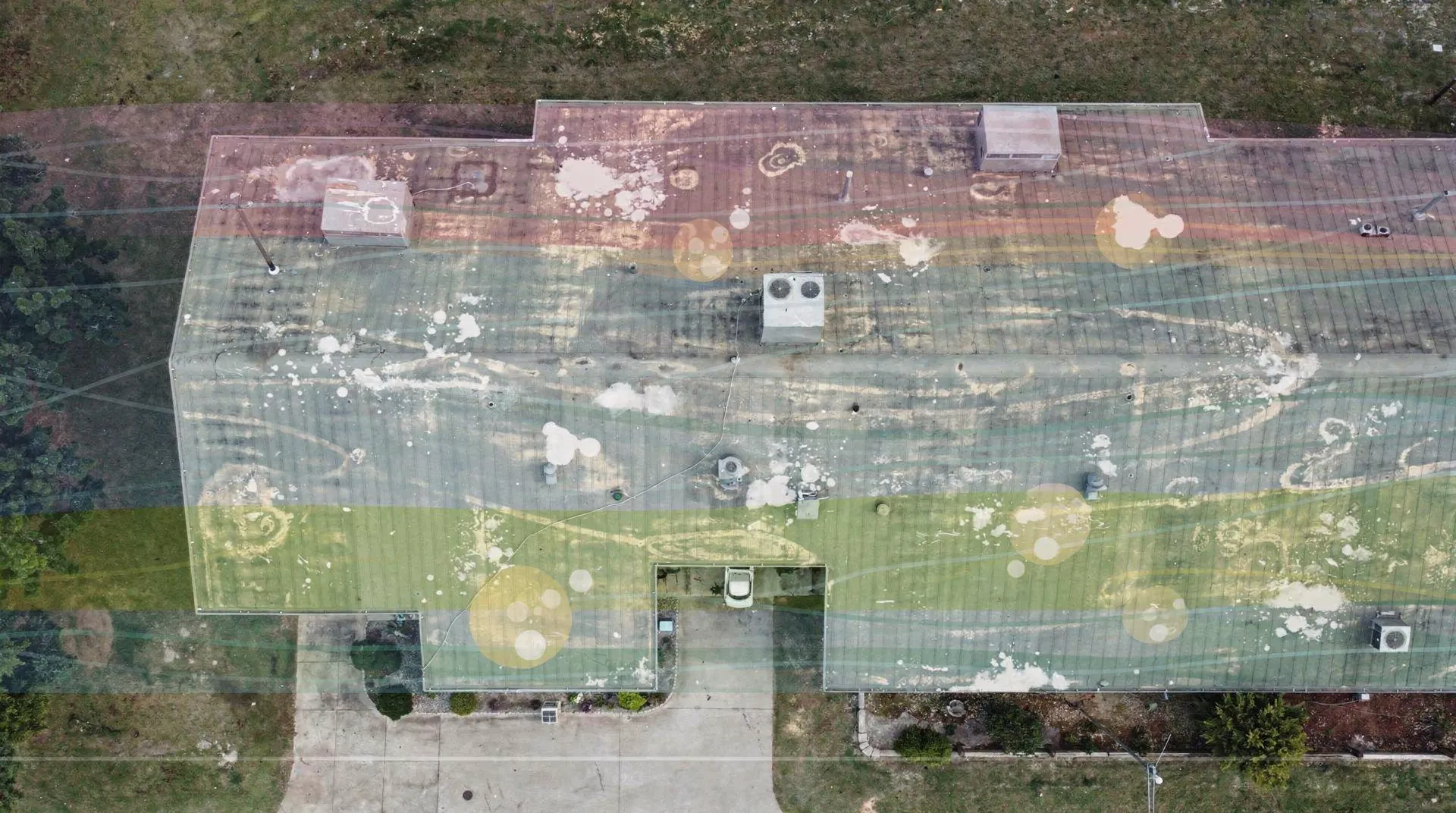
A storm impact report is obtained by entering a property address into a storm analytics platform. Automatically generates a property-specific damage profile. Skipping this step leaves homeowners and contractors relying on undocumented assertions. A gap that weakens insurance claims and delays repairs.
Prerequisite: Confirm the property address before beginning. Accurate address entry determines the precision of all data returned.
- Enter the property address into a storm analytics platform to trigger an automated data pull.
- Review the prominent storm event — the report surfaces the single most damaging storm to impact the roof first.
- Examine the three-year history of hail and wind activity to identify cumulative roof damage weather patterns that a single inspection might miss.
- Verify the data source — reports backed by National Oceanic and Atmospheric Administration records carry independent, third-party credibility that adjusters and homeowners recognize.
- Document findings and cross-reference them with a physical roof inspection to build a defensible repair or replacement estimate.
What Data Does a Custom Weather Report Include?
A custom weather report covers the most prominent storm event alongside a full three-year record of hail. Wind activity for the specific address. Because the data originates from a third-party source, the findings carry objective credibility that supports insurance conversations.
Why Does Third-Party Verification Matter for Storm Reports?
Independent, NOAA-verified data removes the appearance of contractor bias from damage assessments. Cool Roofs Inc. — with over 2,000 completed projects and more than 6 million square feet of roofing installed. Applies this verified storm data to deliver accurate, trustworthy damage evaluations from the first client conversation.
How Do You Act on Roof Damage Weather Findings?
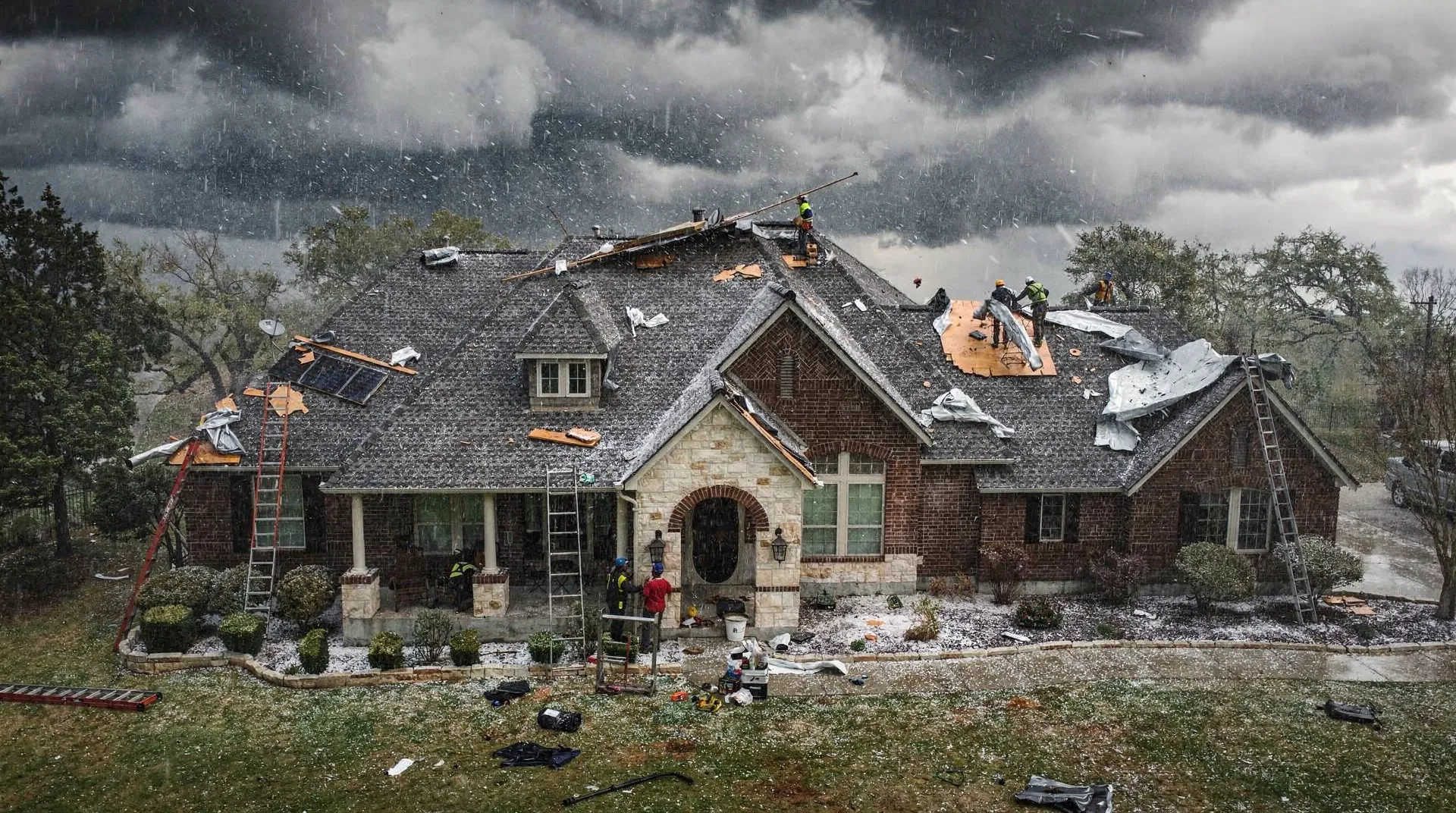
Acting on roof damage weather findings requires a structured response. Delays after a storm allow minor issues to escalate into costly structural failures. Strong storms deliver sharp winds, hail, and heavy rain that damage shingles, gutters. Flashing, and every hour without intervention increases the risk of interior water intrusion.
What Steps Should Property Owners Take After Reviewing a Storm Impact Report?
A storm impact report documents the specific weather events that struck a property, giving homeowners. Contractors objective evidence to act on. Follow these steps immediately after reviewing findings:
- Document visible damage — photograph affected shingles, gutters, and flashing before any cleanup begins.
- Contact a licensed contractor — Cool Roofs Inc. is licensed, insured, and certified in Texas, New Mexico, New Jersey, North Carolina, and Tennessee.
- File an insurance claim — present the storm impact report as supporting evidence to the adjuster.
- Schedule repairs without delay — prompt repairs keep a home safe from further harm.
How Does a Custom Weather Report Help With Financing Decisions?
A custom weather report establishes a clear timeline of storm activity, strengthening insurance claims and justifying immediate repair budgets. Cool Roofs Inc. offers financing options, including 12-month same-as-cash loans and low-interest long-term plans, so cost concerns never postpone critical repairs.
Forensic Meteorology Data
Forensic meteorology plays a vital role in verifying roof damage claims by leveraging detailed historical weather data, radar imagery, and localized storm reports. This scientific approach enables precise reconstruction of weather events impacting specific properties, providing robust evidence for insurance and repair decisions.
Historical Weather Data: Access to extensive weather archives allows experts to analyze past storm conditions, including hail size, wind speed, and precipitation. This temporal data pinpoints when potentially damaging weather occurred, correlating it directly with reported property damage.
Radar Imagery Analysis: High-resolution radar images capture the development, movement, and intensity of storms over time. These visual data sets help identify storm tracks and localized phenomena such as hail cores or intense wind gusts that may have affected a roof.
Localized Storm Reports: Combining official storm reports and eyewitness accounts at precise geographical locations provides context to the meteorological data. This triangulation of information enhances the credibility of damage verification by confirming that severe weather impacted the subject property.
By integrating these forensic meteorology tools, roof damage assessments become more accurate and defensible, reducing disputes during the claims process and facilitating timely repairs backed by objective science.
Why Data-Backed Reports Strengthen Storm Damage Claims
What does a custom weather report cover?
It delivers property-specific hail size, wind speed, and storm dates across a full three-year period, all backed by NOAA-verified data.
Why do homeowners need a roof inspection alongside a weather report?
A professional inspection confirms physical damage. Pairs directly with the weather record, building a defensible repair or replacement estimate for the insurance claim.
Does Cool Roofs Inc. offer roof inspections?
Cool Roofs Inc. provides free roof inspections for residential and commercial properties across Texas, Tennessee. New Jersey, supported by a 5-star rating from over 1,000 verified reviews.
What are the benefits of using forensic meteorology in roof damage claims?
Forensic meteorology uses scientific weather data and radar imagery to verify storm events affecting specific properties. This evidence supports insurance claims with precise, objective information, reducing disputes and expediting repairs.
How accurate are the storm dates and weather details in custom weather reports?
Custom weather reports rely on NOAA-verified data and high-resolution radar images to provide highly accurate information about storm occurrences, size, intensity, and timing at a property-specific level.
Can insurance companies reject claims without a custom weather report?
Yes, insurance adjusters often reject claims based on undocumented assertions. A custom weather report provides objective, third-party verification that strengthens the claim and supports coverage approval.