
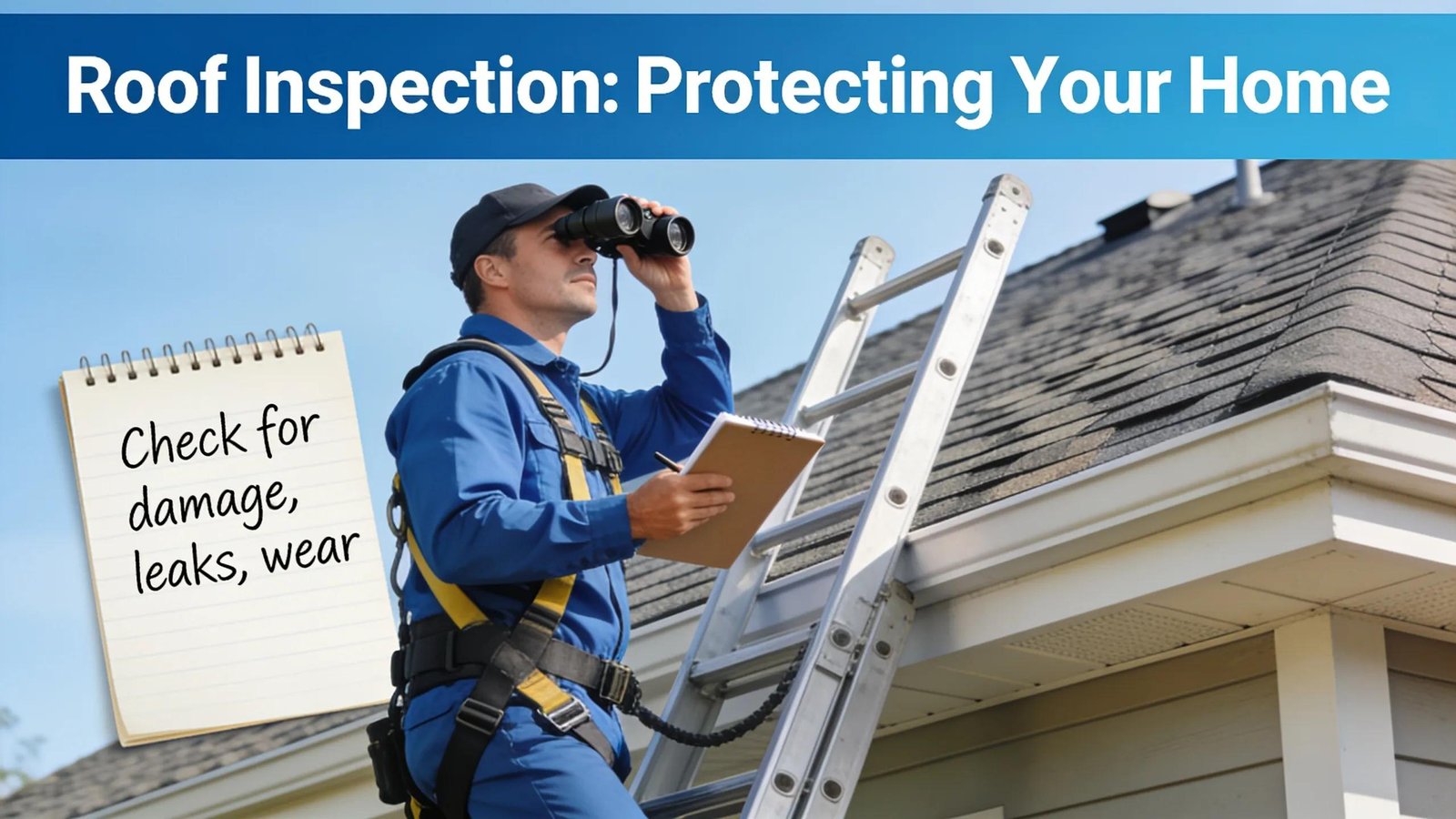
How to Inspect Your Roof: The Ultimate Guide for Homeowners and Commercial Property Managers
A roof inspection is a systematic evaluation of a building’s roofing components to find signs of wear, damage, or conditions that could lead to leaks and costly repairs. Performing regular inspections protects property value and prevents progressive damage by identifying small problems early, and this guide explains how to inspect your roof whether you manage a home or a commercial asset. Homeowners and commercial property managers will learn inspection frequency recommendations, a practical roof inspection checklist, how to identify common damage such as granule loss and ponding, and when to call a professional. The article also covers differences between residential and commercial inspections, how to prepare for an inspection, and regionally relevant considerations for Central Texas and Memphis, TN. Throughout, we integrate best practices, inspection lists, and EAV comparison tables so you can perform effective DIY checks and understand the benefits of a professional assessment. By following these steps you can detect leaks early, support warranty and insurance claims, and plan cost-effective maintenance or repairs.
How Often Should You Inspect Your Roof?
A roof inspection frequency plan defines how often to visually and physically check roofing systems to reduce the risk of leaks and extend service life. Regular inspections balance preventive maintenance with storm-driven triggers, and routine cadence improves the chance of catching deterioration such as granule loss or flashing failures before interior damage occurs. For most properties a planned schedule plus event-driven checks creates the best defense against accelerated wear and hidden leaks. The next paragraphs break down seasonal timing, post-event actions, and reasons inspections pay off in lower repair costs and preserved warranties.
Routine timing and event-driven checks matter because seasonal temperature shifts and storm seasons affect material performance and the likelihood of damage. Inspections timed for mild weather make it safer to access the roof and view details such as shingle condition and flashing integrity. Regularly scheduled inspections also create documentation that helps with warranty compliance and insurance claims when damage occurs. Read on for specific recommended timings and the cost-avoidance rationale behind them.
When Is the Best Time to Perform Roof Inspections?
The best times for routine roof inspections are in spring and fall when weather is calmer and temperature extremes are less likely to mask issues. Inspecting in spring lets you assess winter wear such as ice or wind damage, while fall inspections locate summer heat and storm impacts before winter arrives; both inspections reduce the chances of seasonal surprises. Additionally, inspect immediately after severe weather events—hailstorms, high winds, or major storms—because those incidents frequently create concentrated damage such as punctures, lifted shingles, or displaced flashing. Avoid climbing onto the roof during wet or freezing conditions; instead, perform a visual ground-level check until conditions are safe for a closer inspection.
Understanding timing leads directly to the financial case for inspections, because early detection prevents minor issues from escalating into costly replacements.
How Does Regular Inspection Prevent Costly Roof Repairs?
Regular inspections prevent costly roof repairs by catching small failures—lifted shingles, failed sealant, or clogged gutters—before they cause interior water intrusion or structural damage. A documented inspection program also helps prioritize repairs by urgency, focusing immediate resources on leak mitigation and safety issues while scheduling preventive maintenance for lower-risk items. For example, replacing a few compromised shingles and sealing flashing early typically costs a fraction of the expense associated with widespread water damage or complete roof replacement. Maintaining inspection records supports warranty claims and insurance submissions, improving the odds of coverage for qualifying storm damage and reducing out-of-pocket expense. Preventive inspection practices therefore function as both a risk-management and cost-control strategy.
What Are the Essential Steps in a Roof Inspection Checklist for Homeowners?
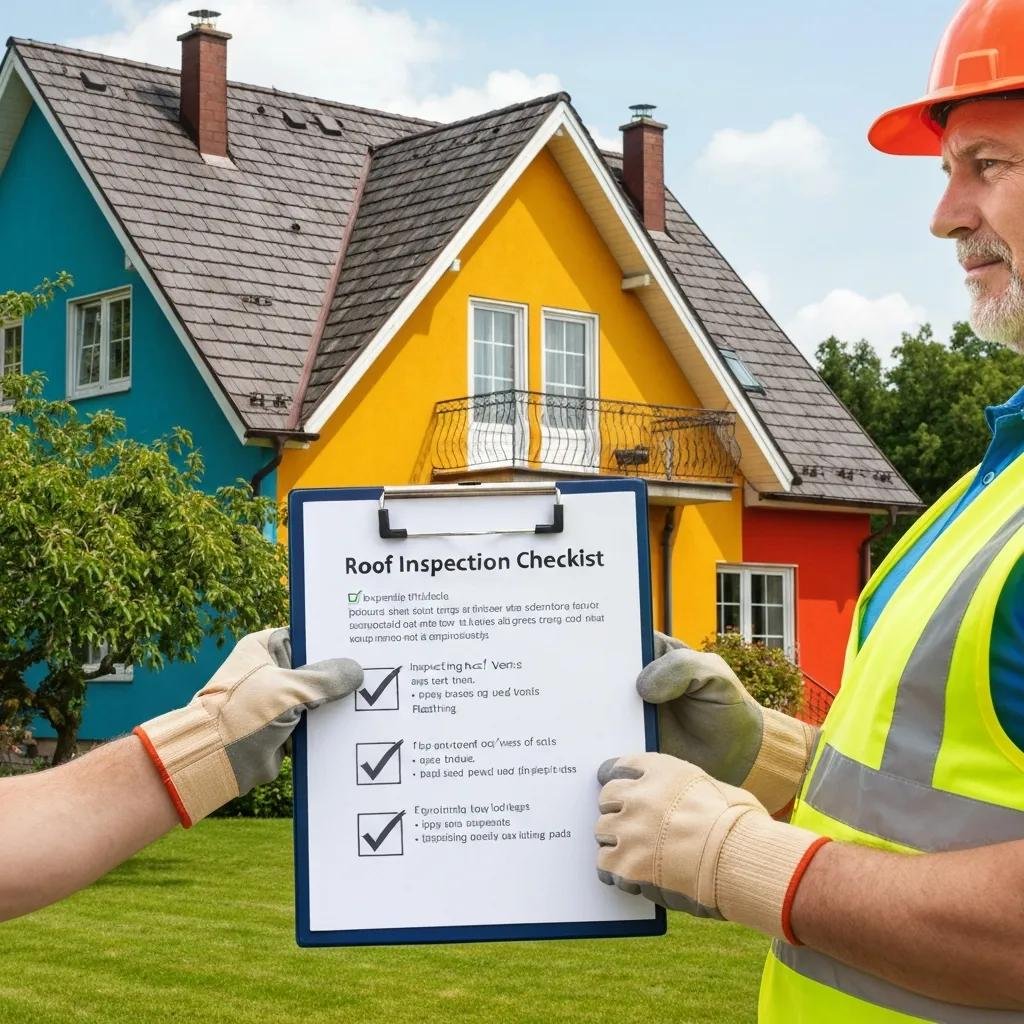
A homeowner’s roof inspection checklist is a step-by-step process focusing on exterior and interior signs of trouble to help determine whether repairs or a professional inspection are required. The checklist organizes inspections into exterior surface checks, gutter and drainage review, and attic/interior evaluation so homeowners can methodically inspect properties without missing high-risk areas. Safety considerations—using binoculars for overhead checks and avoiding roof climbs in unsafe conditions—are integral, and the checklist below provides an ordered approach to cover the most common failure points. After working through this homeowner checklist, the section closes with guidance on when to involve a residential inspection service.
Use this checklist to guide a walk-around and safe visual evaluation, taking photos and notes for future comparison and insurance documentation.
- Inspect shingles from ground level for missing, curled, or cracked pieces and take photos for documentation.
- Check flashing around chimneys, vents, and skylights for gaps, rust, or separated sealant that could allow water entry.
- Examine gutters and downspouts for granule accumulation, blockages, and signs of improper attachment or sagging.
- Look for soft spots, sagging lines, or ponding water on low-slope areas that indicate structural or drainage problems.
- Inspect attic insulation, ceiling stains, and daylight penetration through roof sheathing as interior signs of leaks.
This checklist helps homeowners systematically evaluate visible risks and creates a record for monitoring changes over time. If the checklist reveals concerning signs—extensive granule loss, obvious leaks, structural sagging, or large areas of missing shingles—consider scheduling a professional residential inspection to get a detailed condition report and repair recommendations.
Intro to the EAV table: The table below compares common exterior inspection targets with typical issues and recommended homeowner actions so you can quickly match a symptom to the right response.
This comparison clarifies which exterior findings are manageable as DIY tasks and which typically require professional attention. Proper documentation and follow-up actions reduce the risk of escalation from a localized issue to a major repair.
How to Identify Common Signs of Roof Damage During Inspection?
Identifying common signs of roof damage requires an eye for surface-level clues and an understanding of how those clues map to underlying causes. Visual indicators like missing shingles, exposed mat, or rusted flashing point to material failure or weather-related impact, while structural signs such as sagging or persistent ponding water suggest drainage or decking issues. Recognizing these signs early enables targeted inspections and repair planning that limit interior damage and extend roof life. Read on for specific visual cues and practical detection techniques for less obvious problems.
Systematic observation yields better diagnosis because each visual cue—granule loss in gutters or streaks along valleys—maps to a likely mechanism such as aging, impact, or poor ventilation; the next section breaks these down into specific indicators and recommended actions.
What Are the Visual Indicators of Shingle and Flashing Damage?
Visual indicators of shingle damage include missing or lifted shingles, curled or cracked edges, and extensive granule loss exposing the mat layer; these signs often result from wind uplift, hail impact, or prolonged UV degradation. Flashing damage presents as rust, separations, or gaps where the flashing meets chimneys, vents, or roof transitions—these faults commonly lead to point-source leaks during rainfall. Discoloration, streaks, or algae growth indicate moisture retention or biological activity that may shorten shingle life, particularly on shaded surfaces. When you document visual indicators, include close-up photos and notes on their location to support warranty claims or professional repair estimates.
Clear identification of visual cues helps prioritize immediate fixes versus scheduled maintenance and leads into detection techniques for concealed issues such as leaks and sagging.
Research indicates that a structured checklist, validated by experts, is crucial for identifying and documenting pitched roof components and their condition.
Pitched Roof Inspection Checklist: Components and Maintenance
Inspection is the basis of building structure to obtain assessment information. Assessment is used to get evidence and study the current condition of structure. This is because any structural failure can endanger the safety and health of building occupants. Through inspection, important information can be provided for consistent budget planning. The purpose of this paper is to identify the list of components and subcomponents for pitched roof system to inspection maintenance. The list of components has been reviewed by 3 stakeholder experts consisting of architects and engineers in Malaysia for consideration of the real component in the pitched roof design. The research confirmed the importance of the entire identified component pitch roof based on the 30 experts in roof fabrication. This paper serves to promote awareness among the various building inspections about the list of pitched roof components to identify components quickly. This inspection checklist has been validated by the expert to get feedback on the development. This checklist is aiming to design standard inspection for pitched roof and to reduce b
Identify Visual Component Inspection for Design Non-Destructive Pitch Roof Checklist, MHM Hashim, 2022
How to Detect Roof Leaks, Granule Loss, and Sagging Areas?
Detecting leaks and hidden damage begins with interior attic checks: look for ceiling stains, wet or compressed insulation, mold, and daylight showing through roof sheathing—each is a strong indicator of an active leak. Check gutters and downspouts for granular buildup; large quantities of dark sand-like granules are a reliable sign of shingle wear and approaching material failure. To detect sagging, compare roofline profiles from multiple vantage points and inspect for soft spots on decking accessible from an attic or a safe rooftop platform; decking movement often signals structural issues requiring professional evaluation. Document all findings with photos and measurements to support repair prioritization and potential insurance claims.
What Should Commercial Property Managers Know About Roof Inspections?
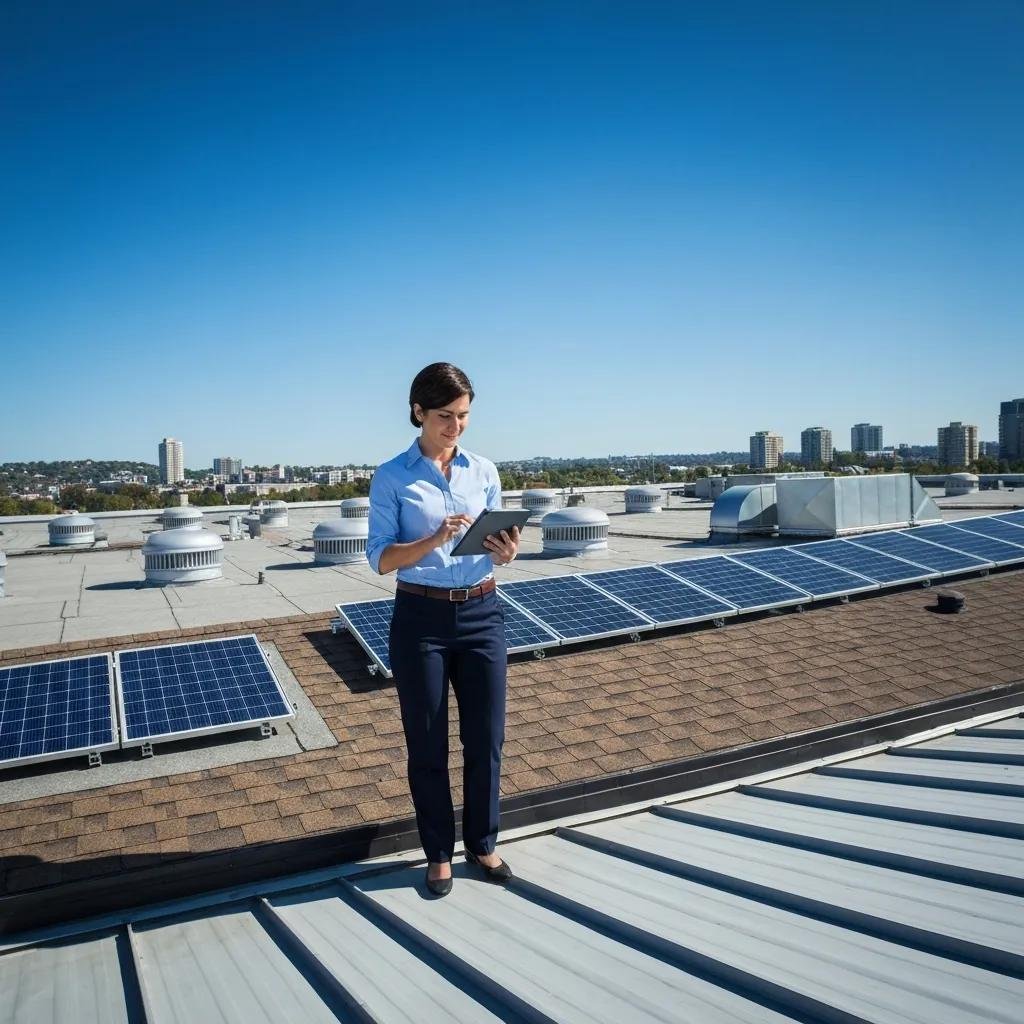
Commercial roof inspections differ from residential checks in scope, safety protocols, and maintenance requirements, because many commercial roofs are low-slope membrane systems that demand specialized assessment techniques. Property managers must account for rooftop equipment penetrations, drain integrity, membrane seams, and ponding water—all critical factors that influence lifecycle costs and liability. Scheduled inspections, rigorous documentation, and coordinated vendor management support warranty compliance and effective capital planning for larger assets. The following subsections explain operational differences and maintenance tips specific to commercial systems and include a system comparison table for common commercial roof types.
Effective commercial roof programs combine regular in-person inspections with photographic records and maintenance logs so managers can prioritize interventions and forecast replacement cycles.
How Does Commercial Roof Inspection Differ from Residential?
Commercial roofs are often flat or low-slope and use membrane systems such as TPO, EPDM, or built-up roofing, which require inspections focused on seam integrity, flashings at equipment curbs, and drain function rather than individual shingle condition. Access and safety are more complex on commercial properties; inspections frequently require harnesses, roof anchors, or drone-assisted assessments to evaluate large or difficult-to-reach areas. Inspection frequency may be higher because commercial roofs have heavier traffic, rooftop equipment, and different warranty conditions that mandate documented inspection cadences. Documentation and vendor coordination are essential; managers should retain inspection reports to demonstrate preventive maintenance for insurance and warranty purposes.
These operational differences lead into specific maintenance tasks that commercial managers should schedule routinely to avoid membrane failures and interior damage.
Intro to the EAV table: The table below compares typical commercial roof systems by inspection frequency, common problems, and recommended maintenance actions to help managers prioritize resources.
This comparison helps managers match system type to an inspection cadence and targeted maintenance actions that reduce the risk of membrane failure. Properly scheduled maintenance reduces emergency repairs and prolongs membrane lifespan.
The integration of Unmanned Aerial Systems (UAS) and deep learning offers a faster, more efficient, and safer approach to inspecting both residential and commercial flat roofs, particularly for leak detection.
UAS for Residential Roof Inspections: Safety and Efficiency
The traditional roof inspection tends to be a slow and challenging task, mainly due to accessibility limitations and the risk of falls from height. In recent years, the adoption of new technologies, such as the Unmanned Aerial System (UAS) to support the inspection process has proven to be an effective option to overcome such problems. Therefore, this study aims to evaluate the use of UAS for roof inspection on post-occupation residential buildings, seeking to assist in the decision-making process. The research method adopted was the case study, structured in the following steps: (a) evaluation of items that can be viewed with UAS, (b) protocol for flight planning and data collection with UAS, (c) analysis of non-compliance checking of roof conditions, and (d) evaluation of users’ perceptions concerning the usability of UAS to support roof inspection. A total of 10 residential projects of a large construction company were inspected, totalizing 167 roofs. The analysis of the visualization potential shows that 72% of the requirements contained in the construction company’s checklist can be inspected with the UAS. Besides that, 50,5% of the non-conformities identified are related to poor execution during the construction phase, highlighting the need for improvements. According to the maintenance team’s perceptions, the UAS can contribute to increase worker safety, reduce time and effort during the data collection process, and assist in the identification of non-conformities.
Using uas for roofs structure inspections at post-occupational residential buildings, R Melo, 2020
Deep Learning and UAVs for Flat Roof Leak Detection
This paper presents an efficient and accurate method for detecting flat roof leaks using a combination of unmanned aerial vehicles (UAVs) and deep learning. The proposed method utilizes a DJI M300 drone equipped with RGB and thermal cameras to capture high-resolution images of the roof. These images are then processed to create orthomosaics and digital elevation models (DEMs). A deep learning model based on the U-NET architecture is then used to segment the roof into different classes, such as PVC foil, windows, and sidewalks. Finally, the damaged insulation is identified by analyzing the temperature distribution within the PVC foil segments. The proposed method has several advantages over traditional inspection methods. It is much faster and more efficient. A UAV can collect images of a large roof in a matter of minutes, while traditional methods can take several days or weeks. The orthomosaics and temperature maps generated by the UAV are much more detailed than the im
Flat roof classification and leaks detections by Deep Learning, 2023
What Are Key Maintenance Tips for Commercial Roof Systems?
Key maintenance tasks for commercial roofs prioritize drainage, membrane integrity, and rooftop-penetration sealing to prevent water intrusion and structural damage. Keep drains, scuppers, and gutters clear of debris to avoid ponding water, which accelerates membrane degradation and can lead to interior leaks. Regularly inspect seams, flashing around rooftop equipment, and sealants for signs of separation or cracking, addressing small failures before they grow. Maintain a vendor log and documented inspection schedule to ensure warranty requirements are met and to provide a defensible record for insurance claims. These proactive maintenance steps reduce lifecycle costs and support predictable capital planning for replacements.
Given the complexity and liability associated with commercial roofs, many managers partner with specialized commercial roofing contractors for scheduled assessments and emergency response planning.
Concluding commercial service note: For property managers seeking a partner for ongoing commercial roof maintenance and inspections, Cool Roofs Inc. provides expertise in commercial roofing systems and maintenance coordination, and can integrate inspection documentation into ongoing asset-management programs, including assistance with warranty and insurance processes.
When Should You Call a Professional for a Roof Inspection?
Call a professional for a roof inspection whenever red-flag conditions exist that signal immediate risk to the building envelope or occupant safety. Professional assessments offer a deeper diagnostic capability—walk-and-drone surveys, attic evaluation, moisture meter readings, and a written report with photos and repair estimates—that go beyond what a homeowner can safely and reliably do. Situations that should prompt a professional call include visible structural damage, active leaks, significant granule loss, sagging roof sections, or after severe storms. The table below lists inspection triggers with recommended urgency and a short cost/benefit note to help property owners decide when to escalate to a professional.
Professionals also support insurance documentation and warranty compliance, making their involvement cost-effective in many red-flag scenarios.
What Does a Professional Roof Inspection Include?
A professional roof inspection typically includes a comprehensive exterior assessment, attic and interior checks, photo documentation, and a written report outlining recommended repairs, prioritization, and cost estimates. Professionals use both ground-level and rooftop observations, and may employ drones for detailed imagery of steep or extensive roofs to capture damage that is not safely visible from the ground. Attic inspections reveal leak pathways, wet insulation, and ventilation problems that explain surface symptoms and guide repairs; moisture meters and infrared imaging may be used when available to detect hidden wetness. The deliverables—photographs, measurements, and a prioritized written plan—support insurance claims and warranty discussions and give owners a clear roadmap for remediation. Understanding these components helps owners judge the value of a professional inspection versus DIY checks.
These professional deliverables naturally lead into the advantage of free inspection offers in certain service areas, which reduce the barrier to obtaining a professional condition assessment.
How Can Free Roof Inspections in Texas and Memphis Help You?
Free roof inspections serve as a no-cost triage that lets owners determine the severity of storm or age-related damage without upfront expense, and are especially useful in regions with frequent hail and wind such as Central Texas and Memphis, TN. A complementary inspection provides photographic documentation and a preliminary condition report that property owners can use to decide on immediate repairs, insurance claims, or warranty work. For homeowners and managers weighing whether to repair or replace, a free inspection clarifies remaining service life and repair prioritization while lowering the barrier to professional guidance. Cool Roofs Inc. offers free roof inspections in Central Texas and Memphis, providing service to homeowners and commercial property managers who need detailed evaluation and help navigating insurance and warranty processes.
How to Schedule and Prepare for Your Roof Inspection?
Scheduling and preparation streamline the inspection so inspectors can work efficiently and you get a more accurate assessment in less time. Before scheduling, gather essential information such as the roof‘s age, material type, warranty documentation, recent repair history, and photos or videos of visible damage. Prepare the site by clearing access to the property perimeter, moving vehicles away from potential water runoff areas, and securing pets and loose items so technicians can operate safely. The following list identifies documentation and practical steps that help inspectors perform a thorough evaluation.
- Gather roof details including the year of installation, material type, and records of past repairs or warranties.
- Collect photographic evidence or video of visible damage from ground level to help inspectors prioritize areas of concern.
- Clear access routes around the building, move vehicles, and secure pets so technicians can safely set up ladders and equipment.
A tidy and well-documented property presentation leads to a more efficient inspection and clearer deliverables. After the inspection, a documented report helps you plan repairs and communicate with insurers or warranty providers.
Call-to-action and scheduling guidance: When you’re ready to schedule, note that complimentary inspection availability can simplify the decision to get a professional assessment. Cool Roofs Inc. provides free roof inspections to homeowners and commercial property managers in Central Texas (including Austin, New Braunfels, San Antonio, Fort Worth, Houston, Beaumont, and College Station) and Memphis, TN, offering detailed condition reports, photo documentation, and assistance with insurance or warranty navigation.
What Information Do You Need Before Scheduling a Roof Inspection?
Providing inspectors with property details and documentation before they arrive speeds the inspection and improves the value of the written report. Useful pre-inspection items include the property address and roof age, material type (asphalt shingle, TPO, EPDM, etc.), warranty and insurance paperwork, and any recent photos or videos showing visible damage. If you suspect storm damage, note the date and nature of the event so inspectors can prioritize impact areas. Including contact information for property managers or homeowners and details about restricted access ensures the inspection is efficient and complete. Sharing these details in advance helps inspectors prepare the right tools and personnel for a thorough assessment.
How to Use Inspection Results to Plan Repairs or Maintenance?
After receiving an inspection report, interpret findings through a triage lens: address safety and active leaks first, then fix items that prevent further deterioration, and finally schedule preventive maintenance to extend roof life. Use prioritized recommendations to request multiple repair estimates if necessary and compare scope and warranties to ensure competitive pricing and quality workmanship. For insurance claims, provide the inspection report, photos, and any documented maintenance history to support submissions and speed approvals. For long-term planning, incorporate recommended maintenance tasks and the inspector’s remaining-life estimate into your capital repair schedule to budget for eventual replacement. Prioritizing repairs this way ensures urgent risks are handled quickly while spreading preventive work into affordable intervals.
This final planning step ties the inspection process to practical decision-making and long-term roof stewardship, completing the inspection lifecycle presented in this guide.
Frequently Asked Questions
1. What tools are recommended for a DIY roof inspection?
For a DIY roof inspection, essential tools include binoculars for distant viewing, a notepad for documenting findings, and a camera to capture visual evidence. You may also benefit from a tape measure to assess damage extent or structural issues. Safety gear, including a hard hat and non-slip shoes, along with a sturdy ladder, can help ensure a safe inspection environment when accessing the roof safely. Always prioritize safety first and consider professional help when accessing steep or difficult areas.
2. How can seasonal weather affect roof inspections?
Seasonal weather plays a crucial role in roof inspections. Spring and fall are the best times for inspections, as calmer weather and moderate temperatures allow for safer access and better visibility. During heavy rain or snow, it is advisable to postpone inspections to avoid hazards and inaccurate assessments. Weather extremes can impact roofing materials, revealing damage not easily seen in warmer seasons, highlighting the importance of timing in maintaining a proactive inspection schedule.
3. Are there specific signs homeowners should look for during a roof inspection?
Homeowners should look for signs such as missing or curled shingles, granule loss in gutters, and obvious water stains on ceilings or walls that indicate possible leaks. Additionally, checking for sagging areas or areas with standing water can signal structural problems. Observing rusted flashing or soft, wet spots on the roof can also point to areas requiring immediate attention. Regular visual checks can help in identifying these issues promptly.
4. What are the risks of neglecting regular roof inspections?
Neglecting regular roof inspections can lead to major issues like water leaks, mold growth, and structural damage that can escalate repair costs significantly. Early signs of damage often go unnoticed, resulting in more extensive and costly repairs over time, including complete roof replacements. Moreover, failure to maintain documentation of inspections and repairs can jeopardize warranty claims, diminishing protection provided by insurance policies, making proactive maintenance essential for long-term financial savings.
5. For commercial properties, what specialized inspections might be necessary?
For commercial properties, inspections should focus on unique features like rooftop equipment, low-slope membrane systems, and drainage systems. Specialty assessments might include checking seam integrity, assessing penetrations around HVAC units, and monitoring for ponding water. Given the increased foot traffic on commercial roofs, inspections often require harnesses or drones for safety. Regular documentation and vendor management are crucial for compliance with warranty requirements and successful planning for future maintenance or replacements.
6. How do roof warranties impact the need for inspections?
Roof warranties often include specific maintenance conditions that require regular inspections to remain valid. Failing to adhere to warranty guidelines can void coverage for repairs related to storm damage or material defects. Thus, maintaining inspection records and following recommended services not only supports claims for repairs but also ensures that any repairs conducted are warranted, minimizing long-term costs. Understanding warranty specifics is critical for any property manager or homeowner to ensure asset protection.
7. Can technology assist in roof inspections?
Yes, technology like drones and infrared cameras can greatly enhance roof inspections. Drones provide aerial views of roofs, making it easier to detect damage, leaks, or deterioration spots that are hard to see from the ground. Infrared cameras help identify heat signatures that indicate moisture retention. These technologies increase the efficiency and safety of inspections, reduce the time required, and can document conditions in high detail, assisting both homeowners and professional inspectors in diagnosing issues effectively.
Conclusion
Regular roof inspections are crucial for maintaining property value and preventing costly repairs by detecting and addressing minor issues before they escalate. Understanding how to evaluate different types of roofs empowers homeowners and commercial property managers alike to take proactive measures for their properties. By following this guide and utilizing the provided checklist, you can ensure a thorough inspection tailored to your roofing system. For professional assistance, consider scheduling a free roof inspection with Cool Roofs Inc. to safeguard your investment.