
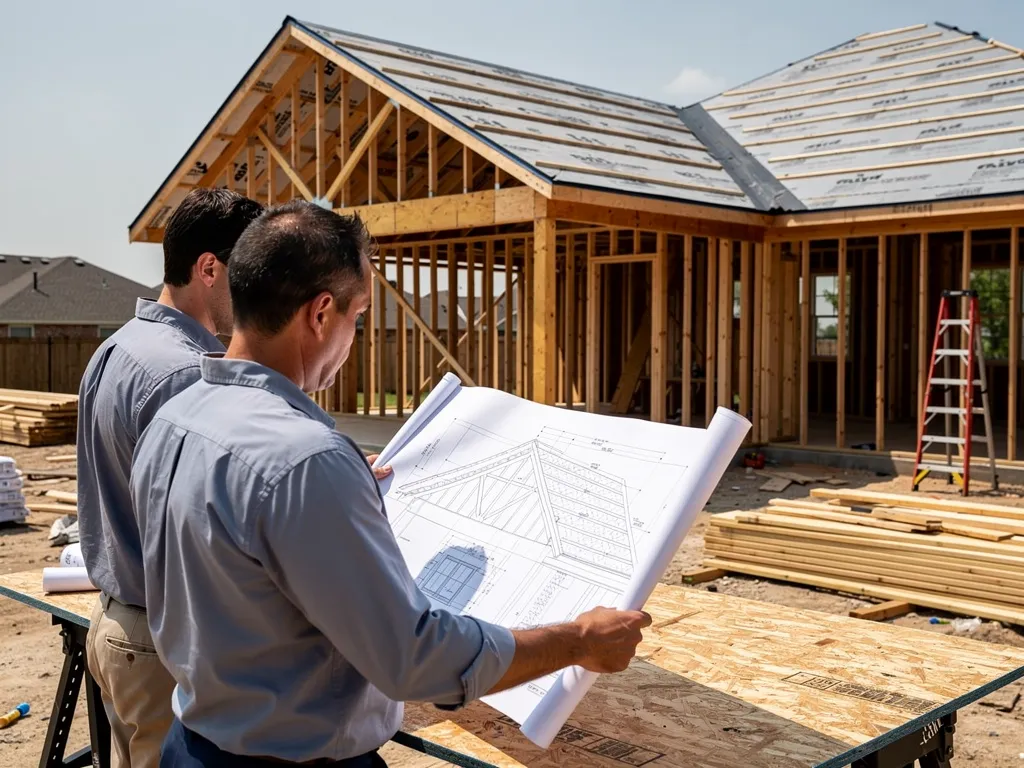
Adding a new room, expanding your kitchen, or building an extra living space can make your Fort Worth home more comfortable and functional. However, one important part of the project deserves attention before construction begins: the roofing system.
A home addition changes more than the available floor space. It also changes the roofline, drainage patterns, and the way different sections of the house connect. Without proper planning, these changes can affect the appearance and performance of your existing roof.
Working with an experienced roofing company fort worth tx homeowners can rely on can help ensure that the new roof section integrates properly with the existing structure.
1. Plan the Roof Design Alongside the Home Addition
One common mistake homeowners make is treating roofing as the final stage of an extension project. Roof planning should happen during the initial design process.
The new section should complement the existing roof’s slope, shape, and overall structure. For example, extending a home with a traditional pitched roof requires careful consideration of how the new roofline connects with the original one.
Important design factors include:
Roof pitch and slope compatibility
Height and alignment of the new roof section
Placement of valleys and ridges
Proper support for the additional roofing structure
Overall appearance from the street
Planning these details early can reduce design conflicts and unnecessary adjustments during construction.
2. Make Sure the New and Existing Roofs Connect Properly
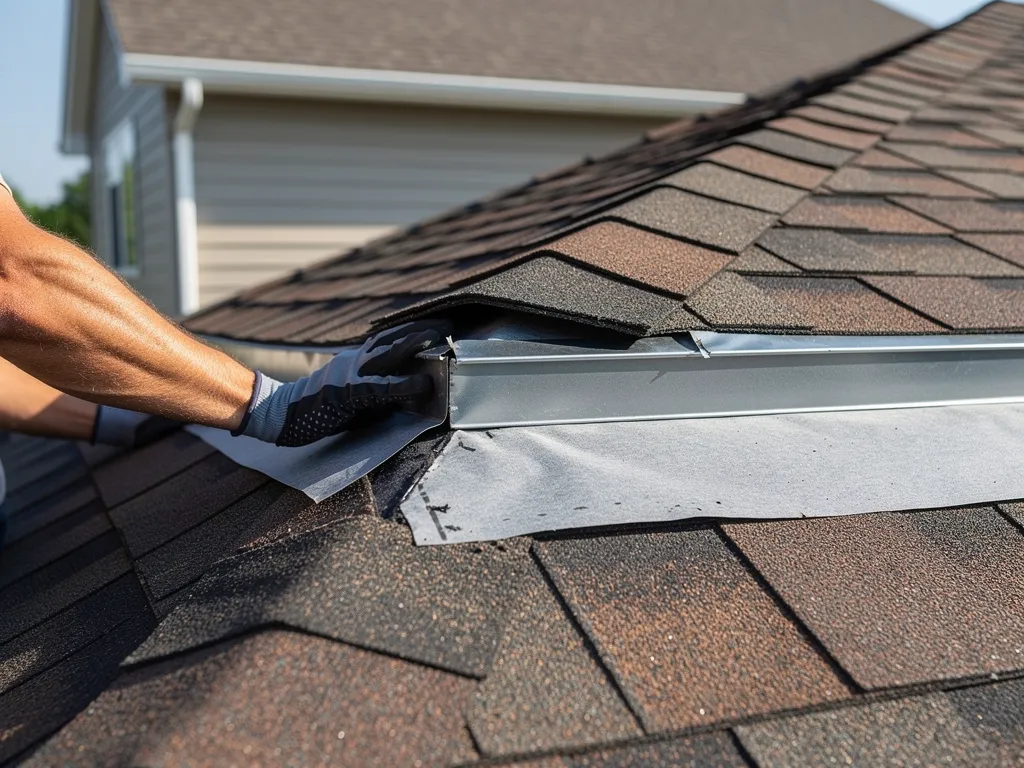
The connection between an existing roof and a new addition is one of the most important parts of the project. Poor connections can create weak points where water may enter.
Roof valleys, flashing, and adjoining surfaces must be carefully designed and installed. Flashing is particularly important around roof intersections, walls, chimneys, and other areas where different surfaces meet.
The installation should also account for the condition of the existing roof. If the original section has worn materials or previous repairs, these factors should be considered before connecting the new structure.
A professional roof inspection can help identify existing conditions that may affect the addition.
3. Choose Materials That Complement Your Existing Roof
A home addition should look like a natural extension of the original property. Roofing materials play a major role in achieving this result.
Ideally, the new roof should match the existing roofing material in color, texture, profile, and overall appearance.
Homeowners should consider:
Material compatibility: Select products that work with the existing roofing system.
Color matching: Consider how sunlight and aging may affect the appearance of older materials.
Product availability: Check whether the original roofing product is still available.
Long-term appearance: Choose materials that complement the home’s overall architectural style.
If the original roofing material is discontinued or difficult to match, alternative options may be worth discussing with a roofing professional.
Cool Roofs offers residential roofing solutions and roof replacement services for homeowners planning larger roofing projects.
4. Consider Drainage Before Extending the Roofline
Changing the roof structure can also change how rainwater moves across the property. A poorly planned addition may direct water toward an existing roof section, wall, or foundation.
Before construction, consider how the new roof will handle rainfall.
Proper drainage planning should include:
Correct roof slopes to guide water toward drainage points
Properly positioned gutters and downspouts
Secure flashing around roof intersections
Suitable drainage paths around the extension
Protection against water collecting near walls
These details help the original and new roof sections function together as one system.
5. Inspect the Existing Roof Before Construction Begins
Before attaching a new section, it is important to understand whether the existing roof can accommodate the planned changes.
An older roof may have damaged shingles, weakened decking, or previous installation issues that need attention. Addressing these concerns before construction can help avoid complications later.
Depending on the roof’s condition, homeowners may need targeted shingle repairs or leak repairs before the new section is connected.
A professional assessment can also help determine whether the existing roof requires additional work as part of the project.
Plan Your Fort Worth Home Addition With Confidence
A successful home addition should feel like part of the original house, not a separate structure attached to it. Proper roof design, material selection, flashing, and drainage all contribute to a seamless result.
Planning these details early can help homeowners avoid unnecessary construction changes and protect their investment for years to come.
If you are planning a home addition or extension in Fort Worth, contact Cool Roofs to discuss your roofing requirements. Our team can help assess your existing roof and explore suitable roofing solutions for your project.
Contact Cool Roofs today to schedule a free roof inspection and discuss your upcoming project.