
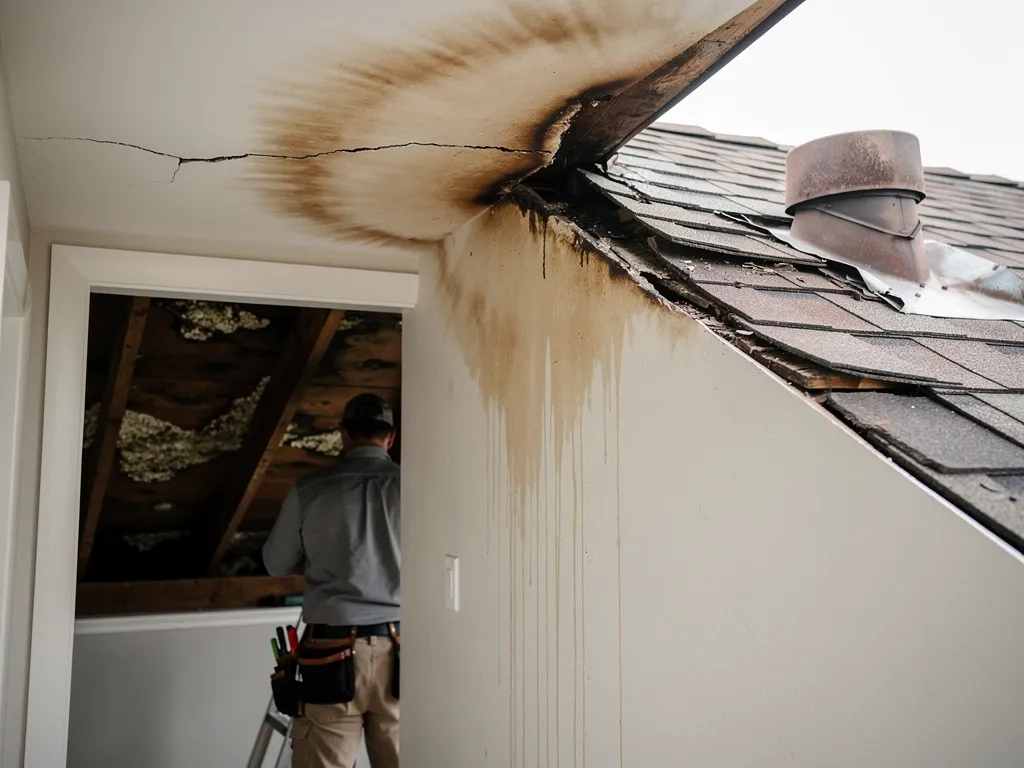
Water stains spreading across ceilings or walls signal an active roof leak requiring immediate attention. Additional warning signs include damaged plumbing vent boots with cracked plastic or torn rubber, a deteriorated drip edge no longer channeling water into gutters, missing shingles, musty odors, and sagging roof deck sections that indicate prolonged moisture intrusion and potential structural damage.
Key Takeaways
Water stains on ceilings and walls indicate active roof leaks requiring immediate inspection and repair.
Damaged plumbing vent boots, missing flashing, and cracked shingles account for most residential roof leaks.
Mold growth in attics signals prolonged moisture exposure from undetected roof leaks above.
Cool Roofs Inc. provides free roof inspections to identify leaks before they cause structural damage.
What Do You Need Before Inspecting Your Roof?

A ladder, clear weather, and a camera cover the basics for most homeowners preparing to check their roof. Skipping proper preparation risks missed damage, a bad fall, or an incomplete picture of what repairs a roof actually needs. Property managers and homeowners should gather a few simple tools and set safety expectations before stepping outside.
Can I inspect my roof myself, or should I call a professional?
Homeowners can safely start with a basic visual check from the ground, scanning for uneven wear or missing shingles without climbing onto the structure. This ground-level approach catches obvious problems early and costs nothing but a few minutes. Professional inspections become especially important after hailstorms, before attempting any closer assessment alone. Storm damage often hides beneath the surface. Cool Roofs provides free roof inspections that help homeowners assess potential leaks before any repair work begins.
What should I bring on a roof safety check?
Equip the inspection with these essentials:
Binoculars or a zoom camera for ground-level viewing
A notepad or smartphone to log suspicious spots
A flashlight for attic or crawlspace checks
Sturdy, non-slip footwear if climbing is necessary
Cool Roofs offers comprehensive roof inspections across Texas, Tennessee, and New Jersey, giving homeowners a trusted alternative to risky DIY climbs.
What Interior Clues Reveal a Hidden Roof Leak?
Discolored patches on ceilings and walls serve as the clearest indicator that a roof problem exists somewhere above. These blotches often appear yellow, brown, or copper-toned, and they signal that moisture has already breached the roofing system. Property managers and homeowners who notice these marks are looking at signs that a roof might be leaking or damaged, not a cosmetic paint issue.
The shape and direction of a stain offer clues about the severity of the problem. A patch that stretches across a ceiling or trails down a wall typically points to an active leak somewhere in the roof above that location. Small, isolated spots may indicate a minor issue, while spreading stains usually mean water has been traveling for some time.
Why Is the Exact Leak Source Hard to Pinpoint?
Water rarely drips straight down from its entry point. Once moisture reaches the attic, it travels along rafters and other horizontal framing members before finding its way to a ceiling or wall. This lateral movement means the visible stain inside a home can sit several feet away from the actual breach in the roofing material.
Homeowners and property managers can narrow down a suspected leak by following a structured interior check:
Inspect every ceiling and upper wall for discoloration, bubbling paint, or soft drywall.
Note the exact location of each stain relative to interior walls and roof lines.
Check the attic for damp insulation, dark streaks on rafters, or daylight gaps.
Document findings with photos before moisture spreads further.
Hidden damage frequently stays invisible from the ground or during a quick glance at the ceiling. A professional inspection, including attic and roof-surface evaluation, catches issues that an untrained eye tends to miss before they escalate into costly structural repairs.
What Exterior Warning Signs Point to Leaks?
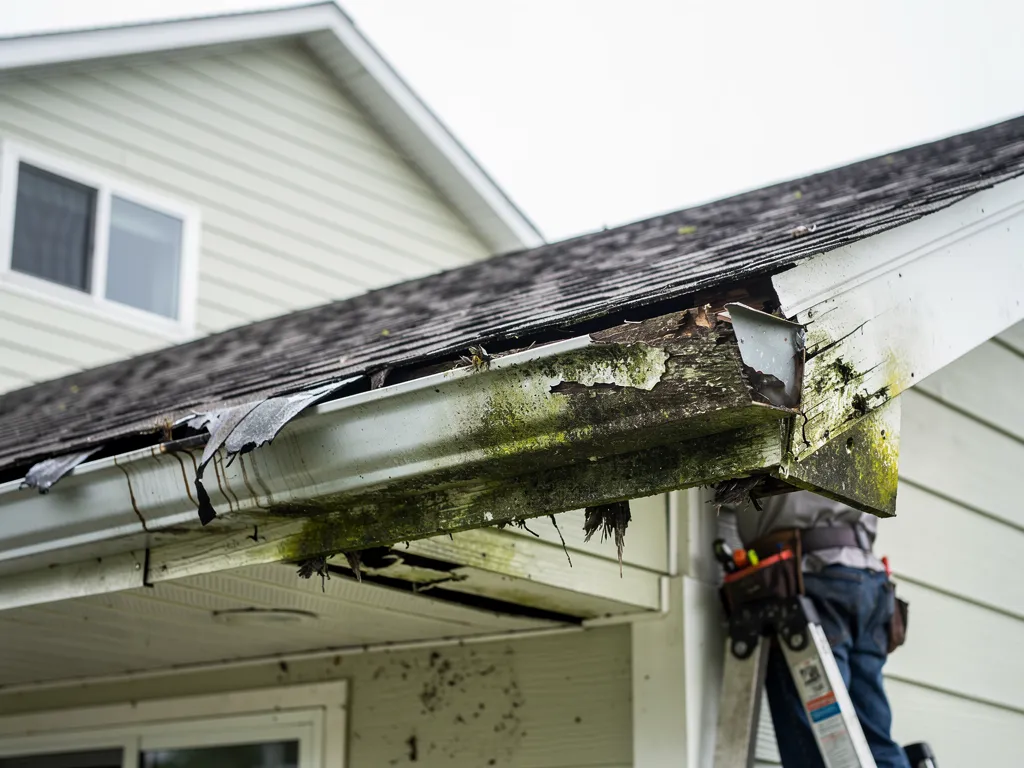
Five exterior clues reveal roof damage long before water reaches the interior: a compromised drip edge, rotting fascia boards, soffit deterioration, missing flashing, and visible mold around the roofline. Each sign deserves a close look, since ignoring any one of them allows water intrusion to spread into the structure itself.
The drip edge, a metal strip installed along the roof’s border, directs rainwater into the gutters instead of letting it pool. When this component is damaged or missing, water soaks into the fascia, roof deck, and soffit rather than draining properly. Replacing a worn drip edge during a roof replacement keeps this protective barrier intact.
How does fascia damage signal a leak?
Fascia boards run along the roofline and normally stay dry because the drip edge routes water past them. Rot, warping, or soft spots on the fascia mean water is no longer being diverted correctly, which often points to a failing drip edge or an active leak nearby.
What does soffit damage indicate?
Soffits sit beneath the roof’s overhang and should remain shielded from moisture. Discoloration, mold growth, or sagging in this area signals that water has found its way past the roofline’s defenses and is reaching surfaces it was never meant to touch.
Flashing deserves equal attention, since it seals vulnerable points like chimneys and pipe penetrations. Property owners sometimes blame shingles for a leak, but missing or damaged flashing around these entry points often lets water inside even when the surrounding shingles appear undamaged.
A quick visual checklist helps organize the inspection:
Metal drip edge: bent, rusted, or absent sections
Fascia boards: rot, soft wood, or peeling paint
Soffit panels: mold, staining, or sagging
Flashing: gaps or separation around chimneys and vents
What Should You Do If You Spot These Signs?
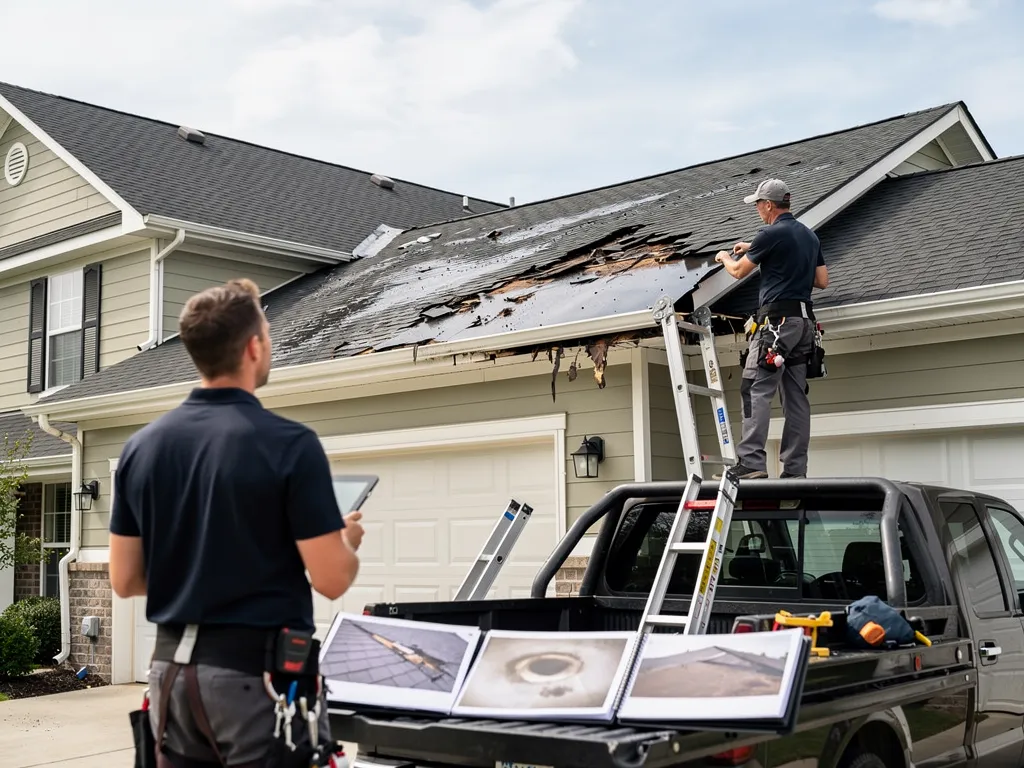
A professional inspection should follow immediately after any sign of water intrusion or storm damage appears on a home. Delaying action allows moisture to spread into insulation, framing, and ceilings, turning a minor repair into a major structural expense. Property owners who act quickly protect both their homes and their budgets.
Document the damage. Take photos of stains, missing shingles, or soft spots before scheduling repairs.
Schedule a professional evaluation. Cool Roofs delivers thorough inspections and detailed reports, giving homeowners the clear information needed to make confident decisions about repairs or maintenance.
Review the findings with a licensed contractor. Cool Roofs is licensed, insured, and certified across Texas, New Mexico, New Jersey, North Carolina, and Tennessee, assuring homeowners that repairs meet local code requirements.
Discuss financing if needed. Homeowners facing unexpected leak damage can explore 12-month same-as-cash loans or low-interest long-term plans, allowing repairs to begin without financial delay.
Move forward with repairs promptly to prevent further interior or structural harm.
Why does the reputation of the inspection team matter?
Reputation signals reliability when a homeowner cannot verify roofing work firsthand. Cool Roofs holds a 5.0 out of 5 stars rating from over 1,000 reviews, reflecting consistent trust in its inspection findings and repair recommendations across the communities it serves.
FAQ
What are the most common signs of a roof leak?
Water stains spreading across ceilings or walls signal an active leak. Damaged plumbing vent boots, missing shingles, a deteriorated drip edge, musty odors, and sagging roof deck sections also indicate moisture intrusion.
Should I climb onto my roof to inspect it myself?
Homeowners can safely perform a basic visual check from the ground, scanning for uneven wear or missing shingles. Professional inspections matter most after hailstorms, since storm damage often hides beneath the surface.
Why does a ceiling stain not appear directly below the leak?
Water rarely drips straight down from its entry point and instead travels along rafters and other horizontal framing members. This lateral movement means the visible stain can sit several feet away from the actual breach.
Conclusion

In closing, recognizing the signs of a roof leak, from interior water stains to exterior damage around flashing and fascia, empowers homeowners to act before minor moisture problems become costly structural failures. Swift professional inspection and prompt repairs protect both property and budget. Cool Roofs delivers the thorough evaluation and licensed expertise needed to address roof damage with confidence, ensuring your home remains protected against the elements for years to come.