
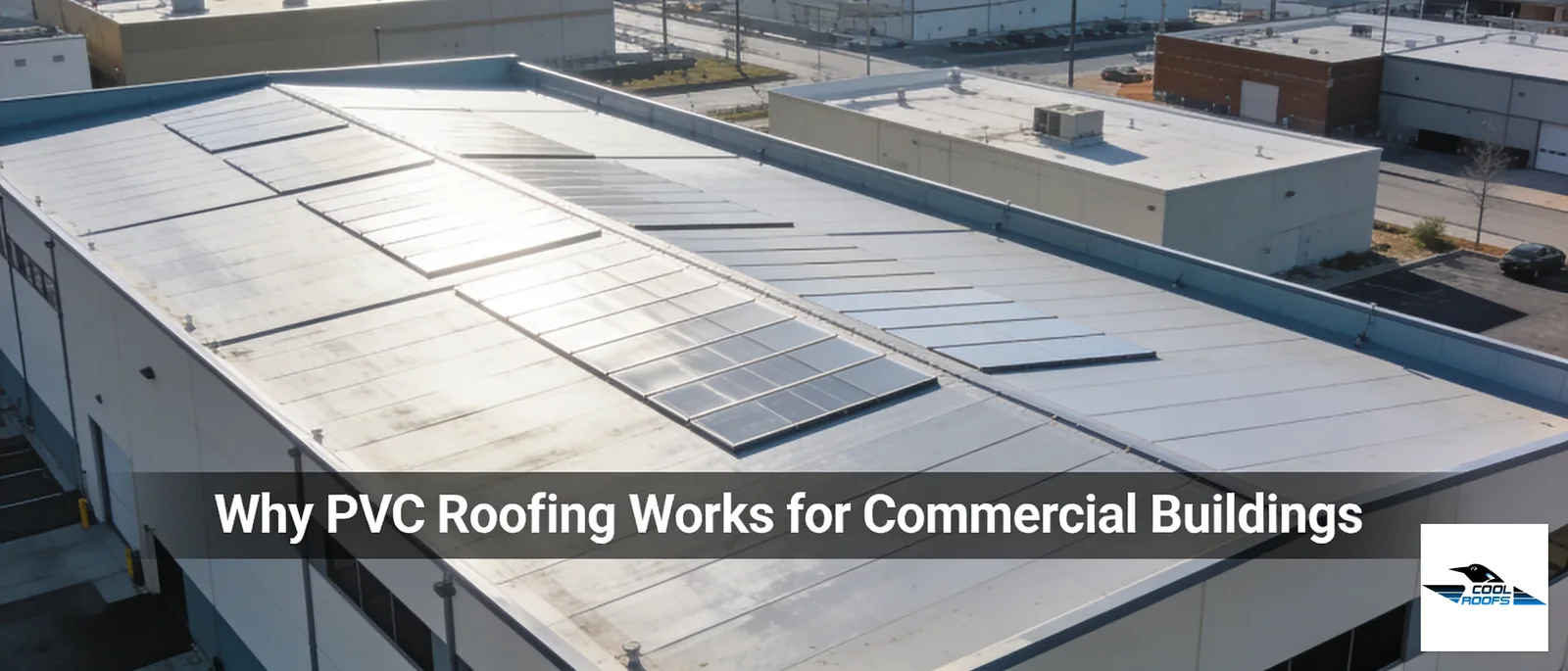
Why PVC Roofing Works for Commercial Buildings
By Cool Roofs Inc. Editorial Team · Updated 2026-07-28
PVC membrane roofing delivers durability for commercial buildings through heat-welded seams that create a watertight barrier across low-slope roofs. Made from ethylene and chlorine with plasticizers, PVC resists chemicals, grease, and punctures better than many alternatives. Cool Roofs Inc. installs PVC systems for facility managers seeking long-term protection, energy efficiency, and reduced maintenance costs across Texas and Tennessee properties.
The Advantages of PVC Roofing Explained
PVC membrane roofing systems utilize single-ply white membranes made from chlorine and ethylene materials.
Cool Roofs Inc. has installed over 6 million square feet of commercial roofing protection.
PVC roofing performs similarly to TPO systems with distinct advantages for low-slope commercial roofs.
Cool Roofs Inc. maintains 5.0 out of 5 stars from over 1,000 verified customer reviews.
PVC membrane roofing systems utilize single-ply white membranes made from chlorine and ethylene materials.
Cool Roofs Inc. has installed over 6 million square feet of commercial roofing protection.
PVC roofing performs similarly to TPO systems with distinct advantages for low-slope commercial roofs.
Cool Roofs Inc. maintains 5.0 out of 5 stars from over 1,000 verified customer reviews.
What Makes PVC Membrane Roofing Durable for Commercial Roofs?
Durability starts with chemistry. PVC roofingmembranes combine ethylene and chlorine with plasticizers, an engineered mix that gives the material flexibility, strength, and resistance to cracking under stress. That composition is why property managers across Texas and Tennessee choose PVC over less resilient single-ply options for low-slope buildings.
Seam construction matters just as much as the raw material. Installers heat-weld PVC roofing panels at every seam, fusing them into one continuous, watertight surface instead of relying on adhesives or tape that degrade over time. This welded approach means the entire roof functions as a single barrier against moisture intrusion.
Does PVC Roofing Hold Up Against Weather and Chemical Exposure?
Yes. PVC roof membrane systems resist chemicals, UV rays, and harsh weather, and their reflective surface helps deflect heat rather than absorb it. That combination keeps the membrane energy-efficient, low-maintenance, and long-lasting across years of sun, rain, and temperature swings.
How Can Building Owners Judge Installation Quality Before Committing?
Material strength only delivers results with skilled installation. Facility managers should review a contractor’s track record before signing a PVC membrane roofing contract. Welding quality directly affects seam integrity. Cool Roofs Inc. holds a 5.0 out of 5 star rating from over 1,000 reviews, a benchmark building owners can use when comparing installers for their next roof replacement.
How Does PVC Compare to TPO and EPDM?
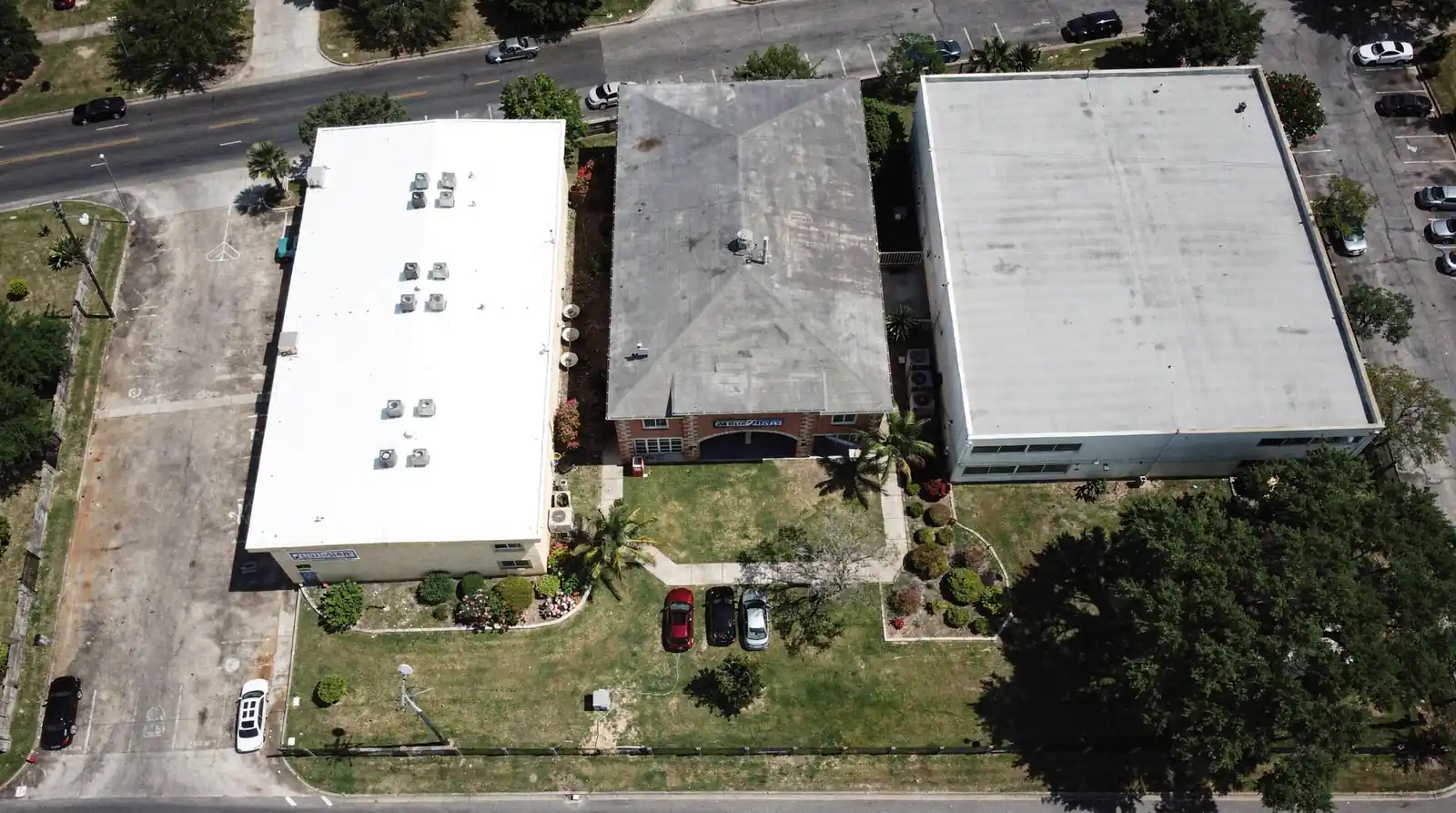
PVC roofing stands apart from TPO and EPDM in chemical resistance, weld strength, and long-term adaptability. Property owners evaluating a low-slope roof replacement typically narrow their choice to these three single-ply membrane systems, since TPO and PVC rank as the two most widely installed options for commercial apartment roofs. EPDM, a synthetic rubber membrane, joins TPO and PVC as one of the three principal single-ply categories facility managers weigh during a reroofing project.
Each system brings distinct strengths to a commercial application:
Factor
PVC
TPO
EPDM
Seam method
Heat-welded
Heat-welded
Adhered/taped
Flexibility
High, via plasticizers
Moderate
High
Best suited for
Facilities needing chemical/grease resistance
Standard low-slope roofs
Budget-focused projects
Which membrane costs the most?
Pricing depends on the roofing system chosen, the building’s size, and the specific materials selected for the project. No single membrane carries a fixed price tag across every job. Facility managers should request project-specific estimates before comparing PVC, TPO, and EPDM budgets.
Is PVC more adaptable to building shape than TPO or EPDM?
Manufacturers enhance pvc roof membrane products with plasticizers, additives that boost flexibility. This makes pvc membrane roofing and pvc roofing panels especially adaptable to irregular rooflines and varied commercial building designs.
Why Choose Cool Roofs for Commercial PVC Installation?
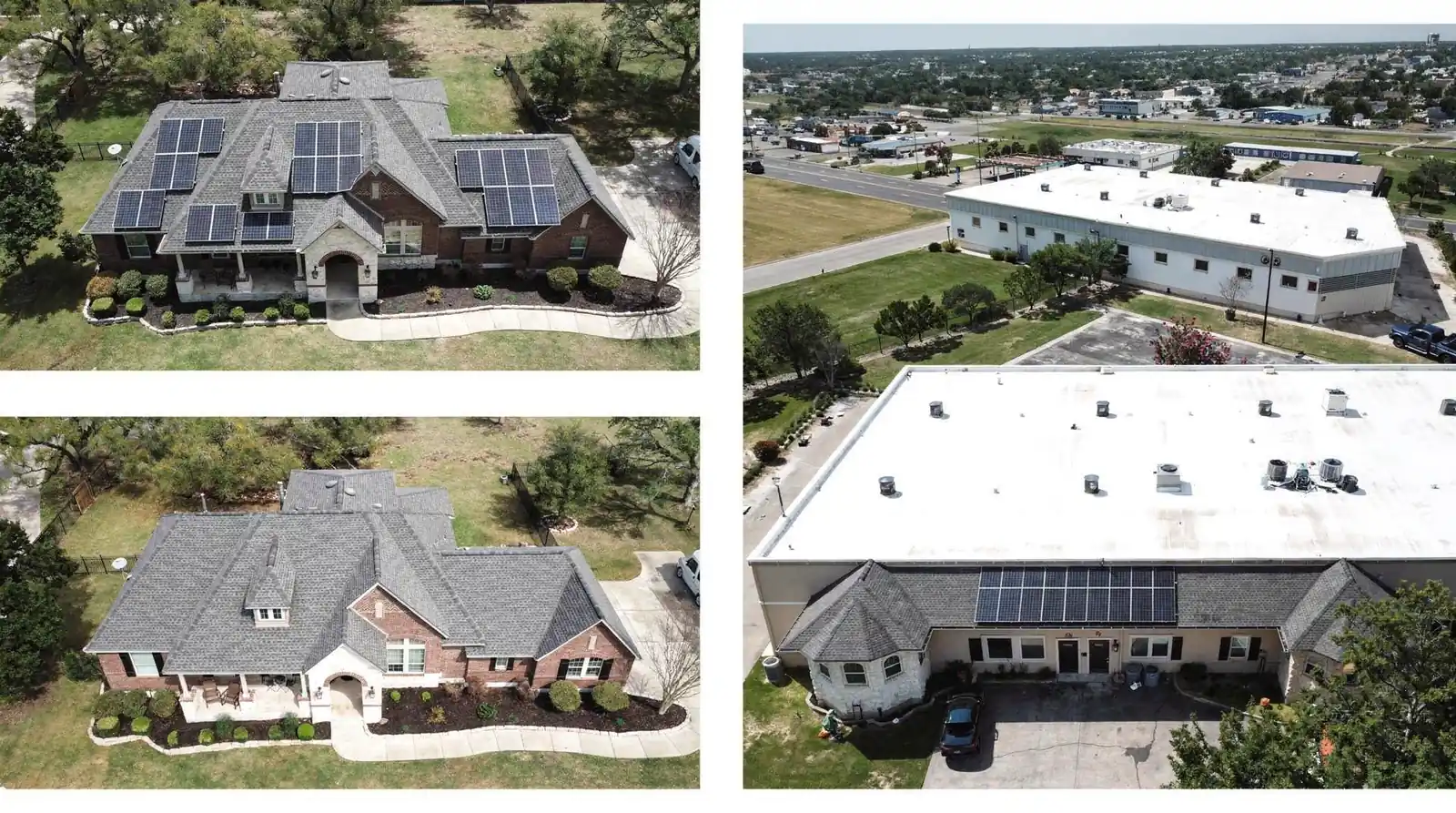
Track record settles the question fast. Cool Roofs Inc. has installed more than 6 million square feet of roofing protection across the commercial properties it serves, backed by over 2,000 completed projects. That volume of finished work gives property managers a documented history to evaluate before committing to a pvc roofing upgrade.
Licensing coverage matters for owners managing buildings across state lines. Cool Roofs Inc. is licensed, insured, and certified in Texas, New Mexico, New Jersey, North Carolina, and Tennessee, which supports multi-state commercial portfolios without gaps in compliance.
Consider these advantages before selecting an installer:
Financing options, including 12-month same-as-cash loans and low-interest long-term plans, help offset the cost of a pvc roof membrane installation.
Free inspections and comprehensive evaluations across Texas, Tennessee, and New Jersey precede any replacement recommendation.
A verified project history reduces the risk of hiring an unproven crew for a large-scale roof system.
Financing options, including 12-month same-as-cash loans and low-interest long-term plans, help offset the cost of a pvc roof membrane installation.
Free inspections and comprehensive evaluations across Texas, Tennessee, and New Jersey precede any replacement recommendation.
A verified project history reduces the risk of hiring an unproven crew for a large-scale roof system.
Does Cool Roofs inspect a roof before recommending PVC membrane roofing?
Yes. Cool Roofs performs comprehensive inspections across Texas, Tennessee, and New Jersey before proposing pvc membrane roofing or any other system. That evaluation identifies whether existing decking, drainage, and insulation can support new pvc roofing panels without costly surprises mid-project.
The Advantages of PVC Roofing Explained
Why is PVC membrane roofing durable for commercial buildings?
Heat-welded seams fuse PVC panels into one continuous, watertight surface. The ethylene, chlorine, and plasticizer blend resists cracking, chemicals, grease, and punctures better than many alternatives.
How does PVC roofing compare to TPO and EPDM?
PVC uses heat-welded seams like TPO but offers higher flexibility and stronger chemical. Grease resistance, making it ideal for facilities with harsh exposure. EPDM relies on adhered or taped seams.
How can building owners evaluate a PVC roofing installer?
Building owners should review a contractor’s track record and welding quality, since seam integrity depends on installation skill. Cool Roofs Inc. holds a 5.0-star rating from over 1,000 verified reviews.
