
When your home is surrounded by large trees, the environment may feel serene and visually appealing—but your roof faces constant challenges. From falling debris to pest infestations and excessive shade, trees can significantly impact the durability and performance of your roofing system. Understanding these risks and adopting the right strategies is essential to prevent roof damage from trees, improve roofing near trees, and manage tree debris on roofs effectively.
At Cool Roofs, we specialize in helping homeowners protect and extend the life of their roofs—even in tree-heavy surroundings. This guide will walk you through key considerations, risks, and professional solutions.
1.Understanding the Impact of Trees on Roofing
Trees add value to your property, but they can also be a major source of roofing issues if not properly managed. Overhanging branches, falling leaves, and limited sunlight exposure create a combination of problems that can weaken your roof over time.
Common issues include:
- Continuous abrasion from branches
- Moisture buildup from debris
- Increased pest activity
- Reduced roof lifespan due to shade
Trees planted too close to homes are one of the leading causes of long-term roofing damage.
Roof Damage from Trees: Key Risks
Falling Branches and Physical Damage
One of the most obvious dangers is falling branches. Even small limbs can crack shingles, while larger branches can cause structural damage or puncture the roof.
- Strong winds can break branches and send them onto your roof
- Heavy limbs can damage gutters, flashing, and decking
- Severe impacts may require full roof replacement
Falling debris is one of the most common causes of roofing damage near trees.
Scraping and Abrasion
Branches that hang over your roof can continuously scrape against shingles, especially during windy conditions.
- Causes granule loss on shingles
- Weakens waterproofing layers
- Leads to leaks and premature aging
Even minor, repeated contact can significantly reduce roof lifespan.
Moisture Retention and Rot
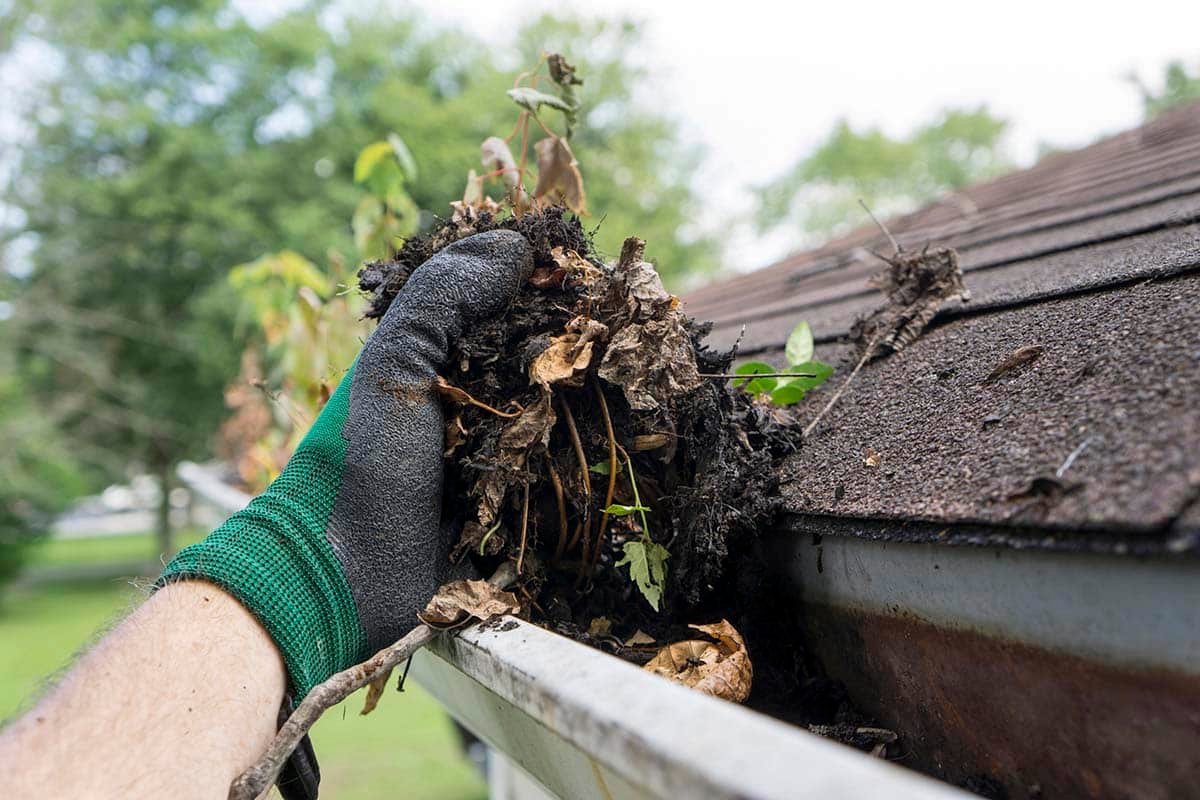
Tree debris such as leaves and twigs often accumulates on roofs, particularly in valleys and gutters.
- Traps moisture and prevents proper drying
- Leads to wood rot and mold growth
- Increases chances of leaks
Clogged gutters can cause water to back up under shingles, damaging the entire roofing system.
2.Tree Debris on Roofs: Hidden Threats
Tree debris is more than just a cleaning inconvenience—it’s a major threat to your roof’s health.
Types of Debris
- Leaves
- Twigs and branches
- Seeds, pine needles, and sap
- Fruits and organic waste
Effects of Debris Accumulation
- Blocks drainage systems
- Adds excess weight to the roof
- Encourages mold, algae, and moss growth
- Accelerates shingle deterioration
Debris acts like a “moisture blanket,” speeding up wear and tear on roofing materials.
3.Shade and Its Impact on Roofing
While shade can reduce indoor cooling costs, it creates unfavorable conditions for your roof.
Problems Caused by Excessive Shade
- Slower drying after rain
- Increased moss and algae growth
- Damp conditions that weaken shingles
Moss thrives in shaded, damp environments and can push shingles apart, allowing water infiltration.
4.Pest Problems from Nearby Trees
Trees provide easy access for pests to reach your roof and attic.
Common Pest Issues
- Squirrels and rodents nesting in roofs
- Birds clogging gutters with nests
- Insects damaging wooden structures
Overhanging branches act as bridges for pests, increasing the risk of infestations and structural damage.
5.Roofing Near Trees: Design & Material Considerations
Choosing the right roofing materials and design can help minimize damage.
Best Roofing Materials for Tree-Covered Homes
- Metal Roofing – Resistant to debris and easy to clean
- Architectural Shingles – Durable and impact-resistant
- Tile Roofing – Strong but requires proper installation
Important Design Features
- Proper roof slope for water drainage
- High-quality gutter systems
- Durable flashing and sealing
At Cool Roofs, we recommend customized roofing solutions based on your property’s tree density and climate.
6.Preventive Measures to Avoid Roof Damage from Trees
Regular Tree Maintenance
- Trim overhanging branches
- Remove dead or weak limbs
- Maintain a safe distance (15–20 feet from roof)
Routine Roof Cleaning
- Remove leaves and debris regularly
- Clean gutters to prevent blockages
- Inspect roof valleys and drainage points
Professional Roof Inspections
- Schedule annual inspections
- Check for early signs of damage
- Address minor issues before they escalate
7. Gutter Protection and Drainage Solutions
Gutters play a crucial role in protecting roofs near trees.
Common Problems
- Clogging from leaves and twigs
- Water overflow and pooling
- Structural damage to fascia boards
Solutions
- Install gutter guards
- Use wider gutters for heavy debris areas
- Ensure proper downspout placement
Proper drainage prevents water from seeping into your roof structure and causing long-term damage.
8. When to Call a Professional Roofing Company
DIY maintenance can only go so far. Professional help ensures long-term protection.
Signs You Need Expert Help
- Visible shingle damage
- Persistent leaks
- Mold or moss growth
- Sagging roof areas
Cool Roofs provides:
- Expert inspections
- Tree-related damage repairs
- Preventive maintenance plans
- High-quality roofing installations
9. Why Choose Cool Roofs?
When dealing with roofing near trees, experience matters. At Cool Roofs, we understand the unique challenges posed by tree-covered properties.
Our Advantages
- Specialized solutions for tree-heavy environments
- High-performance roofing materials
- Skilled professionals and advanced techniques
- Long-term maintenance support
We don’t just fix roofs—we protect your home from future damage.
Conclusion
Homes surrounded by trees require extra attention when it comes to roofing. While trees enhance beauty and comfort, they also introduce risks such as roof damage from trees, tree debris on roofs, and complications related to roofing near trees.
By understanding these challenges and implementing preventive measures like regular maintenance, proper material selection, and professional inspections, you can significantly extend the life of your roof.
Partnering with a trusted brand like Cool Roofs ensures your home remains safe, durable, and visually appealing—no matter how many trees surround it.
❓ FAQs
1. What causes roof damage from trees?
Roof damage from trees is caused by falling branches, debris buildup, and constant friction from overhanging limbs, which weaken roofing materials over time.
2. How can I prevent tree debris on my roof?
Regular tree trimming, routine roof cleaning, and installing gutter guards can effectively reduce tree debris on roofs.
3. Is roofing near trees risky?
Roofing near trees is safe if proper precautions are taken, such as using durable materials and maintaining distance between trees and the roof.
4. What roofing material is best for homes near trees?
Metal roofing and architectural shingles are ideal due to their durability and resistance to debris damage.
5. How often should I inspect my roof near trees?
You should inspect your roof at least twice a year and after heavy storms to catch early signs of damage.
6. Can shade from trees damage my roof?
Yes, shade can trap moisture, leading to moss growth, algae, and faster deterioration of roofing materials.
7. Do trees cause pest problems on roofs?
Yes, overhanging branches allow pests like squirrels and birds to access your roof easily, increasing the risk of infestations.
