
Roof Repair vs. Replacement: How to Decide in Texas
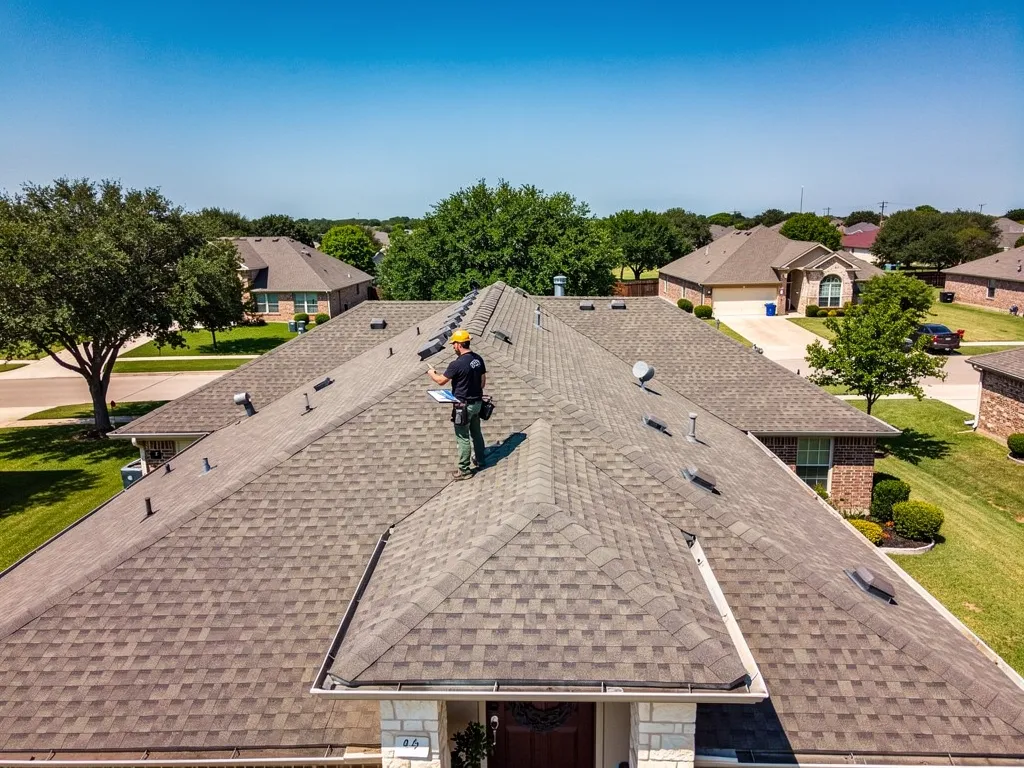
A roofing problem puts every homeowner and building owner in the same uncomfortable position: you know something needs to be done, but you are not sure whether a repair will hold or whether you are throwing good money after bad on a roof that needs to come off anyway.
It is a decision that can mean the difference between a $400 repair call and a $25,000 project – and the wrong call in either direction costs you. Choose repair when replacement is overdue, and you are back on the phone with a roofer in eighteen months. Choose replacement when a repair would have held for another decade, and you spent money you did not need to.
This guide gives you a clear, practical framework for making the right call in Texas – where the combination of hail, UV exposure, heat, and storm activity creates roofing conditions that are more demanding than most other markets in the country. By the end, you will know the key signals for each path, how to think about cost, what age has to do with it, and how to protect yourself whether you repair or replace.
If you want a professional assessment of your specific roof, Cool Roofs offers free inspections for both residential and commercial properties. Visit our Roof Inspection Services page to book yours.
The Core Decision Framework: Repair or Replace?
Before getting into the details, here is the high-level logic that experienced roofing professionals use when assessing a roof:
• Repair when the damage is isolated, the roof has meaningful life remaining, and the repair cost is well below 30% of replacement cost.
• Replace when the damage is widespread, the roof is near or past its expected lifespan, when recurring repairs signal systemic failure, or when repair costs are approaching replacement cost.
• Get a professional inspection first when you are not sure – which is most of the time, because damage that looks minor from a ladder can indicate underlying issues that change the calculus entirely.
The table below gives you a quick-reference guide across the most common roofing situations:
The sections below go deeper on each of these factors.
Roof Age: The Starting Point for Every Decision
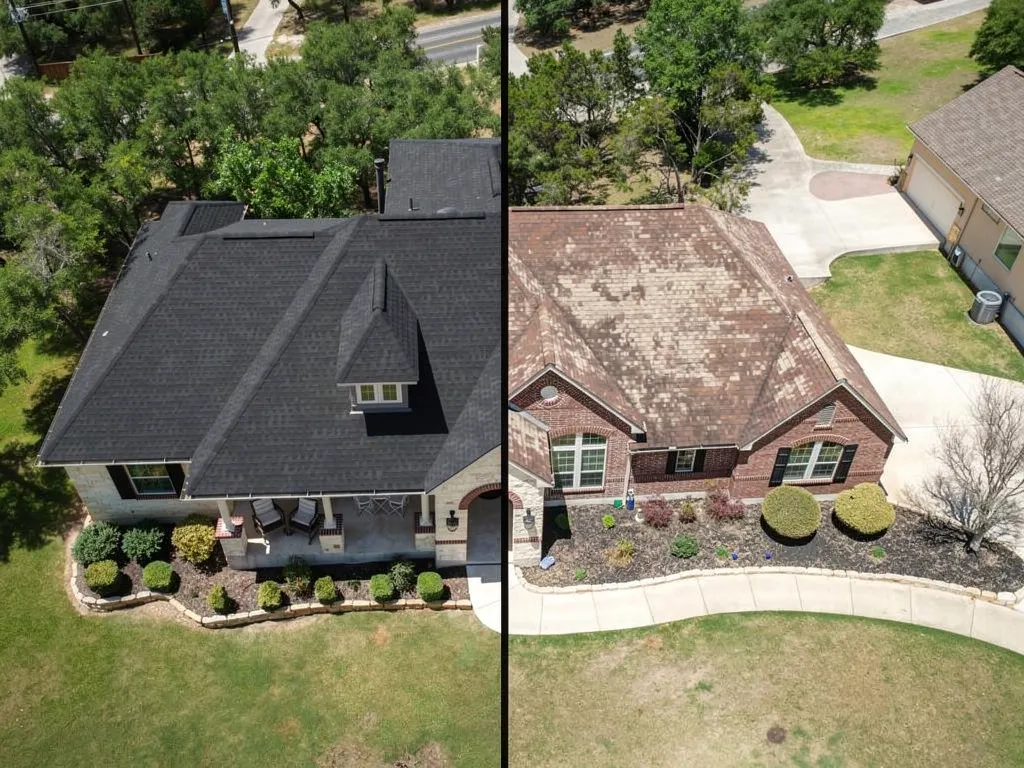
Age does not determine the right answer – but it sets the context for every other factor. A 5-year-old roof with storm damage should almost always be repaired. A 22-year-old roof with the same storm damage needs a more careful evaluation.
Here is a realistic lifespan guide for common roofing materials in Texas, along with the general repair and replacement windows:
Texas compresses these timelines slightly. The state’s combination of intense UV radiation, summer temperatures that routinely exceed 100 degrees F, and regular hail and wind events accelerates the normal wear cycle. A 3-tab asphalt roof that might reach 20 years in a moderate climate will more realistically deliver 15-17 years of reliable performance in Texas without intervention.
The practical implication: if your roof is within 3-5 years of the end of its expected lifespan, factor that into the repair-versus-replace calculation even if the current damage is minor. Spending $800 on a repair today to replace the roof in 18 months rarely makes financial sense – particularly if the repair does not address the underlying age-related degradation that will cause the next issue.
7 Signs Roof Repair Is the Right Call
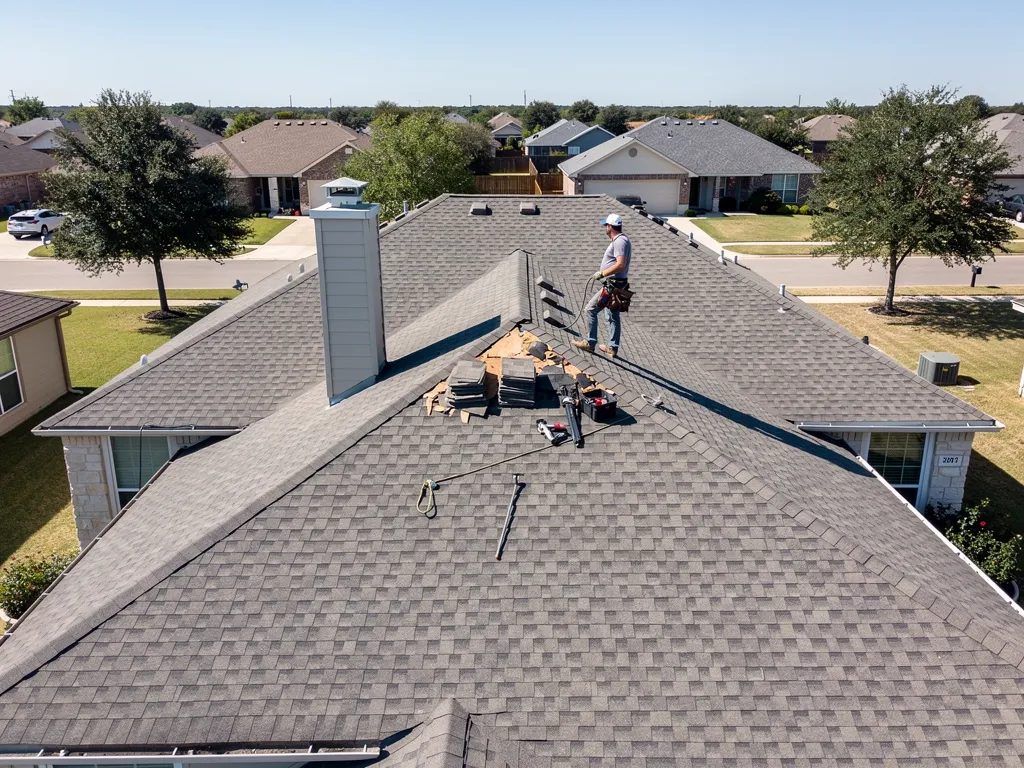
These are the conditions where repair is the appropriate, cost-effective response – provided the rest of the roof is in sound condition.
1. The Damage Is Isolated to a Small Area
Wind lifts a handful of shingles. A tree limb punches through a corner of the roof. A flashing seal fails around a vent pipe. These are localized failures that do not reflect the condition of the rest of the roof. A targeted repair addresses the specific problem without disturbing a roof that is otherwise performing well.
The key qualifier is that the surrounding roof must actually be in good condition. A repair technician who does not assess the broader roof beyond the damaged spot cannot give you an honest answer about whether the repair will hold.
2. The Roof Is Less Than 10-12 Years Old
A relatively new roof with storm damage, a manufacturing defect, or installation error is almost always a repair candidate – not a replacement. At this age, the shingles or membrane have the majority of their useful life ahead of them. The damage is the problem, not the roof system as a whole.
3. A Single Leak With an Identifiable Source
One active leak that can be traced to a specific, fixable cause – a lifted flashing, a cracked vent boot, a missing shingle – is a repair situation. The danger with leaks is assuming a single visible entry point means a single problem. A professional inspection confirms whether the leak is truly isolated before repair work begins.
Our Roof Leak Repair team handles emergency and scheduled leak response for both residential and commercial roofs across Texas, with same-day service in most markets.
4. Storm Damage on an Otherwise Sound Roof
Hail and wind events cause damage that can look alarming but may affect only the surface layer of an otherwise structurally sound roof. Impact dents on metal flashing, cracked shingles in a localized pattern, or granule loss confined to one roof section after a storm are repair scenarios – provided the underlying deck and membrane are intact.
After any significant hail or wind event, a professional inspection documents the damage accurately and – if insurance is involved – provides the evidence needed for a claim. See our Storm Damage Repair page for how Cool Roofs handles post-storm assessment and insurance documentation across Texas.
5. The Repair Cost Is Well Under 30% of Replacement
A common rule of thumb in the roofing industry: if the repair costs less than 30% of what replacement would cost, repair is typically the right call – assuming the roof has meaningful life remaining. If repair costs are creeping toward 50% or more of replacement cost, replacement almost always delivers better long-term value.
6. The Roof Has Been Well Maintained
A roof that has received regular inspections and had minor issues addressed promptly is a very different candidate than one that has been ignored for years. Well-maintained roofs age more predictably, and a repair on a well-maintained system is more likely to hold as intended. Deferred-maintenance roofs often have compounding issues that make targeted repairs less reliable.
7. You Plan to Stay in the Property Long-Term
If you plan to own the property for 10+ more years and the roof has remaining life, repairing a localized issue preserves that remaining lifespan rather than replacing a functional system prematurely. The calculus shifts if you plan to sell within 1-3 years – in that case, the buyer’s perception and inspection report matter more than the remaining shingle life.
8 Signs Roof Replacement Is the Right Call
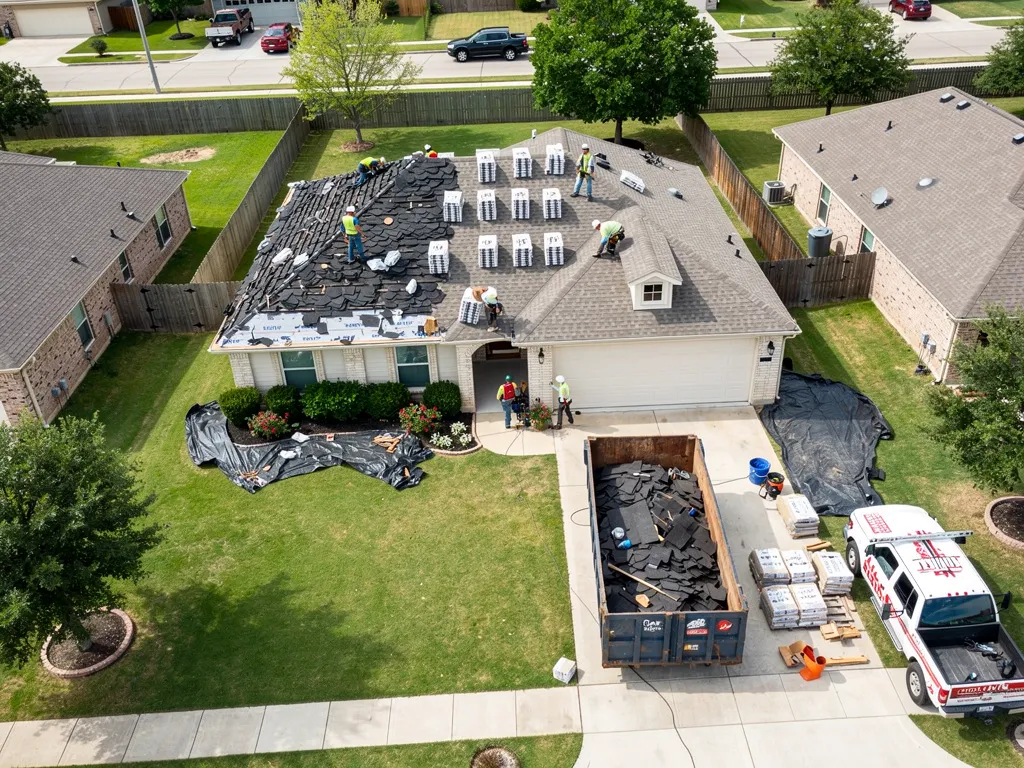
These are the conditions where replacement is the genuinely smarter investment – even when a repair could temporarily address the immediate symptom.
1. The Roof Is Near or Past Its Expected Lifespan
A 3-tab asphalt roof at 18 years in Texas is in its twilight years regardless of how it looks from the street. At this stage, any significant repair investment is layering money into a system that will need replacement within a few years regardless. Replacement now – on your terms, with your choice of materials – is almost always more cost-effective than reactive emergency replacement later.
2. Widespread Granule Loss
Granules are the UV and impact protection layer on asphalt shingles. When they wash off – visible in gutters as dark grit, or as bare, shiny patches on the shingles themselves – the underlying asphalt is directly exposed to the Texas sun. Widespread granule loss across the roof surface is not a patchable problem; it indicates the entire shingle layer has reached the end of its protective life.
Check your gutters after heavy rain. Heavy granule accumulation, especially in a roof under 15 years old, may indicate accelerated wear from a previous hail event – and is a signal to get a professional inspection scheduled.
3. Shingles Are Curling, Cracking, or Buckling Across the Roof
Individual curled or cracked shingles can be replaced. But when curling, cracking, or buckling is visible across multiple areas of the roof, it indicates thermal aging and material breakdown that is systemic – not isolated. Patching individual shingles on a roof with widespread curling does not address the underlying problem.
4. Multiple Leaks or Leaks Reappearing After Previous Repair
One leak in one location is a repair. Two or more leaks in different locations – or a leak that has been repaired before and is coming back – signals that the roof membrane or shingle layer has degraded to the point where multiple failure points are developing simultaneously. At this stage, each repair is buying weeks or months, not years.
5. Visible Sagging or Structural Deck Damage
Sagging in the roofline – visible from the ground as a dip or wave in what should be a straight line – indicates structural problems in the deck below the roofing material. This is beyond the scope of a surface repair. The deck must be addressed, which typically requires roof tear-off and replacement of damaged decking sections before a new system is installed.
If you notice sagging, do not delay. Structural deck failure can lead to collapse under load – heavy rain, standing water, or added weight from a new roof layer.
6. Significant Storm Damage Across the Entire Roof
When a hail or wind event is severe enough to affect the majority of the roof surface – not just a corner or one slope – replacement is typically both the right repair response and the most insurance-appropriate path. Widespread hail damage that affects the granule layer across the entire roof cannot be addressed with localized patching.
In these situations, your homeowners insurance policy is typically the funding mechanism. Cool Roofs works directly with insurance adjusters to document storm damage accurately and ensure you receive the coverage you are entitled to. Learn more on our Storm Damage Repair page.
7. The Repair Cost Is Approaching Replacement Cost
When a contractor quotes a repair at 40-50% or more of what a full replacement would cost, replacement almost always makes more financial sense. You get a new system with a full warranty, a clean inspection report, and years of life ahead – rather than a patched old system with diminishing returns.
8. You Are Planning to Sell the Property
A roof near end of life is one of the most common inspection red flags that triggers buyer renegotiation, credit requests, or deals falling apart entirely. If you are listing within the next 1-3 years and the roof is 15+ years old, replacement proactively – especially with a premium material – protects your asking price, eliminates a major inspection objection, and may qualify for insurance discounts that make the home more attractive to buyers.
For a deeper look at roofing ROI at resale, see our article: Does a Luxury Roof Increase Home Value in Texas?.
Roof Repair and Replacement Cost Guide for Texas
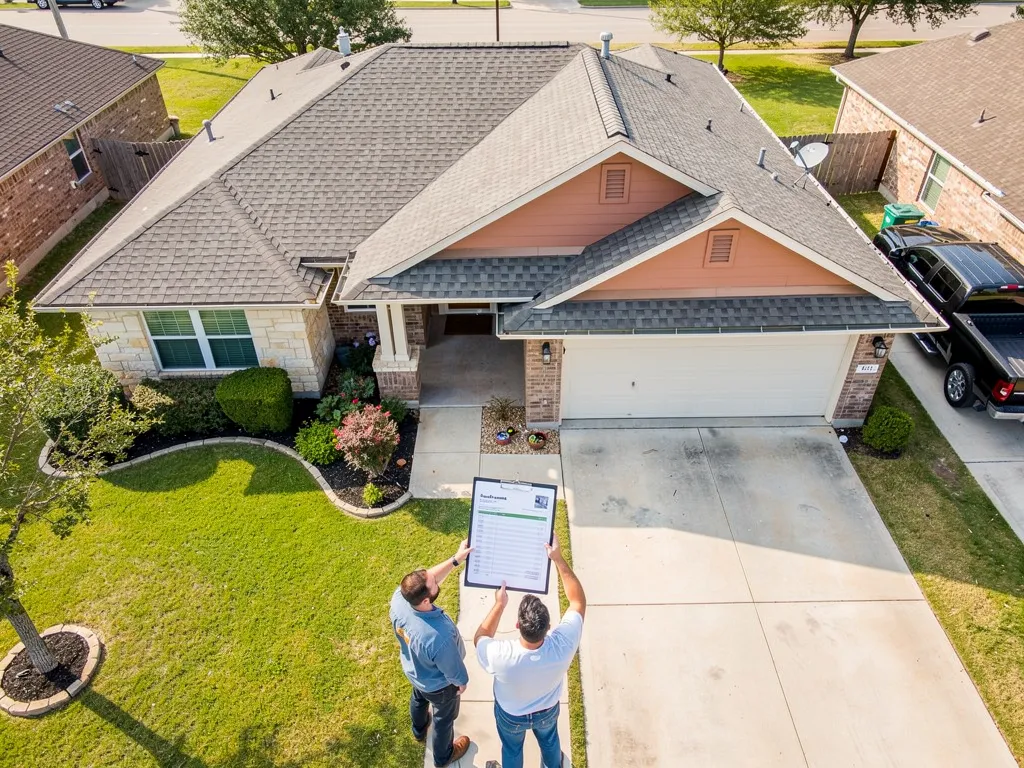
Here is a realistic cost reference for common repair and replacement scenarios across Texas markets:
Important: These are general ranges based on Texas market conditions as of 2026. Actual cost depends on your specific roof, the contractor, material specifications, and local market conditions. The only accurate figure for your situation is a professional inspection and detailed proposal.
The 30% Rule in Practice
If your roof is 12 years old and a repair quote comes in at $2,500 – but a replacement quote for the same roof is $18,000 – the repair cost is about 14% of replacement cost. With 8-10 years of potential life remaining, repair is clearly the right call.
If the same roof has a repair quote of $6,500 and a replacement quote of $18,000, the repair is 36% of replacement cost. At that ratio, especially with only 8 years of potential life remaining, replacement begins to make better financial sense – particularly if you are planning to stay in the home.
Texas-Specific Factors That Affect the Decision
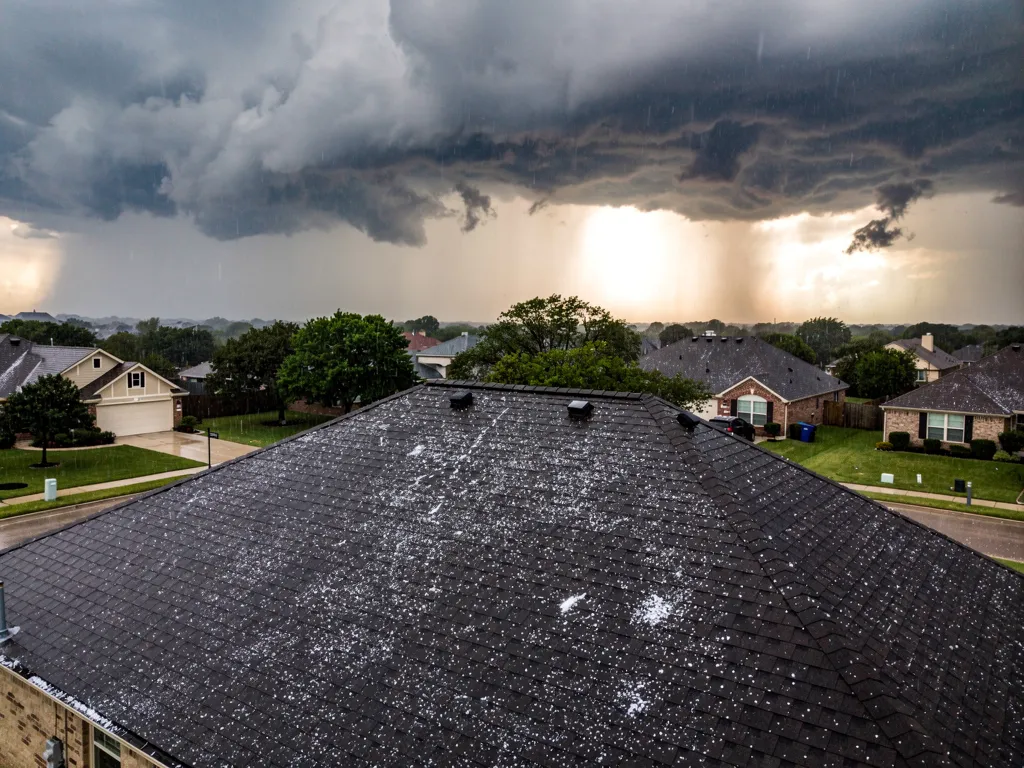
Texas homeowners face roofing conditions that do not apply everywhere. These factors specifically affect how you should weigh repair versus replacement.
Hail Is the #1 Roof Damage Cause in Texas
Texas leads the nation in hail-related insurance claims. The Dallas-Fort Worth area, San Antonio, Austin, and the Hill Country all sit in zones of frequent severe hail. Hail damage is unique because it can be significant without looking significant from the ground. Dented flashing, cracked shingles, and bruised membrane are often only visible on a close inspection of the roof surface.
After any hail event of 1 inch or larger, a professional inspection is worth scheduling regardless of what you can see from below. Insurance claims for hail damage typically have a deadline – often one year from the event – and unclaimed damage that later causes leaks may not be covered.
UV and Heat Accelerate Wear
Texas’s UV intensity and summer temperatures put more thermal stress on roofing materials than most other markets. Standard 3-tab asphalt, in particular, ages faster in Texas than its rated lifespan suggests. If you are replacing a roof on a Texas home, stepping up to a 30-year architectural shingle, a designer product, or a metal system is almost always worth the additional investment – you get meaningfully more years of reliable life for a fraction of the cost difference.
Our Luxury Roofing page and Residential Roofing Shingle Repair page cover both premium material options and repair services for existing residential systems.
Insurance Plays a Larger Role in Texas Than Most States
Texas homeowners insurance policies vary significantly in how they handle roof damage – particularly older roofs. Some policies pay actual cash value (depreciated value) rather than replacement cost once a roof passes a certain age, which can significantly affect what you receive in a claim.
Understanding your policy before a storm hits – and knowing whether your roof qualifies for a replacement-cost claim – affects whether repair or replacement is the financially optimal choice after damage. A roofing contractor who works with insurance adjusters and understands policy language is a meaningful advantage when a claim is involved.
Selling in a Competitive Texas Market
Austin, Houston, San Antonio, and DFW are competitive real estate markets with educated buyers. A roof inspection report that flags age or condition gives buyers negotiating leverage – and in a cooling market, that leverage can mean price reductions or concessions that exceed what a replacement would have cost. Sellers who address the roof proactively protect their asking price and shorten time on market.
Cool Roofs serves homeowners across Austin, Houston, San Antonio, Fort Worth, New Braunfels, and Beaumont.
Why a Professional Inspection Changes Everything
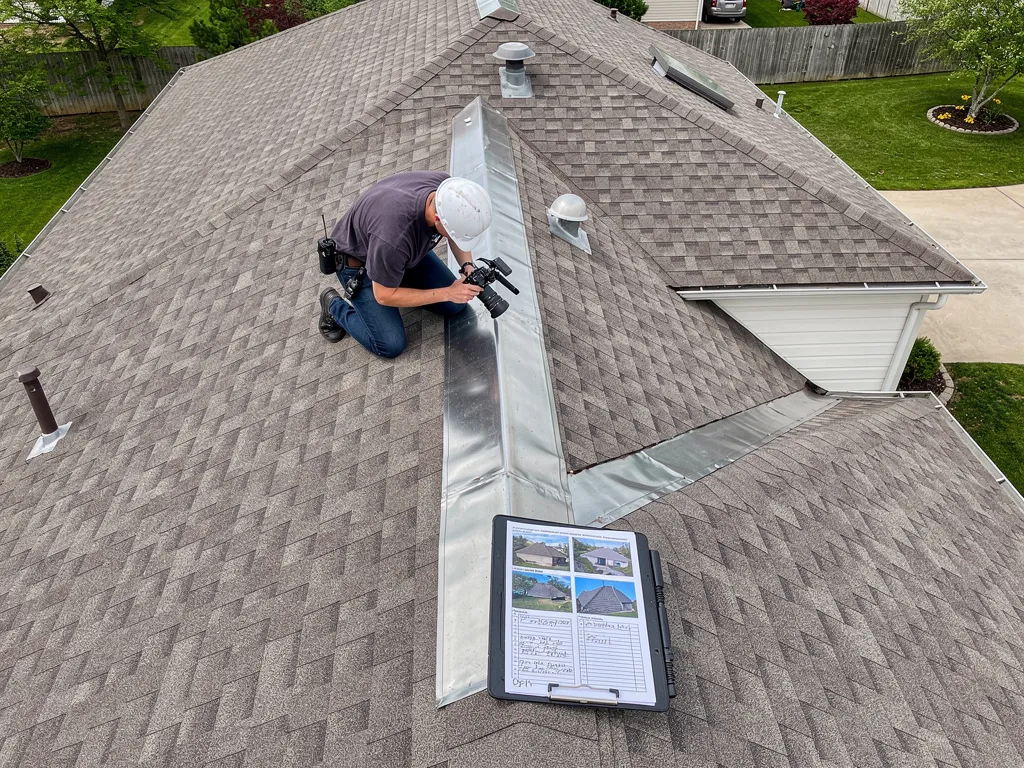
The single most common mistake homeowners make in the repair-versus-replace decision is making it without a professional inspection.
Here is what a proper roof inspection reveals that you cannot see from the ground or a casual ladder look:
• Deck condition: Soft spots, rot, or rust in the structural deck indicate problems that surface repairs do not address. This information is only discoverable through close inspection.
• Moisture in the insulation or underlayment: Water that has penetrated the shingle layer and reached the underlayment or insulation may not yet be showing as an interior ceiling stain – but it is doing damage. Infrared scanning can identify it.
• True extent of hail damage: Hail bruising on asphalt shingles is often invisible from below but clearly visible on close inspection. Documenting this accurately is critical for insurance claims.
• Flashing condition at all penetrations: Flashings around chimneys, vents, skylights, and HVAC equipment are the most common active leak sources and the most commonly overlooked in self-assessments.
• Remaining useful life estimate: An experienced inspector can give you a realistic estimate of how many years the current system has remaining – information that directly affects whether repair makes financial sense.
Cool Roofs’ Residential Roof Inspection Services include a full photo-documented report, condition assessment, and transparent recommendation – repair, maintenance, or replacement – with no pressure and no obligation. If the inspection finds nothing requiring action, we tell you that too.
If You Decide to Replace: Choosing the Right Material for Texas
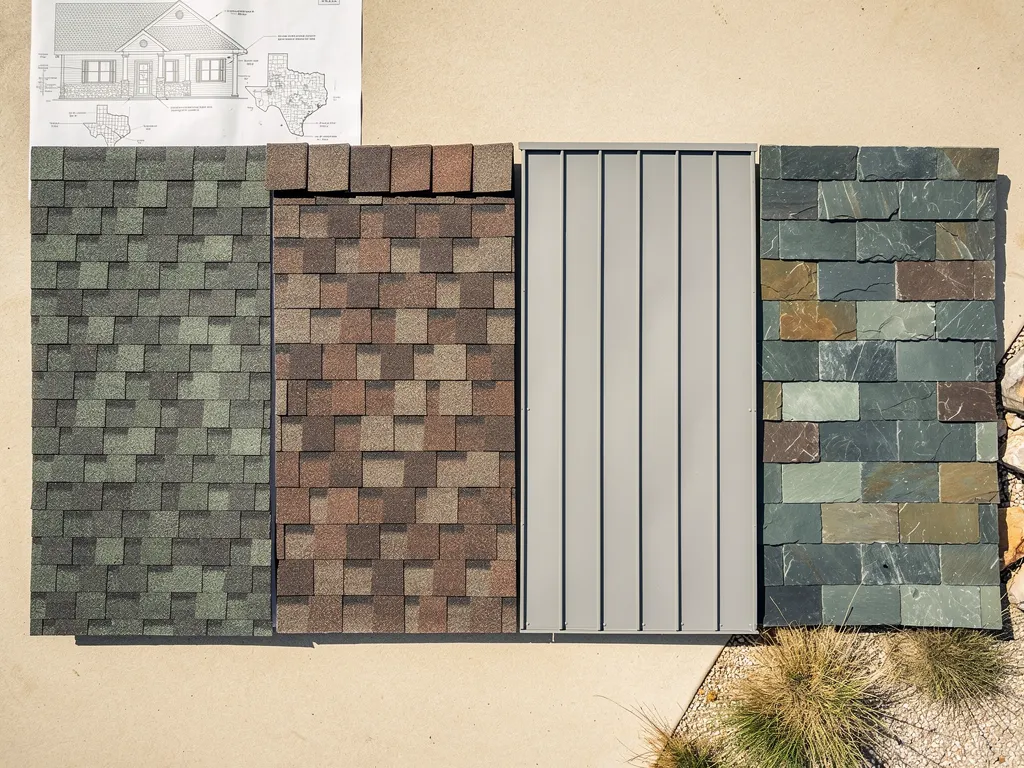
If replacement is the right call, the material decision matters significantly – especially in Texas. The cheapest option upfront is rarely the best value over the life of the roof.
Standard 3-Tab Asphalt Shingles
The minimum-spec residential option. Typically carries a 20-25 year rated lifespan, though real-world Texas performance is often 15-18 years. Lowest upfront cost but highest lifetime cost due to earlier replacement cycles. Generally not recommended for Texas homeowners unless budget is the absolute primary constraint.
Architectural (Dimensional) Shingles
The most common replacement choice for Texas homes today. Thicker profile, better wind and impact resistance, and 25-30 year rated lifespans at a modest cost premium over 3-tab. A significant step up in value without reaching premium material price points. This is typically the right baseline for most Texas homeowners replacing a standard residential roof.
Impact-Resistant Shingles (Class 3 and Class 4)
Class 3 and Class 4 impact-resistant shingles are specifically engineered to resist hail damage. In Texas, where hail is the leading cause of residential roof insurance claims, an impact-resistant shingle can qualify for a meaningful homeowners insurance premium discount – often enough to offset the cost premium over standard shingles within 5-7 years.
If your insurer offers a discount for Class 4 impact-rated roofing, the math almost always favors the upgrade. Ask your insurance agent before finalizing your material choice.
Premium and Luxury Materials
Standing seam metal, DaVinci composite shake, natural slate-look tiles, and premium designer shingles deliver the longest lifespan, best energy performance, and strongest curb appeal. These materials are the right choice when longevity, aesthetics, and resale value are priorities – and for higher-value Texas homes, the investment consistently delivers strong ROI. Our Luxury Roofing page covers the full range of premium options and what to expect from the installation process.
Further Reading From the Cool Roofs Blog
• Does a Luxury Roof Increase Home Value in Texas?
• What to Expect From a Luxury Roof Installation in Texas
• Roof Restoration vs. Replacement: Which Saves More?
• How Commercial Roof Restoration Works Step by Step
• Roofing Considerations for Homes Surrounded by Large Trees
Frequently Asked Questions
How do I know if my roof needs repair or replacement?
Start with a professional inspection – it is the only way to get an accurate picture of the roof’s condition beneath the surface. As a general guide: roofs under 10-12 years old with isolated damage almost always warrant repair; roofs 15+ years old with recurring issues, widespread granule loss, or multiple leak sources typically warrant replacement. The 30% rule helps too – if repair costs exceed 30% of replacement cost, replacement usually delivers better value.
How long does a roof repair last?
A quality repair done on a sound roof by an experienced contractor should last the remaining useful life of the surrounding roof – potentially 10-15 years. A repair on an aging roof with systemic issues may hold for 1-3 years before adjacent areas develop new problems. The durability of a repair is largely a function of the roof’s overall condition, not just the quality of the repair itself.
Can I repair just part of my roof?
Yes – and in many situations it is exactly the right call. Partial repairs or re-roofing of a single slope are common when one area has been damaged or has aged faster than the rest. The key consideration is whether the repaired shingles will match the existing ones aesthetically, and whether the rest of the roof has enough remaining life to make a partial repair worthwhile. A professional inspection answers both questions.
Does homeowners insurance cover roof repair or replacement in Texas?
It depends on the cause of damage and your policy terms. In Texas, storm damage – hail, wind, falling objects – is typically covered. Wear and tear or age-related deterioration is not. Some Texas policies have shifted to actual cash value (depreciated value) coverage for older roofs rather than replacement cost coverage, which affects what you receive in a claim. Review your policy and speak with your agent before assuming coverage after damage.
Is it worth repairing a 15-year-old roof in Texas?
It depends on the material and condition. A 15-year-old architectural shingle roof in good overall condition with isolated storm damage is a reasonable repair candidate – it likely has 10+ years of life remaining with proper maintenance. A 15-year-old 3-tab asphalt roof in Texas with multiple issues is approaching end of life and may be a better replacement candidate. A professional inspection gives you the honest answer for your specific roof.
What happens if I ignore a roof repair?
Small issues compound quickly in Texas weather. A minor leak that goes unaddressed for one rainy season can saturate insulation, damage the structural deck, and cause interior ceiling and drywall damage that multiplies the repair cost many times over. A $400 flashing repair ignored for a year can become a $5,000 water damage remediation project. Prompt action on identified issues is always the most cost-effective approach.
How do I get a free roof inspection in Texas?
Cool Roofs offers free residential and commercial roof inspections – a $499 value at no charge – with no obligation. Our inspectors provide a full photo-documented condition report, an honest assessment of whether repair or replacement is appropriate, and a transparent, itemized proposal. Visit our free quote page or call 844-939-2665 to schedule.
Ready to Get a Professional Opinion on Your Roof?
The repair-versus-replacement decision does not have to be a guess. A professional inspection gives you the information you need to make the right call confidently – whether that is a targeted repair that protects a roof with years of life remaining, or a replacement that sets your property up for the next 20-30 years.
Cool Roofs has completed 2,000+ residential and commercial roofing projects across Texas, with 1,000+ five-star reviews and a team of certified inspectors who give you an honest assessment – not a sales pitch.
Explore our residential services:
Or call 844-939-2665 to book your free inspection today. We serve homeowners and property managers across Austin, Houston, San Antonio, Fort Worth, New Braunfels, Beaumont, and Memphis.