Determining the age of your roof is critical for understanding its remaining lifespan, anticipating necessary maintenance, and planning for eventual replacement. The lifespan of a roof varies depending on materials, installation quality, and environmental factors. Knowing how to assess your roof’s condition can save you from unexpected costs and help maintain your home’s integrity.
If you’ve ever wondered about your roof’s age, you’re not alone. Many homeowners find themselves questioning the longevity of their roof, particularly when facing potential leaks or visible damage. Assessing the age of your roof involves looking for telltale signs of wear and tear, consulting professional inspections, and understanding the documentation related to your home’s roofing history.
Key Takeaways
Identifying the age of your roof is crucial for planning maintenance and replacements.
Visible wear, professional assessments, and historical documents are key to determining roof age.
Regular maintenance may extend the life of your roof and delay the need for replacement.
Understanding Roof Lifespan
When considering the longevity of your roof, it’s crucial to understand that several factors contribute to how long it will last. By being informed about these factors and the materials involved, you can have a realistic expectation for the lifespan of your roof.
Factors Affecting Roof Longevity
Workmanship and Installation Quality: The skill and care put into the installation of your roof can significantly impact its lifespan. Poor installation can lead to a host of problems that prematurely age your roof.
Environmental Conditions: Your local weather patterns, such as extreme temperatures, heavy snowfall, or high winds, play a major role in determining how long your roof can withstand the elements before needing replacement.
Average Lifespan of Different Roofing Materials
Asphalt Shingles: This common roofing material has a lifespan of around 20 to 25 years if it is installed correctly and maintained properly.
Metal Roofing: Known for its durability, metal roofs can last approximately 40 to 70 years. Their resilience makes them a popular choice for areas prone to severe weather.
Tile Roofs: Comprising materials like clay or concrete, these roofs are not only aesthetically pleasing but also extremely durable, with lifespans that can exceed 50 years.
Remember, a roof’s durability and longevity are contingent on a confluence of materials quality and environmental factors. Still, these average lifespans provide a solid baseline for your expectations.
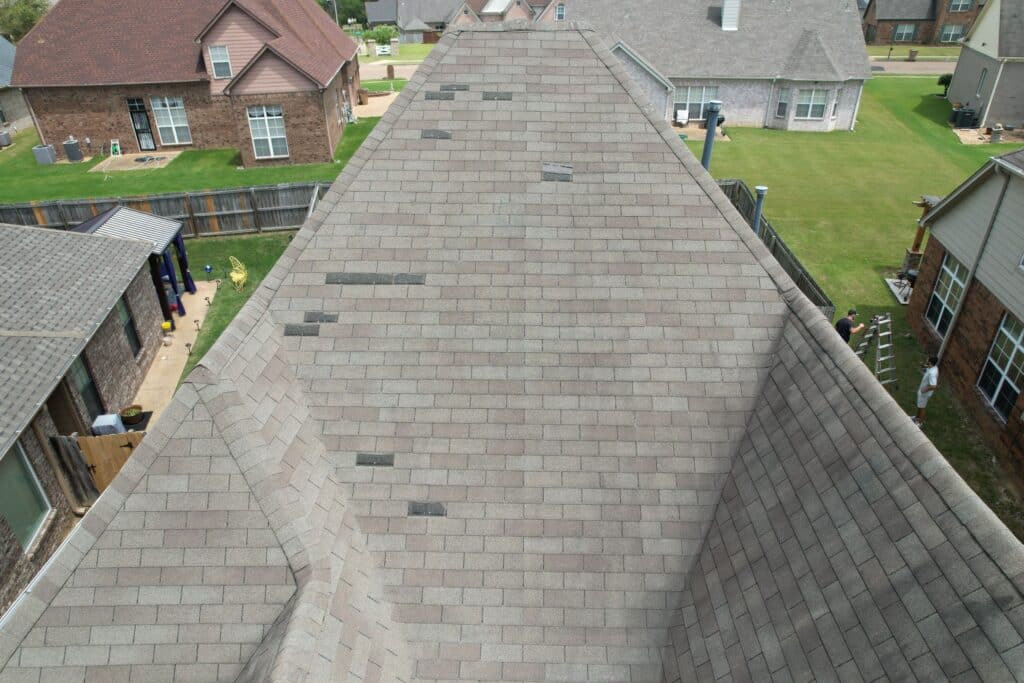
See the missing shingles? Hard to review from the ground, but with the proper inspection, you can have eyes on all your shingles.
Signs of an Aging Roof
Recognizing the signs of an aging roof can help you address potential issues before they lead to significant damage. A careful assessment focused on specific factors is essential in determining the true condition of your roof.
Visual Inspection Points
Conducting a visual inspection is a critical first step in assessing your roof’s condition. Here’s what to look for:
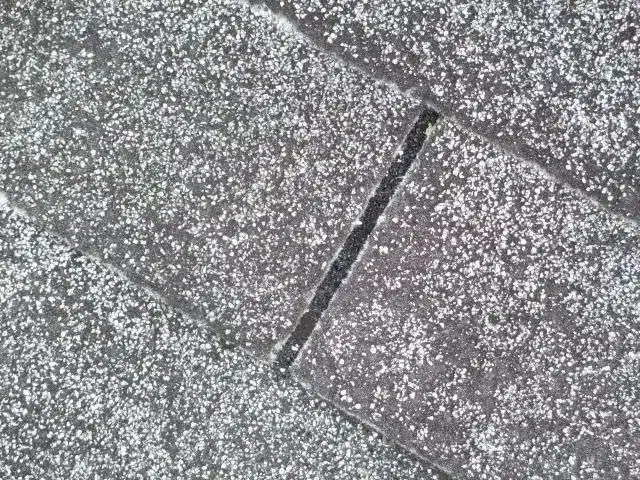
Missing Shingles: Check for any gaps where shingles may have fallen off.
Curling Shingles: Notice if shingle edges are turning upward or the middle is coming up, which is a sign of possible leaks or wind damage.
Buckling: Look for shingles that are visibly lifted, which could indicate moisture in the attic or poor installation.
Granule Loss: Examine your gutters and downspouts for excessive shingle granules, a sign that your roof’s protective layer is wearing away.
Common Aging Indicators
Aging roofs show common patterns of wear and tear that signal it may be time to act:
Widespread Granule Loss: A sparse coating of granules on the shingles exposes the asphalt, leading to accelerated aging.
Curling or Buckling Shingles: These defects allow for water seepage, which can cause rot and mold.
By identifying these signs early, you’ll be able to determine if repairs or a full roof replacement is necessary.
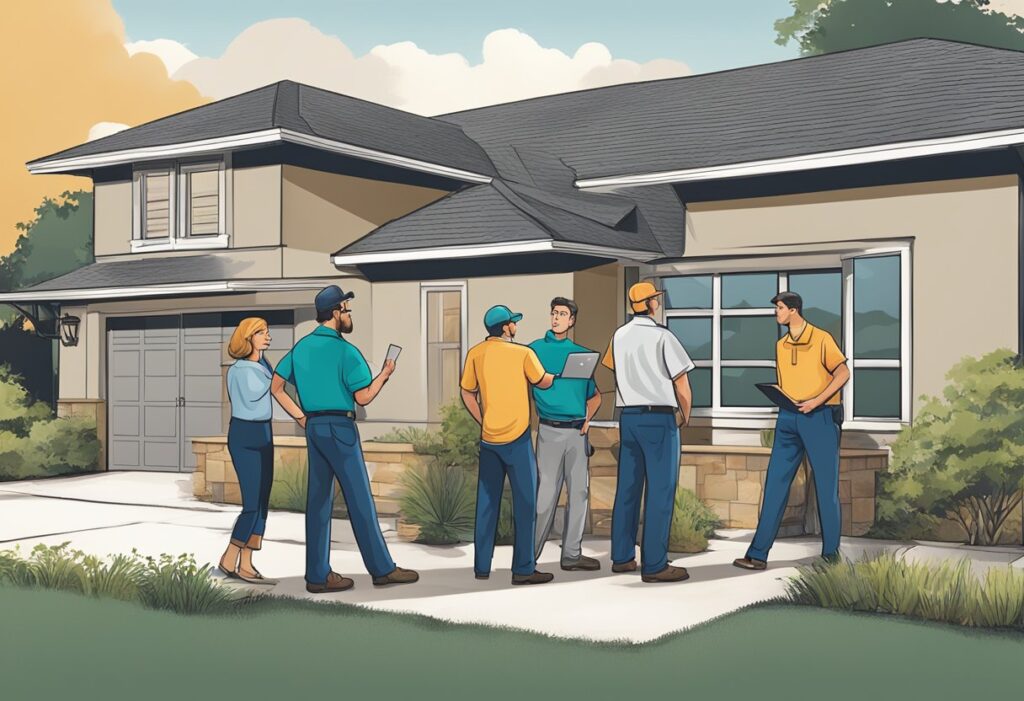
You should schedule an inspection if you’re purchasing a new home, after a major storm, or as part of your regular home maintenance routine. Ideally, have your roof inspected once every few years, or annually if the roof is older or in an area with frequent severe weather.
What Inspectors Look For
During a roof inspection, professionals look for several key indicators of a roof’s condition:
Structural Inspection: The inspector will check for uneven roof planes and signs of sagging, as well as the condition of soffit, fascia, and gutter system.
Material Inspection: Here, they will look for loose, missing, or curling shingles; stains; moss; rust; and missing flashing or fasteners.
Interior Inspection: This involves examining the attic for proper insulation, ventilation, moisture, and mold which could indicate roof leaks.
Workmanship Inspection: Inspectors assess the quality of installation to ensure that poor workmanship hasn’t led to any problems that could cause leaks or other roof damage.
A thorough report from your inspection will highlight any current problems or potential concerns, allowing you to address issues before they lead to serious damage.
Identifying Roof Damage
When evaluating the condition of your roof, it’s vital for you to recognize signs of damage. Timely identification can prevent minor issues from becoming severe.
Weather-Induced Damage
High Winds: Strong winds can tear or lift shingles from your roof, leaving it vulnerable to further harm. After a storm, check for missing, cracked, or curled shingles.
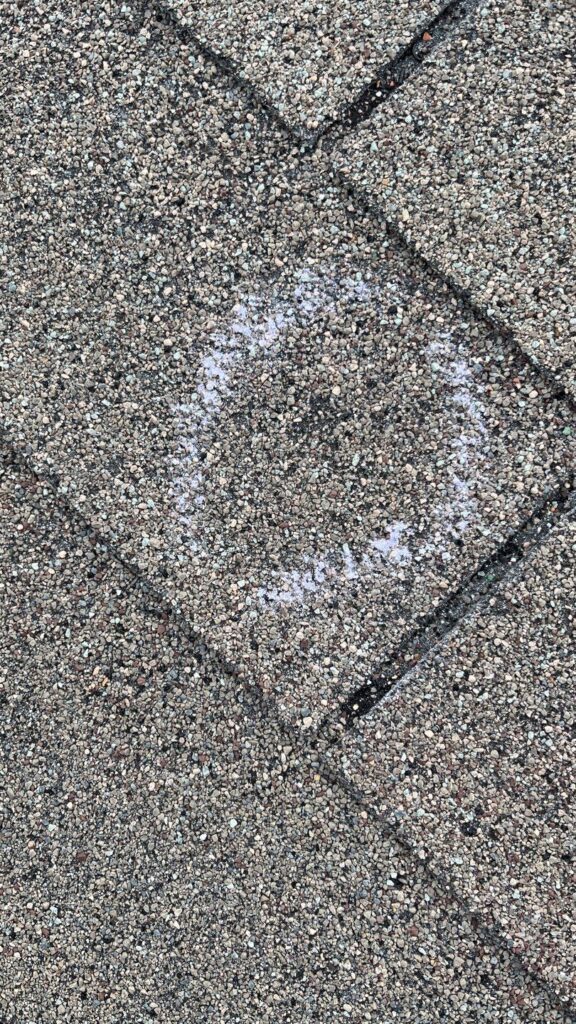
Hail: Hail can create dimples or bruising in shingles. These spots are where the granules have been knocked off, possibly exposing the underlayment.
Visual Inspection: Regularly inspect your shingles for signs of weather damage, such as discoloration or missing granules, which can indicate the age and health of your roof.
Water-Related Issues
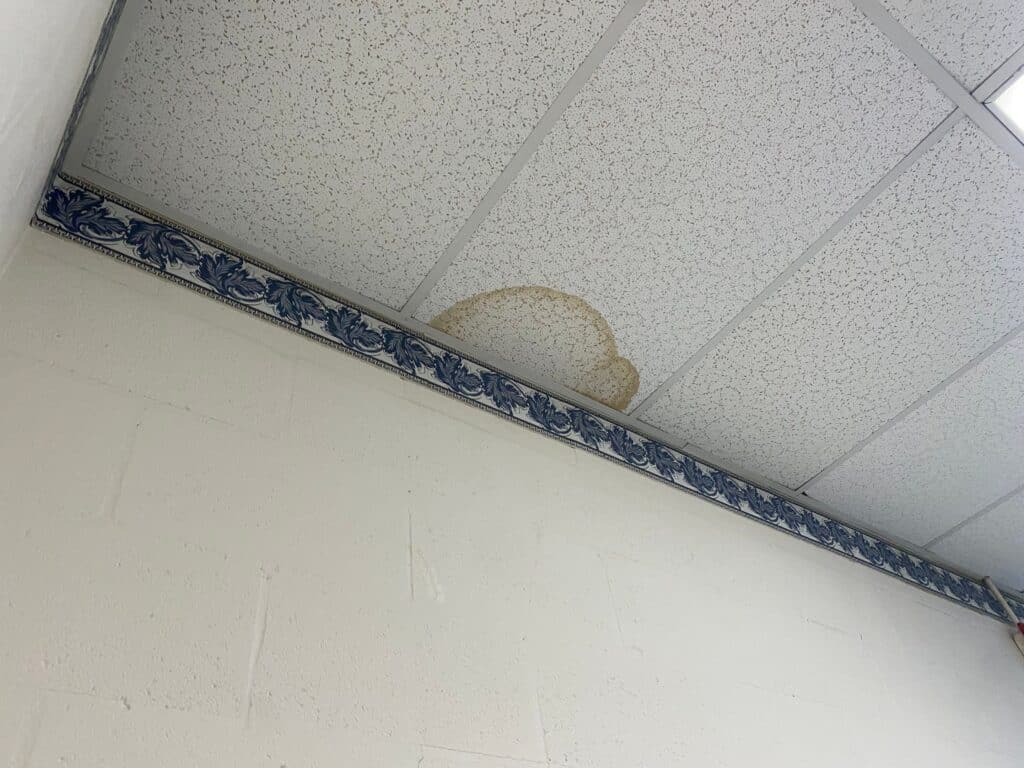
Leaks: Keep an eye out for signs of leaks or water damage inside your home, like water stains on ceilings or walls.
Exterior Inspection: Examine the roof for sagging areas or rotting boards, particularly where water may pool or collect.
Moss and Algae: The presence of moss or algae growth can retain moisture against roof surfaces, possibly leading to rot. If you see extensive moss or algae, it’s a sign that there might be trapped moisture, which can damage the roof structure over time.
Note: To mitigate water-related issues, ensure gutters and downspouts are clear of debris to prevent water backing up onto the roof.
Remember, identifying roof damage early can save you from costly repairs in the future.
Maintenance and Repairs
Maintaining your roof is essential for prolonging its life and ensuring its effectiveness in sheltering your home. Regular maintenance can pre-empt costly repairs and manage the inevitable wear and tear that occurs over time.
Routine Upkeep Steps
Inspect: Biannually inspect your roof for signs of damage, such as missing, loose, or worn shingles.
Clean: Remove debris, such as leaves and twigs, from gutters to prevent water buildup and damage.
Trim Trees: Keeping nearby trees trimmed back can prevent mechanical damage to roofing materials.
Dealing with Wear and Tear
Identify Issues: Look for missing shingles, cracked caulk, or rust spots on flashing.
Proactive Repairs: Addressing small issues quickly can prevent them from becoming larger, more expensive problems.
Remember, consistent maintenance and prompt attention to repairs can extend the lifetime of your roof and prevent interior home damage.
Roof Replacement Considerations
When considering a roof replacement, it’s pivotal to conduct a thorough evaluation to determine the necessity of the project and to select a qualified roofing contractor to ensure quality workmanship.
Evaluating Replacement Needs
Before deciding on a roof replacement, it’s essential to assess whether the replacement is indeed necessary. Examine your current roof for signs of extensive wear, such as significant leakage or damaged shingles. If your roof’s functional age seems compromised, or if repairs are frequent and costly, it may be more economical to replace the roof rather than maintain the existing one. Obtain multiple quotes from roofing companies to compare costs for materials and labor, keeping in mind that investing in a high-quality roof can have long-term savings.
Choosing a Roofing Contractor
Choosing the right roofing contractor is just as important as the decision to replace your roof. Begin by researching local roofing companies and compiling a list of potential candidates. Here are some steps you should take:
Request Quotes: Aim to get at least three quotes to compare pricing and services.
Check Credentials: Verify licensing, insurance, and whether they are bonded.
Read Reviews: Look at reviews and testimonials from previous customers.
Ask for References: A reputable contractor should provide a list of past projects.
Examine Warranties: Understand warranty offerings for materials and workmanship.
When interacting with potential contractors, it’s crucial to ask specific questions regarding their approach to the installation, their assessment of your roof, and the timeline for completion. This allows you to gauge their professionalism and expertise.
Remember, a quality roofing contractor will provide a detailed quote that includes a breakdown of all costs associated with your roof replacement. This transparency ensures that you are well-informed about where your investment is going.
Documentation and History
When you’re trying to establish the age of your roof, the gathered documentation and history can serve as definitive evidence. With careful examination of past maintenance records and thoughtful inquiries with individuals connected to your home’s history, you can often pinpoint your roof’s age.
Trace Previous Maintenance Records
Maintenance records are a goldmine of information. Dig into any records you can find, as they often include dates and details of past roofing work. You should check for:
Invoices: These can detail the extent of past repairs or replacements.
Warranty Documents: Look for expiration dates which can suggest the installation timeline.
Searching through these records may reveal a clear timeline of your roof’s maintenance and possibly its initial installation.
Consult With Previous Owners and Real Estate Agents
Previous owners are a direct link to your home’s past. Reach out and ask them specifically about any roofing work they remember. A simple question to a previous owner can unveil crucial information not documented elsewhere.
Real estate agents, especially those who specialize in your area, can sometimes provide insights beyond public records. They may know the roof’s age if they handled past sales of your property. Speaking to the real estate agent who assisted with your home’s purchase can be particularly helpful.
Remember, while investigating, every receipt or detailed account from previous owners is instrumental in piecing together your roof’s chronological story.
Understanding Warranties and Permits
When assessing the age of your roof, it’s essential to consider the warranties provided and to understand the role of building permits. These documents can provide definitive information on the lifespan and installation date of your roofing system.
Types of Roofing Warranties
Manufacturer’s Material Warranty: Typically, these warranties cover defects in roofing materials and vary significantly, spanning from 20 years to a lifetime. However, be aware that a lifetime warranty often refers to the expected life of the roof, not your lifetime.
Workmanship Warranty: Issued by the roofing contractor, this addresses labor and installation quality. A workmanship warranty can range from 2 to 10 years on average.
Be sure to review the details of your warranties, as they can reveal the expected durability and service life of your roof.
Building Permit Requirements
Proof of Installation Date: The building permit is a public record that not only signifies compliance with local codes but also indicates the installation date of your roof. Not all roofing work requires a permit, but where they do, permits are a reliable source to evaluate your roof’s age.
Relevance to Workmanship: Permits often require inspections, which add a layer of assurance regarding the workmanship quality. If your roof replacement required a permit, it would likely have undergone an inspection to ensure that the work met specific standards.
To ascertain the true age of your roof and the quality of work performed, be sure to check for warranties and examine any available building permits related to your roofing system.
Frequently Asked Questions
When considering the age and condition of your roof, there are specific, tell-tale signs to look for and certain records that can provide valuable information. Your approach to inspecting the roof and estimating its remaining life expectancy will be crucial in determining whether replacement is necessary.
What are the typical signs that indicate a roof needs to be replaced?
Your roof may need replacement if you notice shingles that are curling, missing, or covered with moss and algae. Extensive leakage or widespread staining on interior ceilings also suggests significant wear.
Can the expected lifespan of an asphalt shingle roof be accurately estimated?
Yes, the lifespan of an asphalt shingle roof can be estimated based on the quality of the materials used and the conditions to which the roof has been exposed. Generally, you can expect a standard asphalt shingle roof to last between 15 to 30 years.
What information can be obtained from public records regarding roof replacement?
Public records may hold details of the latest roof installation, usually tied to building permits issued for previous work. By checking with local building departments or online property records, you can often find dates of permits that correlate with roof work.
How should a homeowner approach a roof inspection to determine its age?
You should start with a visual inspection to check for worn, damaged, or missing shingles. If comfortable and safe, inspect the roof more closely or consider hiring a professional to uncover any signs of aging or damage that aren’t visible from the ground.
How does one estimate the remaining life expectancy of a roof?
At what point is a roof generally considered too old and in need of replacement?
A roof is often considered too old when it is frequently in need of repairs, shows signs of serious wear, or has reached the end of its expected lifespan. It’s typically a predetermined number of years depending on the roofing material used.
A roof is typically considered old when it reaches 20 years of age or more, depending on its material and maintenance history. At this point, homeowners should closely monitor its condition for potential repairs or replacement.
Do insurance companies reduce roof claims based on age of roof?
Insurance companies may reduce roof claims based on the age of the roof. Many insurers view older roofs as higher risk, leading to potential depreciation in coverage amounts during the claims process.
Do home listings show roof age?
Home listings often do not explicitly show the roof age. However, some listings may provide information about recent roof replacements or repairs, which can help you infer the roof's condition and remaining lifespan.
Can I hire a roofer to estimate the age of my roof?
You can hire a roofer to estimate the age of your roof. Experienced roofers can assess its condition and provide valuable insights about its remaining lifespan and maintenance needs.
How can I extend the life of my old roof?
Extending the life of your old roof involves regular inspections, prompt repairs of any damage, keeping gutters clean, and ensuring trees are trimmed away. Additionally, consider applying a protective coating to enhance durability and resist weathering.
How to find age of roof?
The age of a roof can be determined by checking the installation date found in home records, examining the roofing materials for wear and tear, and inspecting the roof for any visible signs of aging, such as missing shingles or leaks.
Can you sue in nc if a seller lies about the age of a roof?
Lying about the age of a roof in North Carolina may constitute fraud, and you can indeed sue for damages if you can prove that the seller knowingly misrepresented the information and it resulted in financial harm.
Do sellers have to disclose roof age?
Sellers must disclose roof age to potential buyers, as this information is crucial for assessing the roof's condition and lifespan. Transparently sharing this detail can help buyers make informed decisions regarding maintenance and potential repairs.
What maintenance should be done on a roof?
Regular roof maintenance involves inspecting for damage, cleaning gutters, checking for loose or missing shingles, and addressing leaks promptly. Consistent upkeep helps extend your roof's lifespan and prevents costly repairs.
What factors influence a roofs aging process?
The factors that influence a roof's aging process include its material, exposure to weather elements, maintenance frequency, and installation quality. These elements play a crucial role in determining how long a roof will last and its overall condition.
How can I inspect my roofs age?
Inspecting your roof's age involves checking for documentation, such as installation records or permits, and visually assessing for signs of wear, including missing shingles, curling edges, or extensive moss growth.
What signs indicate a roof is aging?
Signs that indicate a roof is aging include curled or missing shingles, discoloration or stains, granule loss in gutters, sagging areas, and visible leaks. These factors suggest that maintenance is needed to prevent further damage.
Should roof age affect my home insurance?
The age of your roof can significantly impact your home insurance. Insurers often consider older roofs as higher risk, potentially leading to increased premiums or limited coverage options. It's essential to check your policy for specific age-related stipulations.
How to identify an old roofs problems?
Identifying problems with an old roof involves checking for curling or missing shingles, water stains on ceilings, persistent leaks, and granules in gutters. Regular inspections can help catch issues early and prolong the roof's lifespan.
What assessments help determine roof age?
Assessments that help determine roof age include examining installation dates, checking for visible signs of wear or damage, and reviewing maintenance records. Additionally, consulting with a roofing professional can provide insight into the roof's condition and expected lifespan.
When should I consider replacing my aging roof?
You should consider replacing your aging roof when you notice significant wear and tear, such as missing shingles, leaks, or extensive discoloration, especially if your roof is over 20 years old. Regular assessments can help you make informed decisions.
What documentation shows a roofs age?
Documentation that shows a roof's age includes the original building plans, permits, warranties, and inspection records. Additionally, receipts for previous roof repairs or installations can also provide insight into its age.
Can roof condition impact its estimated age?
The condition of a roof can significantly impact its estimated age. A well-maintained roof may last longer than expected, while signs of damage or wear can shorten its lifespan, making regular assessments crucial for homeowners.
How do weather conditions affect roof lifespan?
Weather conditions significantly affect roof lifespan by influencing materials through elements like UV exposure, moisture, temperature fluctuations, and seasonal storms. These factors can accelerate wear, leading to a reduced lifespan and increased maintenance needs.
Is there a standard age for roof replacement?
The standard age for roof replacement varies by material, but generally, asphalt shingles last 20-25 years, while metal and tile roofs can last 40 years or more. Regular inspections can help determine the need for replacement.
Do local regulations require listing roof age?
Local regulations may not universally require listing roof age, but many jurisdictions encourage or mandate it for transparency in real estate transactions and maintenance assessments. Always check local codes for specific requirements.
What are recommended maintenance practices for older roofs?
Recommended maintenance practices for older roofs include regular inspections for damage, clearing debris from gutters and valleys, ensuring flashing and seals are intact, and addressing small repairs promptly to prevent further deterioration.
How can I verify my roofs installation date?
Verifying your roof's installation date can be done by checking the building permit records, which typically include the date of installation. Additionally, you can review your home inspection report or contact the previous owner or contractor for accurate information.
What implications does roof age have on resale?
The implications of roof age on resale are significant, as an older roof can deter potential buyers and lower property value. A well-maintained, newer roof, on the other hand, indicates fewer immediate expenses, making the home more attractive.
Can roof inspections determine remaining lifespan accurately?
Roof inspections can accurately assess the remaining lifespan. By evaluating the condition, materials, and past maintenance, a qualified inspector can provide a reliable estimate, helping homeowners plan for future repairs or replacements effectively.
Is there a correlation between roof age and leaks?
The correlation between roof age and leaks is significant. As roofs age, their material degrades, leading to an increased likelihood of leaks due to wear and tear, making regular assessments crucial for timely maintenance.
What is the best way to document roof maintenance?
The best way to document roof maintenance is to maintain a detailed log of inspections, repairs, and maintenance activities. Include dates, descriptions, photos, and any contractor information to keep a comprehensive record for future reference and decision-making.
Do different roof materials age at varying rates?
Different roof materials age at varying rates due to factors like durability and weather resistance. For instance, asphalt shingles typically last 15 to 30 years, while metal roofs can endure 40 years or more, impacting maintenance needs.
How often should I assess my aging roof?
The frequency of assessing your aging roof is crucial. It's recommended to inspect it at least twice a year, ideally in spring and fall, and after significant weather events to identify any damage early and maintain its longevity.
What legal obligations do sellers have regarding roof age?
Sellers have a legal obligation to disclose the age and condition of the roof during a property sale. Failure to provide accurate information can lead to liability for any undisclosed issues that arise post-sale.
roofing maintenance for aging roofs, roof staining in deer park, how to tell the age of asphalt shingles, roof age assessment, how to tell how old your roof is, how to know how old your roof is, lifespan of roof, useful life of a roof, roof age estimate, how to know how old a roof is, how to check roof age, collierville fascia replacement, average age of roof shingles, roof age verification, how to find age of roof, typical roof life, how do i know how old my roof is, roof depreciation, determine age of roof, roof normal valid, roof life extension league city tx, how to determine age of roof for insurance, life of a roof, how to tell how old a roof is, age of roof, how to determine age of roof, average age of roof, roof longevity, how to tell age of roof, how to measure a roof for shingles from the ground, roof lifespan, roof life span, prolong life of roof, how to determine the age of your roof, average age of a roof, how to tell how old my roof is, how to determine roof age, how to tell how old roof is, age of a roof, lifetime of a roof, roof lifetime expectancy, roof lifetime, what is the average life of a roof, life of roof, how to tell the age of a roof, how to find out age of roof, how to find out how old roof is, average life of a roof, how to determine the age of a roof, how long do roofs last in texas, how to find out how old your roof is, what is the life of a roof, average lifespan of a roof, how to find out how old a roof is, average age of roof before replacement, roof replacement records, how to find out the age of your roof, how to look up age of roof, how can you tell how old a roof is, certainteed landmark shingles life expectancy, what is the lifespan of a roof, average roof life in texas, how to find out the age of a roof, what is the average lifespan of a roof, roof useful life, roof damage signs galveston county, when to get new roof, how can i tell how old my roof is, how to check when roof was replaced, average roof age, life span of roof, how old is my roof, roofing material lifespan, roof remember long, lifetime of roof, what is actual cash value of a 20-year-old roof, how to know how old my roof is, how do i know if i need a new roof, average life of a shingle roof, collierville soffit replacement, age of the roof, life expectancy of a roofer, depreciable life of a roof, roof age replacement, how old is the roof on my house, useful life of roof, lifespan of second layer of shingles, how to know roof age, how do i find out how old my roof is, how do i find out the age of my roof, public records for roof replacement, how to find out roof age, how much does a roof depreciate each year, lifespan of a roof shingles, how old is too old for a roof, how to find the age of my roof, roof depreciation calculator, how to find roof age, how to find the age of your roof, average life expectancy of a roof, collierville replace rotted fascia, shingle identification guide, roofs for life, average lifespan of roof shingles, age roofing, how to find out when roof was replaced, collierville replacement fascia, how to tell roof age, how to tell age of shingle roof, roof health assessment, evaluation of existing roof, how to figure out how old your roof is, roof life
****
Determining Your Roof's Age
Understanding Roof Lifespan
The lifespan of a roof is determined by various factors, including the roofing materials, installation quality, and environmental conditions. Understanding the average lifespan of different roofing types can help homeowners anticipate when their roof may need replacement.
Factors such as extreme temperatures, heavy snowfall, and high winds can significantly impact a roof's longevity. Regular maintenance and inspections are crucial to ensuring your roof continues to protect your home effectively.
Conducting a Roof Inspection
Scheduling regular roof inspections is essential for determining the age and condition of your roof. Professional inspections involve a thorough examination of the roof's structure, materials, and any signs of damage or wear and tear.
During an inspection, experts will look for issues like missing or curling shingles, signs of water damage, and structural problems. This assessment can help homeowners identify necessary repairs or determine if a full roof replacement is the best course of action.
Deciphering Roof Maintenance Records
Reviewing the documentation and maintenance history of your roof can provide valuable insights into its age and previous repair work. Homeowners should gather any available records, such as roofing invoices, permits, and correspondence with past contractors.
By piecing together this historical information, you can better understand the timeline of your roof's installation and any major repairs or replacements that have occurred. This data can be crucial in determining the remaining lifespan of your roof.
Assessing Roof Replacement Needs
As a roof ages, it may require more frequent repairs and maintenance, making it necessary to consider a full replacement. Factors like the frequency of issues, the cost of repairs, and the overall condition of the roof can help homeowners determine when it's time to invest in a new roof.
Consulting with a reputable roofing contractor can provide a professional assessment and guidance on the best course of action. They can evaluate the roof's condition, recommend the most suitable roofing materials, and provide a timeline for the replacement process.